
International
Farage Says Kassam’s ‘Nigerian Scammer’ Remark Was Not Intentionally Racist

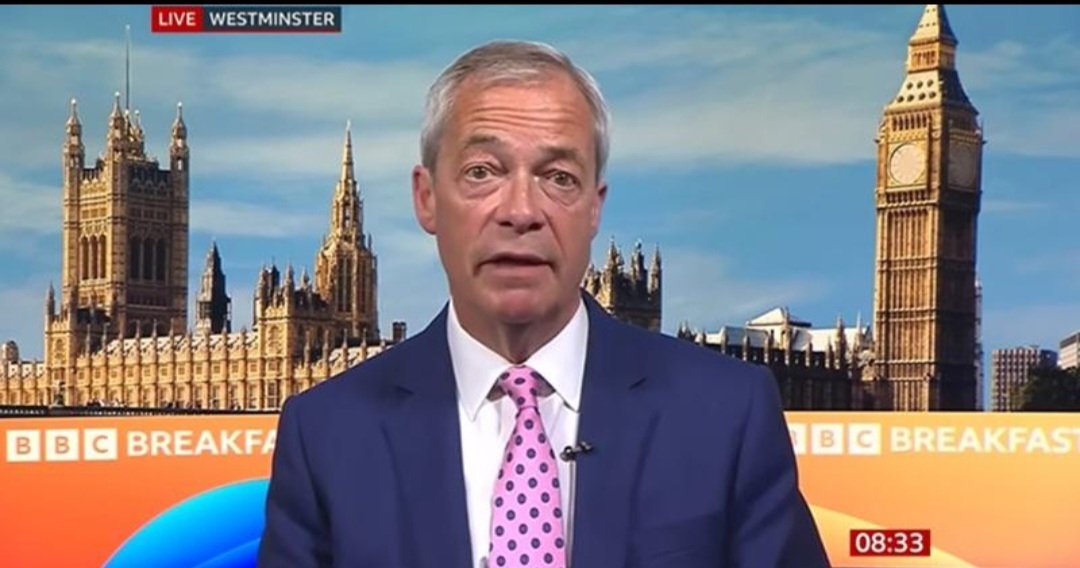
Reform UK leader Nigel Farage has faced questions over whether a social media remark describing Conservative Party leader Kemi Badenoch as a “Nigerian scammer” was racist, after a BBC Breakfast presenter repeatedly challenged him to give a direct answer.
During an interview with presenter Sally Nugent on Tuesday, October 27, Farage was asked about comments posted on X by Raheem Kassam, a former adviser to Farage and a longtime political ally. Kassam had referred to Badenoch as a “Nigerian scammer” while questioning her statements about her Nigerian upbringing, national identity and political ambitions.
Kassam also urged people not to give Badenoch their credit card or bank account details, using language associated with online fraud.
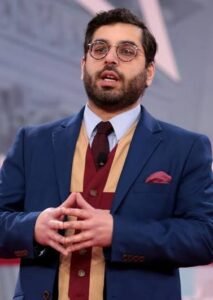
When Nugent asked whether the description was racist, Farage initially highlighted Kassam’s Indian heritage and his location in the United States. The presenter challenged the relevance of his background, asking whether that meant he could not be racist.
Farage subsequently defended the use of the word “scammer”, arguing that it referred to someone who did not tell the truth. He accused Badenoch of misrepresenting aspects of her past but did not provide specific evidence during that exchange to substantiate the accusation.
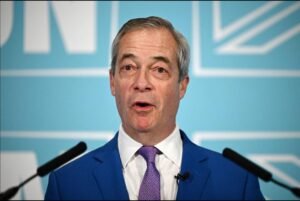
The Reform leader also described the dispute as a cultural argument over whether Badenoch, who grew up in Nigeria, considers herself Nigerian or British.
Pressed again on whether the phrase “Nigerian scammer” was racist, Farage said he did not believe it was, adding that he considered the remark excessive but not intentionally racist.
Nugent also reminded him that Kassam was a close associate and questioned whether the Reform leader was taking the issue seriously. Farage responded that people made all sorts of comments on social media every day.
The exchange has drawn attention to the relationship between Farage and Kassam, who previously served as an adviser in the UK Independence Party (UKIP) and remains a prominent supporter of Reform UK. Reform has said Kassam does not hold a formal role in the party.
Kassam’s comments were criticised by Conservative figures, including party chairman Kevin Hollinrake, who described the remarks as racist. The controversy has also prompted broader debate about the use of national identity and stereotypes in British political discourse.
According to subsequent reporting by The Times, Farage privately told Kassam that the wording was neither clever nor funny. Kassam reportedly accepted the criticism of his choice of words, saying that “con artist” or “liar” would have been better phrasing, while maintaining that his original post was intended as a joke and criticism of Badenoch.
Badenoch, who was born in Wimbledon, London, and grew up partly in Nigeria, has previously spoken about her background and her identity as a British politician. The controversy has placed renewed attention on how her Nigerian upbringing is being used in political attacks against her.
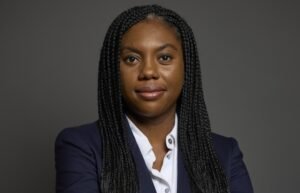
The incident comes as Reform UK faces wider scrutiny over allegations of racist and offensive language involving some party members and activists. Farage has previously said the party would investigate inappropriate conduct, while disputing aspects of reports about its members.
The BBC interview has intensified calls for political leaders to address the language used by their associates, particularly when national origin is invoked in personal attacks. It has also raised questions about the distinction between criticism of a politician’s statements and language that may reinforce stereotypes about a nationality.
Neither the BBC interview nor the public dispute establishes a legal finding of racism. However, the episode has become a fresh test of how British political leaders respond when allies use language that critics regard as racially charged.