
World News
Iran-Israel Conflict Update: US Confirms Four Soldiers Killed as Strikes Continue

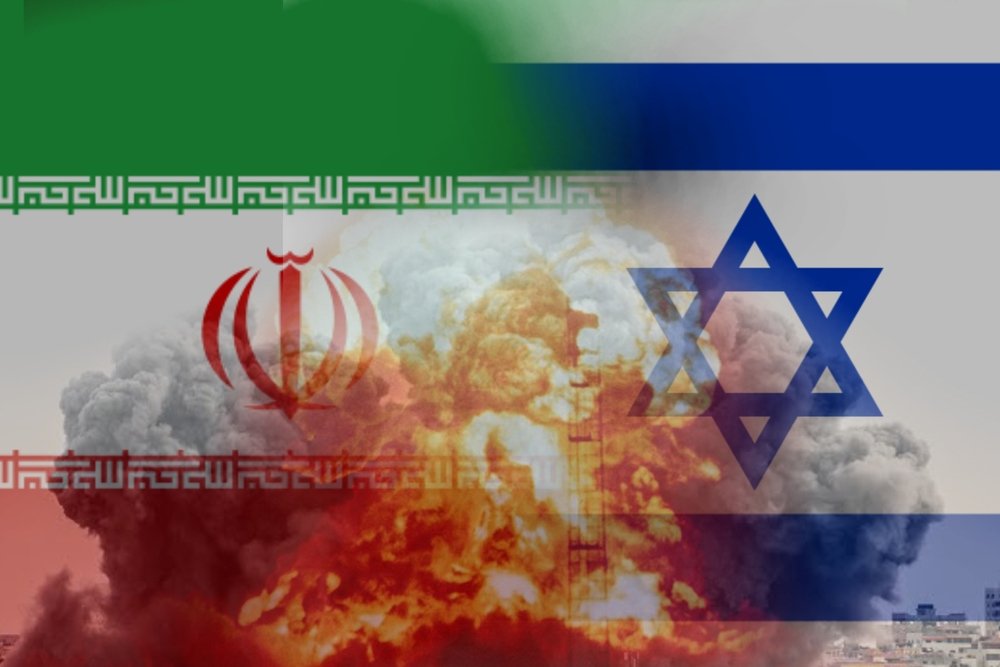
The military conflict between Iran and the US-Israeli alliance has intensified dramatically, with the US military announcing the deaths of four American service members during ongoing attacks on Iran. The announcement came Monday morning as operations continue across the region.
The coordinated attacks over the weekend targeted Iran with what officials describe as massive bombing campaigns against ballistic missile sites and naval assets. In a significant development, reports indicate that Supreme Leader Ayatollah Ali Khamenei has been killed in the attacks, a strike that has fundamentally altered the political landscape of the Islamic Republic.

Defense Secretary Pete Hegseth addressed growing concerns that the US-Israeli strikes could spiral into a protracted regional conflict, stating definitively, “This is not Iraq. This is not endless.” His remarks appeared aimed at reassuring both domestic and international audiences that the military campaign would have defined objectives rather than evolving into another long-term entanglement.
The conflict has already exacted a human toll on American forces, with “several US service members” killed in the Iran operation, according to the US military. The operations have been described as nearly simultaneous, with “three strikes in three locations hitting within a minute” of each other.
Iran and Iranian-backed militias have launched retaliatory strikes, firing missiles at Israel and Arab states that host US military installations. The exchange of fire has prompted a furious Iranian response following the attacks that reportedly killed their supreme leader.
The conflict is already having significant global economic repercussions. Oil prices have surged as the violence threatens supplies from Iran and elsewhere in the Middle East. “The high prices came as US and Israeli attacks on Iran and retaliatory strikes against Israel and US military installations around the Gulf sent disruptions through the global energy supply chain,” according to analysts tracking the market impact.
Air travel across the Middle East has been severely disrupted as multiple countries closed their airspace. The attack on Iran “disrupted flights across the Middle East and beyond as countries around the region closed their airspace,” forcing airlines to reroute or cancel flights.
The political fallout in Washington is already taking shape. The US Congress is preparing to launch a war powers debate over President Donald Trump’s authority to bomb Iran. A congressional aide described the situation as unique, noting the country is “essentially, already at war.”
Key members of Congress are demanding a swift vote on a war powers resolution that would restrain President Trump’s military authority. The political battle comes as the administration continues to coordinate closely with Israel on military operations.
World leaders have responded cautiously to the escalating violence. According to diplomatic sources, “World leaders have urged calm after US and Israeli strikes on Iran raised concerns about whether the violence could spread across the region.” The international community is watching closely as the conflict threatens to draw in additional regional actors.
Iranian forces and their allied militias continue to launch missiles at targets across the region, while the US and Israeli military maintain their bombardment campaign. The situation remains highly volatile with no immediate signs of de-escalation as both sides appear committed to continuing operations.
The coming days will be critical in determining whether this conflict remains contained or spirals into a wider regional war. The death of Supreme Leader Khamenei has created a power vacuum in Tehran that could lead to unpredictable consequences as various factions within Iran’s political and military establishment vie for control.