International
Mandelson Scandal: Former UK Official Speaks Out on Political Pressure

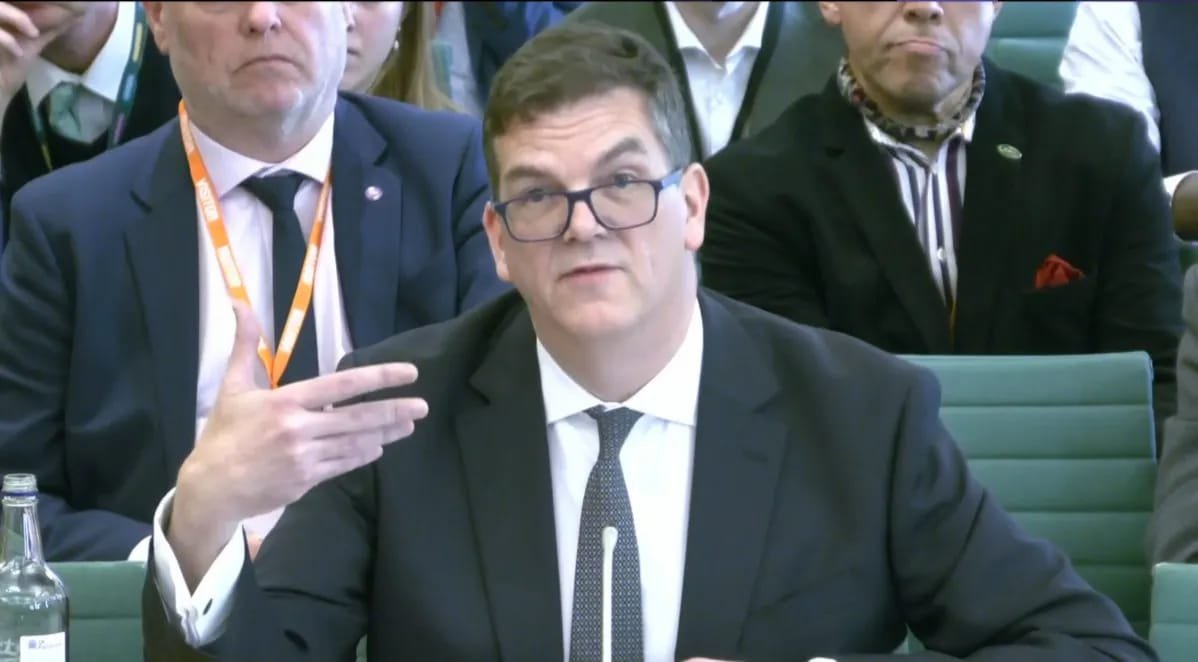
A major political controversy is unfolding in the United Kingdom after a fired senior official claimed he faced intense political pressure to approve the appointment of Peter Mandelson as ambassador to the United States.


The allegation was made by Olly Robbins, the former head of the Foreign, Commonwealth and Development Office, who was dismissed amid the fallout from the controversial appointment. Speaking before a parliamentary committee, Robbins said there was an “atmosphere of pressure” from the office of Prime Minister Keir Starmer to fast-track Mandelson’s approval despite security concerns.
Robbins told lawmakers that he was repeatedly pushed to expedite the vetting process, describing a period of “constant pressure” and urgency from senior government offices to ensure Mandelson took up the diplomatic post quickly.
The controversy stems from revelations that Mandelson’s security clearance had raised red flags, particularly due to his past links to disgraced financier Jeffrey Epstein. Despite these concerns, the appointment was approved, with officials later describing the case as a “borderline” risk.
Prime Minister Starmer has since admitted that appointing Mandelson was a mistake but insists he was not fully informed about the negative vetting advice at the time.
The scandal has triggered political backlash across the UK, with opposition figures and some members of the ruling party questioning the integrity of the appointment process and calling for accountability at the highest levels of government.
Mandelson, once a powerful figure within the Labour Party, was later removed from the ambassadorial role as further details about his past associations emerged, deepening the crisis for Starmer’s administration.
The episode has raised broader concerns about transparency, political interference, and the robustness of security vetting procedures in sensitive diplomatic appointments.