General News
NASS LAMENTS POOR FUNDING OF SECURITY AGENCIES, PLANS TINUBU SHOWDOWN

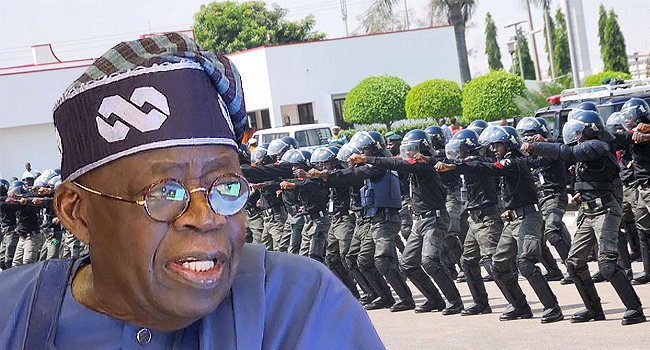
The National Assembly has declared its intention to confront President Bola Ahmed Tinubu over the chronic underfunding of security and intelligence agencies, specifically calling out the failure to release capital allocations in the current financial year.
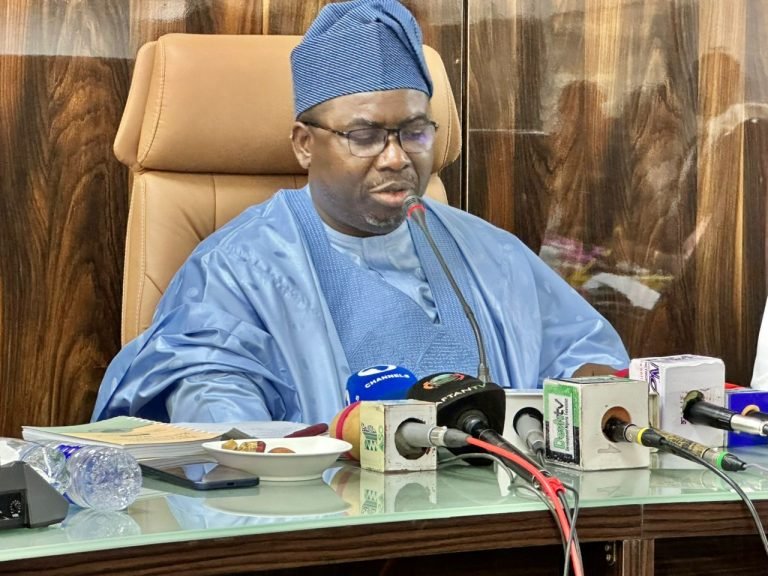
Following high-level discussions with security chiefs, the Chairman of the National Intelligence Committee, Senator Yahaya Abdullahi, revealed that the funding crisis is crippling the operational effectiveness of agencies meant to safeguard the nation. He admitted that while the non-release of funds affects all government ministries and agencies, the impact on national security makes the situation particularly urgent.
Abdullahi stated that the committee would collate reports and propose urgent measures to plug the funding gaps, with a focus on the 2026 budget cycle. He reminded the public that President Tinubu’s declaration of a state of emergency on security must translate into real financial commitment. “President Tinubu had declared that emergency, and therefore, if there is an emergency, there should be funding to back up that emergency. So we will have to come up with a strategy to ensure that the words and declaration of the President does not go out in vain,” he said.
To ensure the matter is taken seriously, Abdullahi disclosed that the leadership of the National Assembly may seek a direct audience with the President. “We will sit down even if it means going through the leadership to meet Mr. President, to take the plight of the security and intelligence agencies into account and report directly to him so that appropriate steps are taken to ensure that the agencies are given enough funds to pursue their constitutional responsibilities,” he added.
Describing 2026 as a make-or-break year for Nigeria’s democratic journey, the lawmaker warned that insufficient funding for security agencies could trigger major disruptions as the nation gears up for general elections. He insisted that without robust financial backing, the electoral process and national peace could be jeopardized.
Senator Abdullahi also launched a blistering critique of the envelope budgeting system, calling it an archaic relic that no longer serves the country’s interests. He traced its origins to the Obasanjo era when oil revenue shortfalls forced temporary fiscal restraints, arguing that it has long outlived its purpose. “This envelope system, you know, was developed years ago, when I was in the civil service. And I think it has outlived its usefulness for me, personally, it is my own opinion. You know, we are not budgeting on needs. We are just budgeting on money, but it’s not the issue of less money, the needs of the institutions and the priorities that we have that we should fund, not just to give people money and say, Okay, go and share,” he said.
He called for a complete overhaul of the budgeting process, advocating for a system driven by national priorities rather than arbitrary financial ceilings. He revealed plans to engage the Ministry of Finance and the Budget Office to push for reforms that reflect current realities.
The committee, according to Abdullahi, has wrapped up its initial assessments and is finalizing reports to be submitted to the Appropriation Committee and National Assembly leadership for further legislative action.