
Opinion
Oil Is Not Enough: Lessons from Norway, UAE, and Saudi Arabia

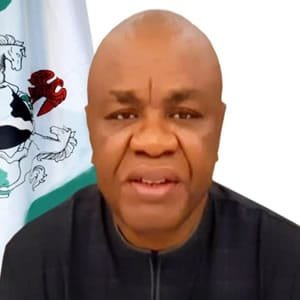
By AVM (RTD) Akugbe Iyamu, MNSA, fsi
Countries blessed with hydrocarbons are often presented with a defining choice: allow oil wealth to create dependency or deploy it as a catalyst for sustainable development. The difference between these two paths is not geology; it is governance.
Norway, Saudi Arabia, and the United Arab Emirates demonstrate that hydrocarbons, when strategically managed, can become instruments of national transformation rather than traps of economic complacency.
When Norway discovered oil in 1969, it quickly established a governance structure rooted in transparency, heavy taxation of petroleum companies up to 78 per cent — and disciplined savings. Rather than overspend during boom cycles, Norway created the Government Pension Fund Global.
Today, that fund stands at roughly $2 trillion, the largest sovereign wealth fund in the world. It represents approximately $356,000 per Norwegian citizen and is invested globally to protect long-term economic stability. Norway understood early that oil was a means to an economic end, not the end itself.
The United Arab Emirates adopted a dual-track strategy: expand production capacity while aggressively diversifying the economy. With plans to increase oil production to five million barrels per day by 2027, the UAE ensures sustained medium-term revenue.
Through its national oil company, ADNOC, the UAE has modernised exploration, adopted artificial intelligence-driven trading platforms, and strengthened midstream infrastructure. Simultaneously, hydrocarbon revenues have funded massive investments in tourism, aviation, logistics, renewable energy, and technology. Oil revenue in the UAE finances transformation rather than dependency.
Saudi Arabia has leveraged its hydrocarbon resources to build one of the world’s most influential energy economies. Through Saudi Aramco, oil has funded industrialisation, domestic power generation, and geopolitical leverage.
Under Vision 2030, the Kingdom is deliberately transitioning from a crude-dependent exporter to a diversified energy and petrochemical powerhouse. Strategic investments in infrastructure, manufacturing, entertainment, and technology are designed to secure long-term resilience beyond oil.
Nigeria, Africa’s largest oil producer with approximately 37 billion barrels in reserves, remains heavily dependent on hydrocarbons, which account for roughly 70 per cent of government revenue. While the country exports crude through 31 terminals and is taking steps toward expanding domestic refining capacity, its hydrocarbon wealth has not yet translated into transformative sovereign wealth accumulation or large-scale economic diversification
Hydrocarbons alone do not create prosperity. Governance does. Vision does. Institutional discipline does. The experiences of Norway, the UAE, and Saudi Arabia demonstrate that resource wealth must be managed with vigour, creativity, innovation, and accountability.
Norway discovered early that oil was an economic building block, not a permanent embrace. Its sovereign wealth framework reflects meritocracy and long-term planning, prioritising competence over primordial considerations.
For resource-rich nations, the lesson is clear: natural endowment is not destiny. The quality of leadership, institutional strength, and strategic foresight ultimately determine whether hydrocarbons become a blessing or a missed opportunity.
AVM (RTD) Akugbe Iyamu, MNSA, fsi
Consultant on Climate Change and Analyst on Environmental Policies
President, Association of Environmental Protection, and Climate Change Practitioners