Entertainment
Zenco, City Boy Movement, and the Politics of Profit
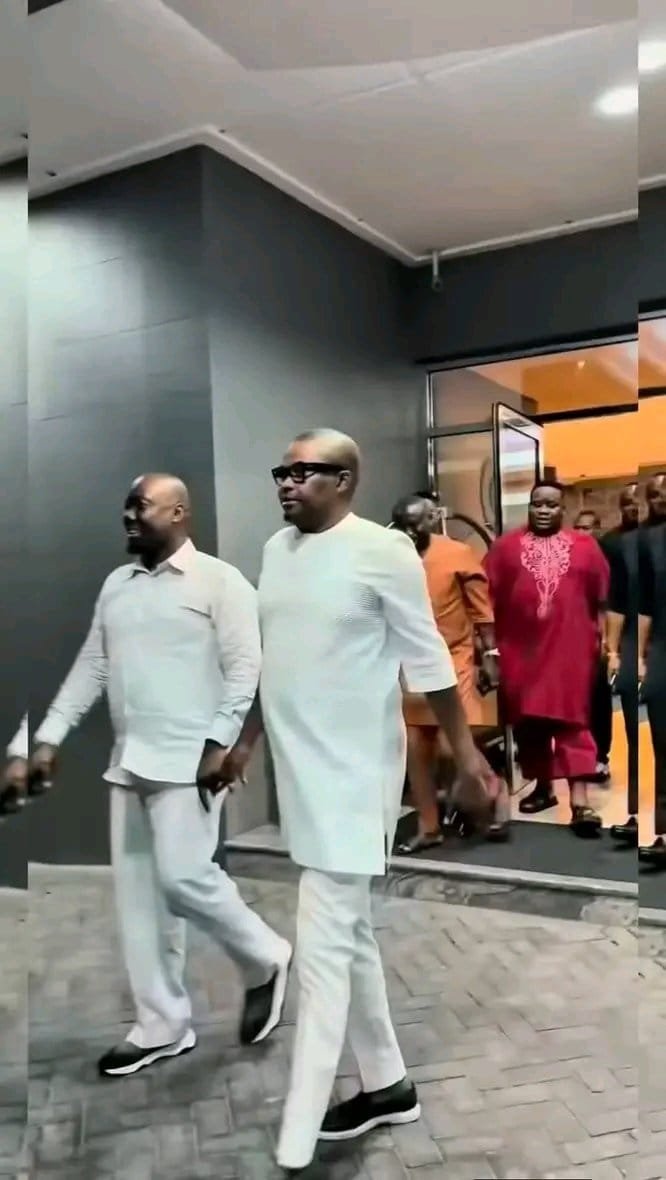
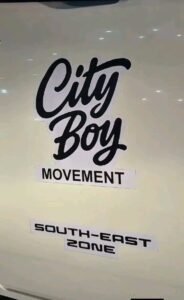
Reports have emerged that billionaire businessman Zenco, alongside other influential Eastern businessmen, has donated millions worth of buses to the City Boy Movement, a youth support group backing President Bola Ahmed Tinubu’s 2027 re-election bid. While framed as grassroots mobilisation, the move has sparked intense debate, particularly in Nigeria’s South-East, where scepticism toward the federal government remains high.
The South-East, dominated by the Igbo, has historically felt sidelined in Nigeria’s federal power structure. The region’s support for Peter Obi in 2023 highlighted a deep desire for political recognition and empowerment. Yet, reports of Eastern businessmen publicly backing Tinubu suggest a shift; a pragmatic alignment with the ruling government, raising questions about motivation.
Observers suggest that in Nigeria, business success is rarely divorced from politics. Contracts, import licenses, regulatory approvals, and federal projects often flow through political channels. Aligning with the ruling party can
offer businesses protection, access, and influence a temptation difficult for any major player to ignore.
The City Boy Movement has become a prominent youth network for pro-Tinubu advocacy. The donation of buses by Zenco and other elites is seen not only as logistical support but also as symbolic influence, signalling to grassroots networks that Eastern businessmen are actively participating in the political project of the current administration.
For many, this raises the question:Are these businessmen acting as community leaders representing Igbo interests, or are they securing political favour to protect and expand their enterprises?
Nigeria’s political economy often blurs the line between public service and private gain. In regions like the South-East, where federal projects are historically limited, political alignment can appear as a strategic move for survival and profit.
Critics argue that by backing Tinubu, these businessmen are prioritising personal and economic interests over the broader aspirations of their people. The optics of billionaires associating themselves with a government viewedscepticallyy by many Eastern citizensfuels concerns that elite endorsement is more about access and contracts than genuine regional empowerment.
While governors and political heavyweights may defend alignment with the federal government as pragmatic, ordinary citizens and youth groups remain wary. Many view these endorsements as detached from the real frustrations of the people, such as insecurity, economic hardship, and marginalisation.
The case of Zenco and the City Boy Movement underscores a wider truth about Nigerian politics: political alignment often functions as currency. For businessmen, proximity to power can dictate whether their enterprises flourish, survive regulatory scrutiny, or gain a competitive edge.
In the South-East, this dynamic creates tension between elite strategy and popular sentiment. While elites may argue that backing the government ensures regional inclusion, grassroots voices worry that such alignment may reinforce systemic inequities rather than challenge them.
The donation of buses to a pro-Tinubu youth movement is more than a headline; it is a lens into the entangled realities of power, business, and politics in Nigeria. For Eastern elites, alignment with the federal government may offer protection, opportunity, and influence. For ordinary citizens, it may appear as a prioritisation of profit over people.
The critical question remains:Are these moves about empowering the South-East or preserving elite advantage? In Nigeria’s political economy, the answer is often both, and the consequences for public trust are profound.
Entertainment
2Face NAMES BURNA BOY NIGERIA’S BEST MUSICIAN, RANKS HIM ABOVE DAVIDO AND WIZKID
Veteran Nigerian singer and songwriter 2Face has weighed in on the long-running debate over who Nigeria’s greatest musician is, naming Burna Boy as his top pick ahead of Davido and Wizkid.
Speaking during a recent interview, 2Face praised Burna Boy’s artistry, consistency, and global influence, describing him as the most complete Nigerian musician of his generation. According to the music veteran, Burna Boy’s ability to blend African sounds with global appeal sets him apart from his peers.
2Face acknowledged the massive impact of Davido and Wizkid on Afrobeats’ global rise, noting that both artists have played critical roles in taking Nigerian music to international audiences. However, he maintained that Burna Boy’s depth, musical evolution, and stage presence give him a slight edge.
The comment has since sparked conversations across social media, reigniting the popular Burna Boy, Davido, and Wizkid debate among fans. While supporters of each artist continue to defend their favourites, 2Face’s opinion adds another high-profile voice to the ongoing discussion about Nigeria’s music hierarchy.
Entertainment
SOUTH AFRICAN SINGER TYLA BEATS DAVIDO, BURNA BOY TO WIN SECOND GRAMMY AWARD
South African singer Tyla has won her second Grammy Award, taking home the Best African Music Performance prize for her hit song Push 2 Start.
The 24-year-old emerged victorious over four other nominees, including Nigerian stars Ayra Starr, Burna Boy, and Davido, as well as Ugandan artist Eddy Kenzo.Tyla previously won the same category in 2024 for her global hit Water, also outperforming several Nigerian artists.
Speaking after her win at the Los Angeles ceremony, she said:”This is insane, this is so insane! I’m just so lucky to be here and I’m so proud to be African.
I’m excited to see more of us over here.”The singer’s triumph quickly became a trending topic on social media, with fans celebrating her achievement.
One X user wrote, “South Africa is proud of you! We are proud of you!” Another added, “While I hoped Ayra Starr would win, Tyla worked hard, you deserve it.”
Nominees for Best African Music Performance:
Love – Burna Boy
With You – Davido featuring Omah Lay
Hope & Love – Eddy Kenzo & Mehran Matin
Gimme Dat – Ayra Starr featuring Wizkid
Push 2 Start – Tyla
Despite Afrobeats’ global popularity, Nigerian fans expressed disappointment that none of their stars won.
Burna Boy was also nominated in the Best Global Music Album category, while Angelique Kidjo received a nod in Best Global Music Performance, but neither took home a Grammy statuette.
One Nigerian artist did receive posthumous recognition: music legend Fela Kuti was honored with a Lifetime Achievement Award, 29 years after his death.
South African comedian Trevor Noah also had a standout night, hosting the Grammy ceremony for the sixth consecutive year.

Entertainment
TINUBU HAILS FELA KUTI AS MUSIC ICON RECEIVES GRAMMY LIFETIME ACHIEVEMENT AWARD
President Bola Ahmed Tinubu has paid glowing tribute to the late Afrobeat pioneer, Fela Anikulapo Kuti, following his posthumous recognition with the Recording Academy of America’s Grammy Lifetime Achievement Award.
In a State House statement, the President described Fela as more than a musician, portraying him as a fearless voice of the people, a philosopher of freedom, and a revolutionary figure whose music challenged injustice and reshaped global sound.
Tinubu noted that Fela’s courage, creativity and conviction defined a generation and continue to inspire audiences across the world.
Drawing from Yoruba mythology, the President said the legendary musician has transcended to a higher spiritual plane, likening him to an Orisa whose legacy has become eternal.
The President said the Grammy Lifetime Achievement Award, which makes Fela the first African to receive the honour posthumously, is a powerful affirmation of his enduring global influence and his foundational role in projecting Africa’s impact on modern music.
According to Tinubu, Fela not only defined Afrobeat but also laid the groundwork for generations of Nigerian musicians, with his influence resonating strongly in contemporary Afrobeats and other global music genres.
“Fela lives,” the President declared.