Opinion
From Washington to Abuja: Are Journalists Becoming Targets of Power?

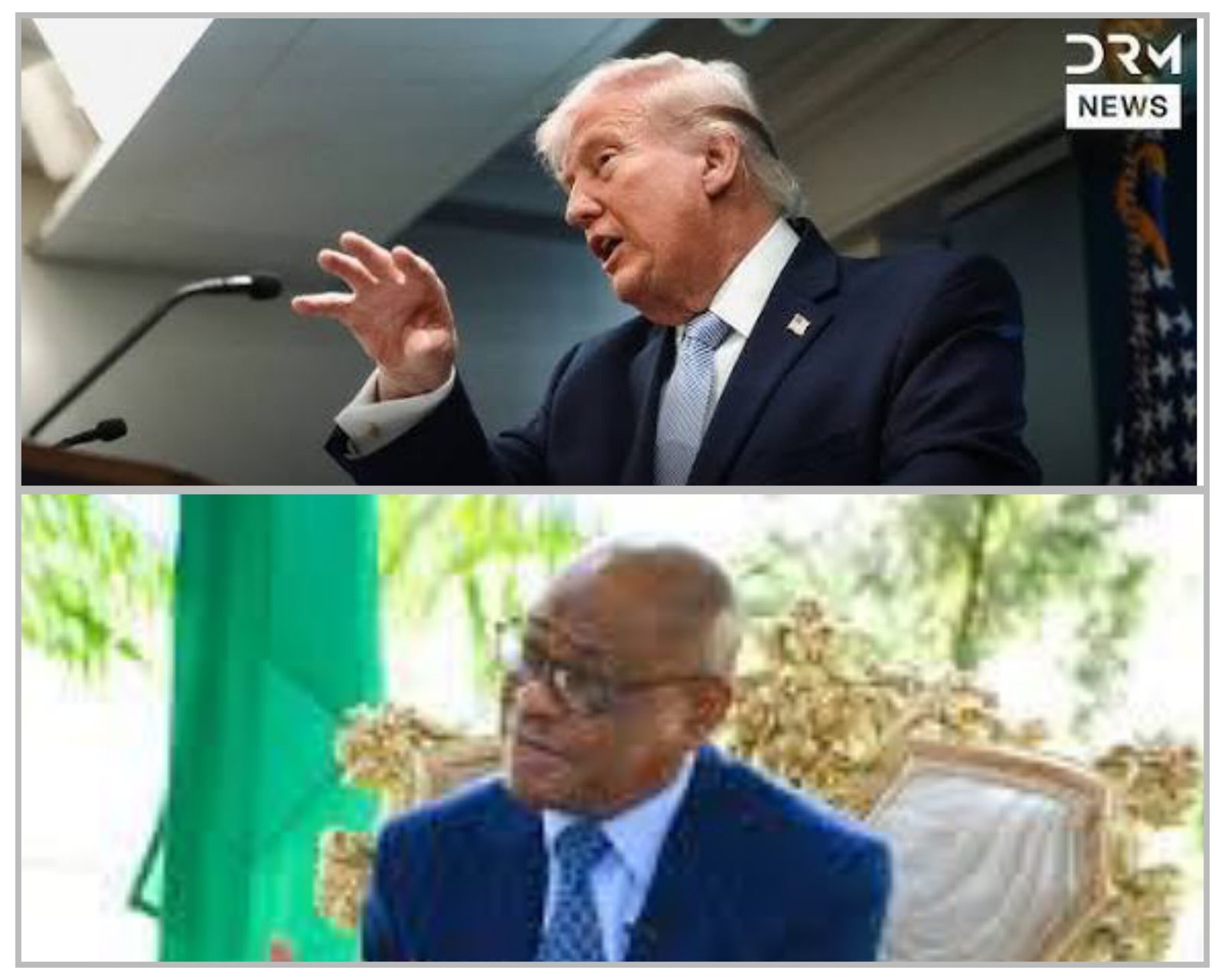
Growing concerns over press freedom are emerging across continents following recent remarks by the U.S. President Donald Trump and Nigeria’s Federal Capital Territory Minister Nyesom Wike, both of whom have come under scrutiny for statements widely interpreted as threats against journalists.
In the United States, Trump sparked backlash after warning that reporters who disclosed sensitive information about a military-related development involving Iran could face legal consequences, including imprisonment. Reacting to the leak, Trump stated that journalists responsible should be compelled to reveal their sources, adding that those who refuse could “go to jail.”
The comments, tied to reports about a covert rescue operation involving an American airman in Iran, have raised alarm among press freedom advocates. Critics argue that such rhetoric undermines long-standing protections for journalists and could have a chilling effect on investigative reporting.
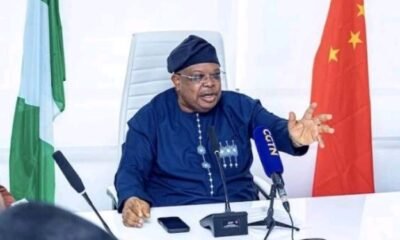
Across the Atlantic, a similar controversy has unfolded in Nigeria. Minister of the Federal Capital Territory, Nyesom Wike, has drawn criticism following remarks directed at a journalist during a tense exchange. Wike reportedly threatened to deal decisively with the journalist, with critics interpreting his words as an attempt to intimidate members of the press.
While the contexts differ, Trump citing national security concerns and Wike reacting to local political scrutiny. The underlying issue remains the same: the relationship between those in power and the media tasked with holding them accountable.
Media rights organizations have long warned that verbal attacks and threats against journalists can escalate into broader restrictions on press freedom. According to global watchdogs, such rhetoric often signals shrinking tolerance for dissent and critical reporting.
The role of the press, often described as the “fourth estate,” is to inform the public, scrutinize authority, and ensure transparency. However, when journalists face threats; whether legal or physical, their ability to perform that role may be compromised.
Analysts note that invoking national security to justify action against journalists is not new, but it remains controversial. In democratic societies, the balance between protecting state secrets and upholding freedom of expression continues to be fiercely debated.
In Nigeria, concerns about press freedom have persisted for years, with journalists occasionally facing harassment, arrests, or intimidation. Wike’s remarks have reignited discussions about the safety of media professionals and the boundaries of political power.
Observers say the parallels between the two incidents, despite occurring in vastly different political environments, highlight a growing global tension between governments and the press.
As these debates continue, one question lingers: if journalists are discouraged or silenced, who will hold those in power accountable?
Because when power speaks, the real question is not whether the press should be silent but whether it can afford to be.