
Tech news
ChatGPT Faces Criminal Scrutiny in Florida Over Campus Attack

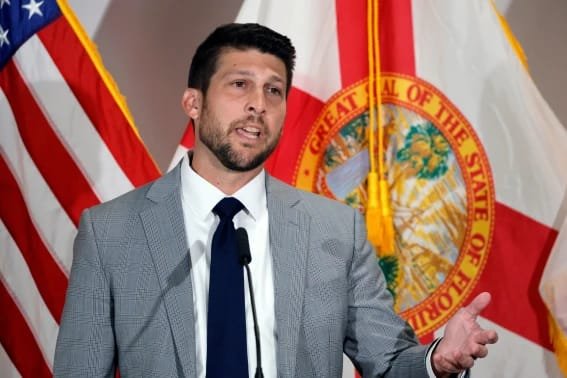
Florida’s Attorney General has opened a criminal investigation into OpenAI’s ChatGPT, examining whether the artificial intelligence chatbot played any role in the deadly Florida State University (FSU) shooting that left multiple people dead and injured last year.
According to multiple reports, Attorney General James Uthmeier announced that state prosecutors are reviewing chat logs between the suspect and ChatGPT to determine whether the AI system provided information that could be interpreted as aiding or encouraging the attack.
Authorities allege that the gunman, identified as Phoenix Ikner, may have interacted with the chatbot before the incident and received responses that included general information on weapons, timing, and tactics. Prosecutors are now assessing whether those interactions could amount to criminal facilitation under Florida law.
Uthmeier stated that if a human had provided similar guidance, it could potentially lead to criminal charges. “If it was a person on the other end of that screen, we would be charging them with murder,” he reportedly said during a briefing.
The investigation marks one of the first major criminal probes in the United States, examining whether an AI company could bear legal responsibility for user actions involving violent crime.
The Florida Office of Statewide Prosecution has also issued subpoenas to OpenAI, requesting internal policies on how the system handles violent prompts and threat detection.
OpenAI, however, has denied wrongdoing, stating that ChatGPT does not encourage or facilitate violence and only generates responses based on publicly available information.
The company added that it has been cooperating with law enforcement and has already provided relevant user data linked to the case.
The FSU shooting, which occurred in 2025, resulted in two deaths and several injuries, sparking renewed debate over campus security, gun access, and now the role of artificial intelligence in potential criminal activity.
Legal analysts say the case could set a precedent for how AI platforms are regulated and held accountable in future criminal investigations.