
Crime
U.S. Supreme Court to Hear Case on Cellphone Data Used to Catch Bank Robber

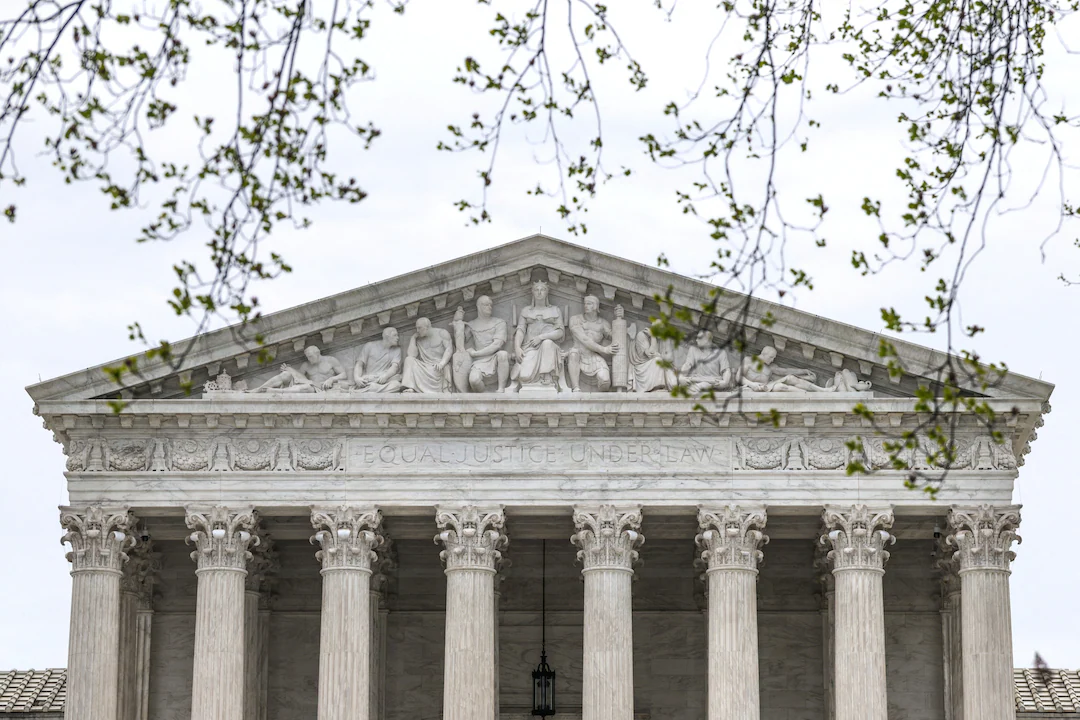
The Supreme Court of the United States is set to hear a major case that could redefine digital privacy rights after a bank robber was identified through his cellphone location data.


The case centres on Okello Chatrie, who robbed a credit union in Virginia in 2019 and initially evaded capture. Investigators later used a controversial surveillance tool known as a “geofence warrant” to obtain location data from Google, identifying devices that were near the crime scene at the time of the robbery. Chatrie’s phone was among those flagged, ultimately leading to his arrest and conviction.

Geofence warrants allow law enforcement to collect anonymized location data from multiple devices within a defined area and timeframe. Critics argue that such warrants sweep up data from innocent bystanders, raising serious concerns about mass surveillance and violations of constitutional rights.
Chatrie’s legal team contends that the use of this data violated the Fourth Amendment, which protects against unreasonable searches and seizures. Although lower courts upheld his conviction, the Supreme Court will now decide whether the technique is lawful in the digital age.
The case is being closely watched as it could set a landmark precedent for how police use emerging technologies in criminal investigations. Legal experts say the ruling may determine the future limits of digital tracking and the balance between privacy and public safety.