General News
Obasanjo Says Nigeria Spends Like a ‘Drunken Sailor’, Warns Debt Crisis Looms

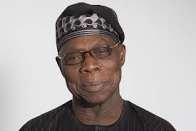
Former President Olusegun Obasanjo has strongly criticised the spending pattern of President Bola Tinubu’s administration, warning that Nigeria is acting like a “drunken sailor” by borrowing and spending recklessly despite inheriting a massive debt burden.
Obasanjo made the remarks during an interview on the programme “Advocate for Good Governance” and in a separate interview aired on NoireTV on May 13, 2026, where he discussed governance, debt management, and the economy. He argued that a government that came into office with the nation already deeply in debt should prioritise financial discipline rather than increasing expenses without restraint.
“Nigeria is already carrying a heavy debt burden, and that should make any responsible government careful with spending,” Obasanjo said. “When a country is in serious debt, the first duty of leadership is to control expenses and manage resources wisely. You cannot keep borrowing without a clear plan on how to repay or how the money will improve the lives of the people”.
The former president used a blunt analogy to describe the current administration’s approach to public funds. “Look, you come in as a government, a government that is deep in debt. And then you are spending money like a drunken sailor. So what do you expect?” he asked during the NoireTV interview.
He further likened national financial management to personal responsibility, questioning how a country could justify borrowing just to sustain daily operations while devoting most of its revenue to debt repayment. “If you have to earn money and you have to borrow money to eat, because you are using the money you earn to pay debt, then something is wrong in your life,” Obasanjo said. “And the same thing, if we are earning and we are spending 95, 90, 95% of our earning to service debt, then something is basically wrong”.
Obasanjo, who famously secured an $18 billion debt write-off from the Paris Club for Nigeria in 2005 and left office with external debt reduced from $28 billion to just over $2 billion, warned that the country may not receive a second chance from international creditors. “With the level of mismanagement of the previous debts written off for the country, it will be almost impossible for any administration to get a similar gesture in the continent,” he cautioned.
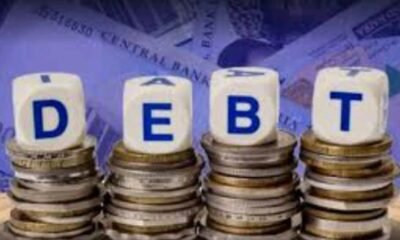
According to the Debt Management Office, Nigeria’s total public debt stood at ₦159.28 trillion as of December 31, 2025. The 2026 federal budget is set at ₦58.47 trillion, with projected revenue of only ₦33.19 trillion, leaving a deficit of over ₦25.91 trillion to be covered entirely by borrowing . Nearly half of projected revenue, approximately ₦15.9 trillion, is immediately committed to servicing existing debt.
Obasanjo warned that continued reckless spending could create more economic problems and place an unbearable burden on future generations. “The impact of poor financial decisions today will be carried by future generations. Leadership is about accountability, especially when the economy is under pressure. Loans should be tied to real development, not just routine spending that brings no clear benefit,” he said.
The former president also addressed the government’s economic reforms, including fuel subsidy removal and exchange rate unification. While acknowledging that subsidy removal was necessary, he questioned the execution. “Subsidy has to go, but what study have you done before you wake up and just say, ‘no more subsidy’?” Obasanjo asked. He argued that reforms of such scale require careful planning, proper assessment of costs and benefits, and clear communication to prevent avoidable hardship.
Obasanjo’s criticism has sparked national debate about government spending amid persistent economic hardship, with many Nigerians expressing frustration over what they see as a disconnect between official austerity messaging and visible government expenditure. His warning carries particular weight given his personal history of successfully negotiating debt relief for the nation.