
Aviation
Airline Ticket Prices Set to Stay High Despite Fuel Relief From Iran Deal

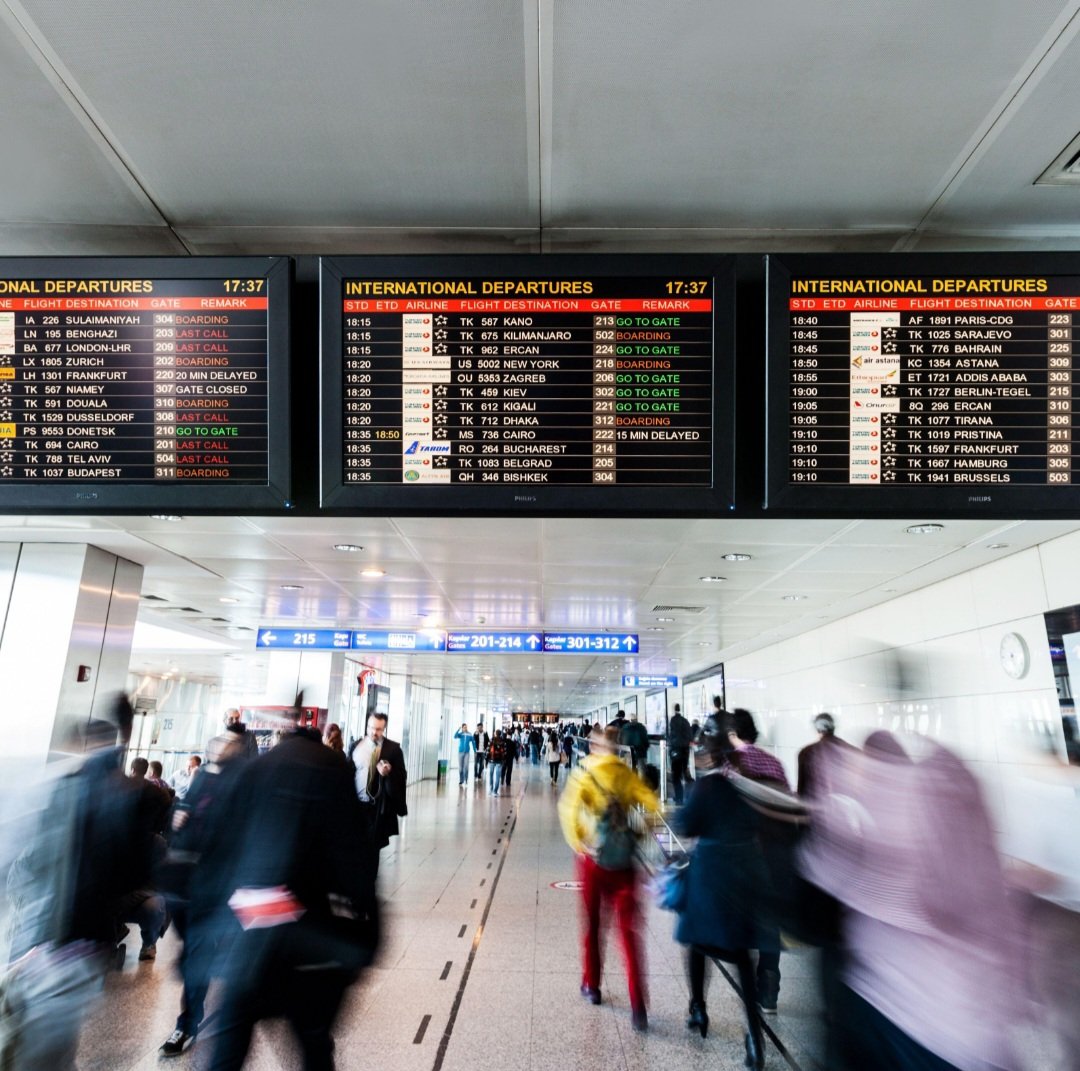
Airline passengers are unlikely to see immediate relief in ticket prices despite a decline in jet fuel costs following a U.S.-Iran diplomatic deal that has eased tensions in global energy markets.


Industry data shows that jet fuel prices have dropped significantly in recent weeks after fears of supply disruptions through the Strait of Hormuz began to ease. The fall in fuel costs is expected to reduce operating expenses for major global carriers, potentially saving airlines billions annually.

However, airlines are not expected to pass those savings on to consumers in the short term. Instead, carriers are focusing on restoring profit margins after months of elevated fuel expenses, while maintaining relatively high fares supported by strong travel demand and limited seat capacity.
Analysts say airlines often adjust ticket prices slowly even when fuel costs fall, partly due to long-term hedging contracts and pricing strategies that prioritize revenue stability. This means passengers may not immediately benefit from lower input costs.

The International Air Transport Association has previously noted that jet fuel typically accounts for a large share of airline operating expenses, making it a key driver of fare movements. However, airlines also factor in demand strength, competition levels, and capacity constraints when setting prices.
Recent industry performance reports from major carriers such as Delta Air Lines, United Airlines, and American Airlines indicate that passenger demand remains robust, particularly for international and premium travel segments. This has reduced pressure on airlines to cut fares even as fuel costs ease.

Some airlines are also still working through earlier periods of high fuel prices, meaning the benefits of cheaper oil may take time to fully reflect in pricing structures. Industry analysts expect any meaningful fare reductions, if they occur at all, to be gradual and route-dependent.
In Europe and parts of Asia, carriers facing tighter capacity and ongoing operational constraints are also unlikely to engage in aggressive price competition in the near term. Budget airlines may pass on limited savings selectively, but broad fare reductions are not expected.

For now, aviation experts say the outlook for travelers remains one of price stability at elevated levels rather than significant fare drops, even as geopolitical developments ease pressure on global energy markets.