
Politics
NDC Accuses Tinubu of Fiscal Mismanagement as Debt Interest Hits ₦7.7trn

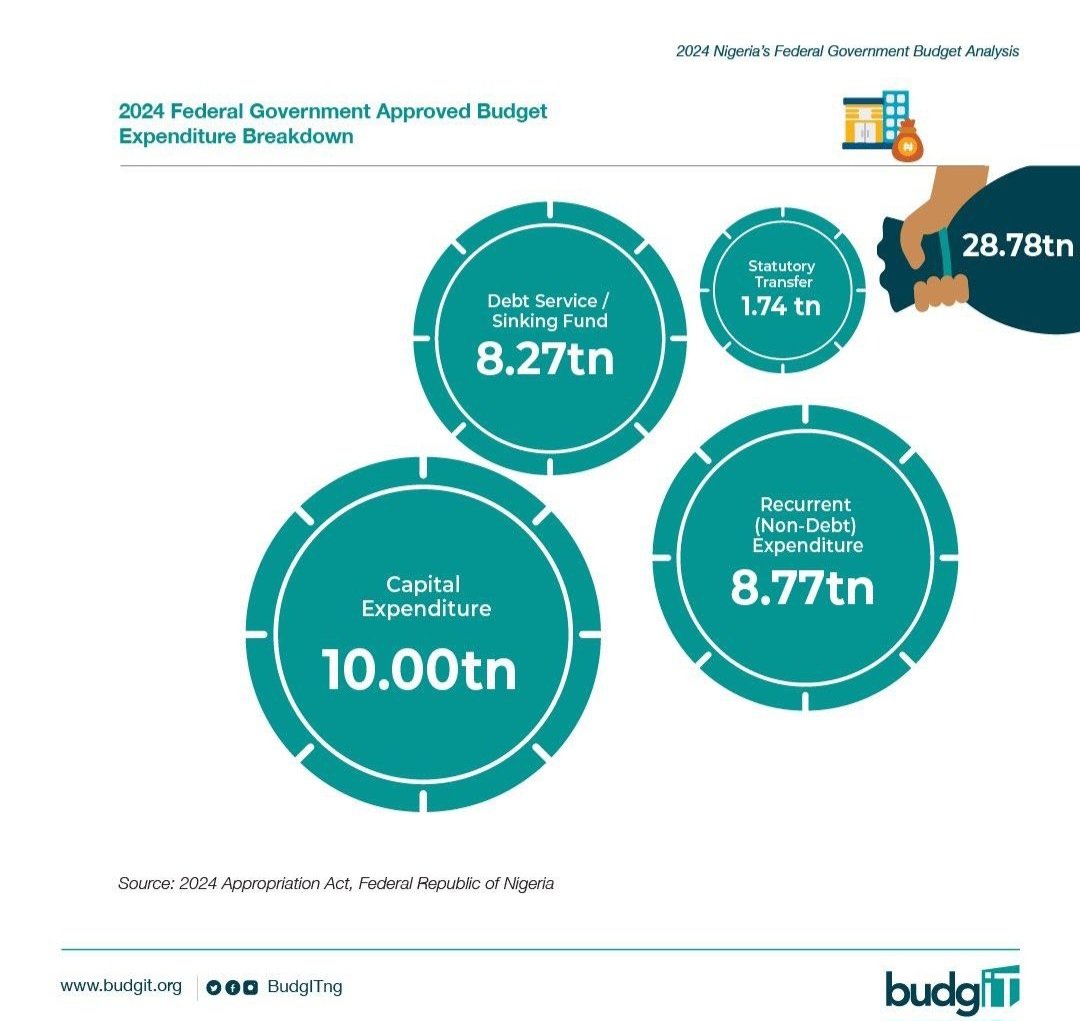
The Nigeria Democratic Congress (NDC) has accused President Bola Tinubu’s administration of worsening Nigeria’s fiscal challenges, following a World Bank report indicating that federal government interest payments on debt exceeded its revenue in the first half of 2026.
The party said Nigeria spent ₦7.7 trillion on debt interest payments between January and June 2026, while federal revenue stood at ₦6.2 trillion, representing approximately 124.19 per cent of the revenue generated during the period.
The NDC National Campaign Council spokesperson, Dr Chiogo Constance Ikokwu, made the allegation in a statement issued on Monday, November 16, 2026, describing the situation as “fiscal suicide” under the Tinubu administration.
According to the party, the figures contained in the World Bank’s 2026 Nigeria Development Update raise serious concerns about the country’s debt sustainability and the government’s spending priorities.
The World Bank report, titled Beyond the Federal Purse: How Higher Revenues Reshaped State Priorities, showed that interest payments increased from ₦5.6 trillion in the first half of 2025 to ₦7.7 trillion in the corresponding period of 2026.
Although federal revenue also increased from ₦3.6 trillion to ₦6.2 trillion, the NDC argued that the rising cost of servicing debt continued to place considerable pressure on public finances.
The party further drew attention to the decline in capital expenditure, which reportedly fell to ₦700 billion, representing 0.3 per cent of GDP, from 1.0 per cent in the corresponding period of the previous year.
It argued that the government was spending significantly more on debt interest than on infrastructure and other development projects, leaving critical sectors such as healthcare, education and transportation underfunded.
The NDC also criticised the administration’s borrowing strategy, arguing that increased government revenue had not translated into sufficient improvements in the living conditions of Nigerians.
Referencing Labour Party’s former presidential candidate, Peter Obi, the party asked where the country’s resources were going despite the removal of fuel subsidy and continued borrowing.
The party called for an immediate halt to what it described as reckless domestic borrowing, a comprehensive debt audit and restructuring plan, and a shift in spending priorities towards infrastructure and human development.
It also demanded that government overhead costs be redirected towards productive sectors, including healthcare, education and infrastructure.
However, the Federal Government has previously challenged the interpretation of the World Bank’s debt-interest-to-revenue figures.
In October, the Finance Ministry argued that comparing federal interest payments with federal revenue alone could overstate the country’s debt burden because some debt obligations and revenue sources were not captured within that calculation. It also pointed to the timing of government revenue collections.
The NDC, meanwhile, said the country’s fiscal direction required urgent attention ahead of the 2027 general elections.
The party expressed confidence in the proposed Obi/Kwankwaso ticket, saying it would prioritise productivity, fiscal discipline and sustainable economic growth if elected.
It maintained that public resources should be directed towards improving the economy and the welfare of Nigerians rather than being consumed by rising debt obligations.