
Climate Change
Anosike Calls for AI Integration to Strengthen Nigeria’s Climate Resilience

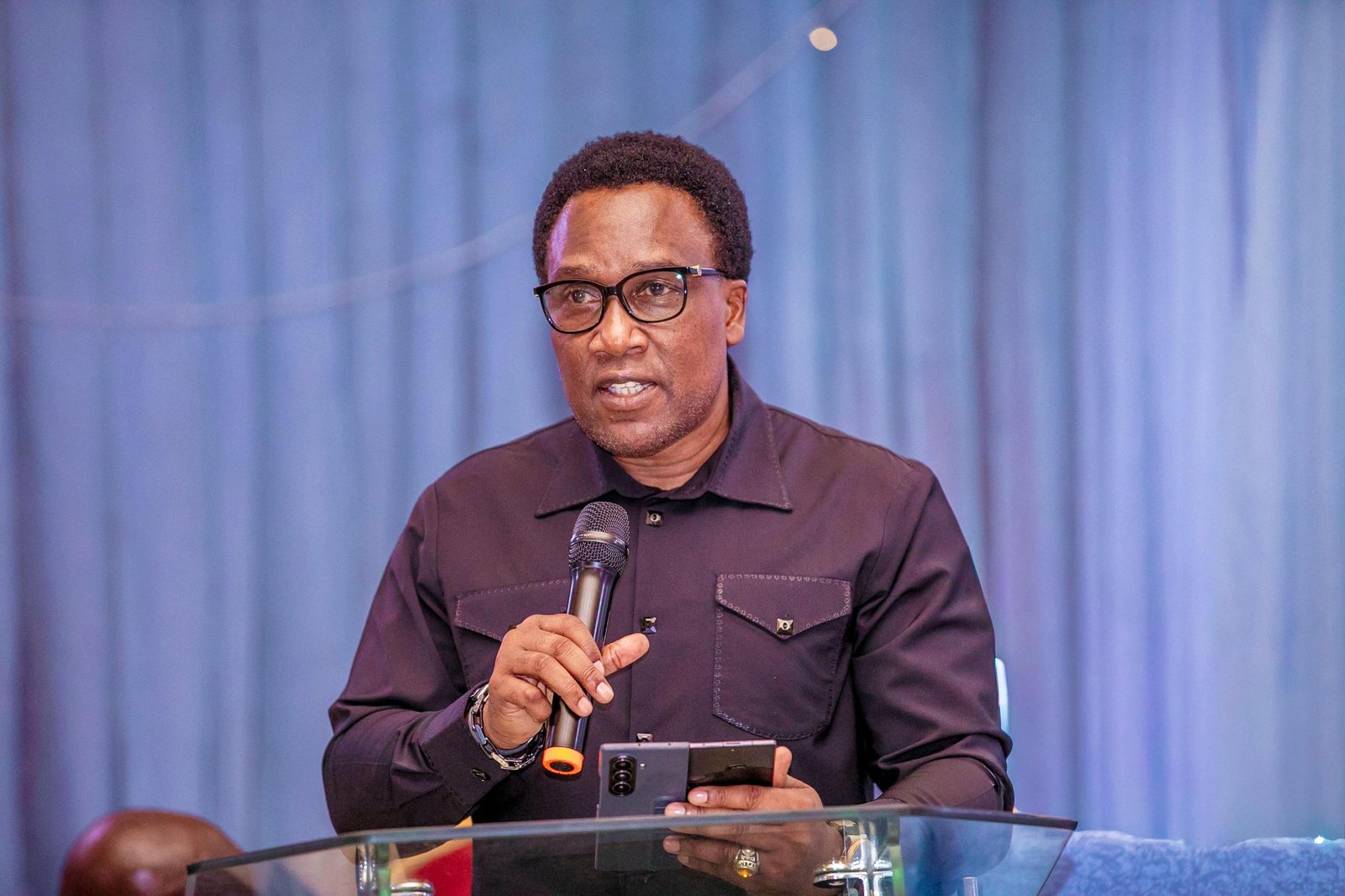
The Director General of the Nigerian Meteorological Agency (NiMet), Charles Anosike, has emphasised the need for Nigeria to embrace artificial intelligence and other advanced technologies to effectively tackle growing climate risks.
Anosike spoke at the 2026 International Conference of the Nigerian Meteorological Society (NMetS), held at the University of Lagos, where experts gathered for the Society’s 35th Annual General Meeting.
Addressing participants on the theme, “Advancing Meteorology: Harnessing AI, Satellites, and Big Data for Climate Resilience and Sustainability,” the NiMet boss described climate change as an urgent and evolving crisis already impacting lives and economies.
He cited increasing cases of extreme weather conditions such as floods, droughts, heatwaves, and unpredictable rainfall patterns, noting that Africa remains particularly vulnerable to these changes.
Highlighting Nigeria’s situation, Anosike pointed to persistent challenges including desertification in northern regions, coastal erosion in the south, and rising temperature extremes across the country.
He stressed that addressing these threats requires a shift from traditional forecasting systems to modern, data-driven approaches powered by artificial intelligence, satellite technology, and big data analytics.
According to him, NiMet is already leveraging AI-driven models combined with satellite observations and high-performance computing to improve the precision and timeliness of weather forecasts.
He added that the agency has strengthened its technological base through partnerships with global organisations such as AIM for Scale, Ignitia, Tomorrow.io, the Korean Meteorological Authority, and the China Meteorological Administration.
Anosike further highlighted the impact of NiMet’s Digital Climate Advisory Service, which provides farmers with real-time weather guidance to support climate-smart agriculture and improve productivity.
He called for stronger collaboration among scientists, policymakers, and private sector players to enhance climate monitoring systems and expand access to critical weather information.
The NiMet DG also urged the Nigerian Meteorological Society to invest in mentoring young professionals and promoting ethical research, while working to bridge the gap between scientific findings and policy decisions.
He noted that such efforts are in line with the United Nations’ Early Warnings for All initiative aimed at ensuring that communities have access to timely and life-saving climate information.
Anosike reaffirmed NiMet’s commitment to deploying cutting-edge technology to improve climate resilience across Nigeria.
He was later honoured with a fellowship and commendation award in recognition of his contributions to meteorological development and services.