International
Ceasefire Tensions Rise as Israel Strikes Lebanon, Iran Hits Gulf Targets

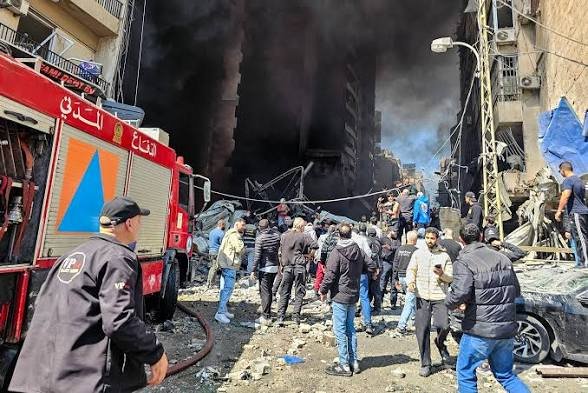
A fragile ceasefire between the United States and Iran has sparked fresh anxiety across the Middle East, as renewed violence in Lebanon and missile strikes on Gulf nations threaten to derail diplomatic efforts.
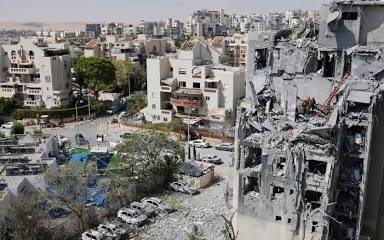
The truce, announced by U.S. President Donald Trump late Tuesday, initially lifted global markets and raised hopes of de-escalation. However, optimism quickly faded as Israel launched what sources described as its most intense airstrikes yet on Lebanon, sending plumes of smoke over Beirut and causing significant casualties.
Lebanese authorities reported dozens killed and hundreds injured, with residents alleging that some strikes came without prior warning.
At the same time, Iran continued its military operations beyond its borders. Missile and drone attacks were reported in Kuwait, United Arab Emirates, and Bahrain, targeting critical oil and energy infrastructure. Tehran also struck Saudi Arabia’s key East-West oil pipeline, underscoring the region’s vulnerability despite the ceasefire.
Iranian officials warned that continued Israeli attacks on Lebanon could prompt Tehran to withdraw from the agreement entirely.
Talks Shift to Pakistan
Diplomatic efforts are now turning toward Pakistan, where Prime Minister Shehbaz Sharif has invited both U.S. and Iranian delegations for talks in Islamabad. Iran has confirmed participation, with its team expected to be led by parliamentary speaker Mohammad Baqer Qalibaf and Foreign Minister Abbas Araqchi.
While Trump indicated that negotiations would begin soon, uncertainty remains over U.S. representation, with Vice President JD Vance possibly absent due to security concerns.
Markets React, But Risks Persist
Global financial markets initially rallied on news of the truce. Oil prices, which had surged during the conflict, dropped sharply, while U.S. stocks climbed to near one-month highs. Still, analysts warn that the ceasefire’s durability remains in doubt.
A key flashpoint remains the Strait of Hormuz, which is still closed. Iran signaled it may reopen the vital waterway ahead of talks, but only under strict conditions.
War Claims and Unresolved Issues
Despite both sides claiming victory, core disputes remain unresolved. The U.S. insists Iran must abandon uranium enrichment, while Tehran maintains its nuclear program and regional influence.
U.S. Defense Secretary Pete Hegseth said Iran’s missile capabilities had been significantly weakened. However, Iran continues to demonstrate its ability to strike regional targets and disrupt global energy flows.
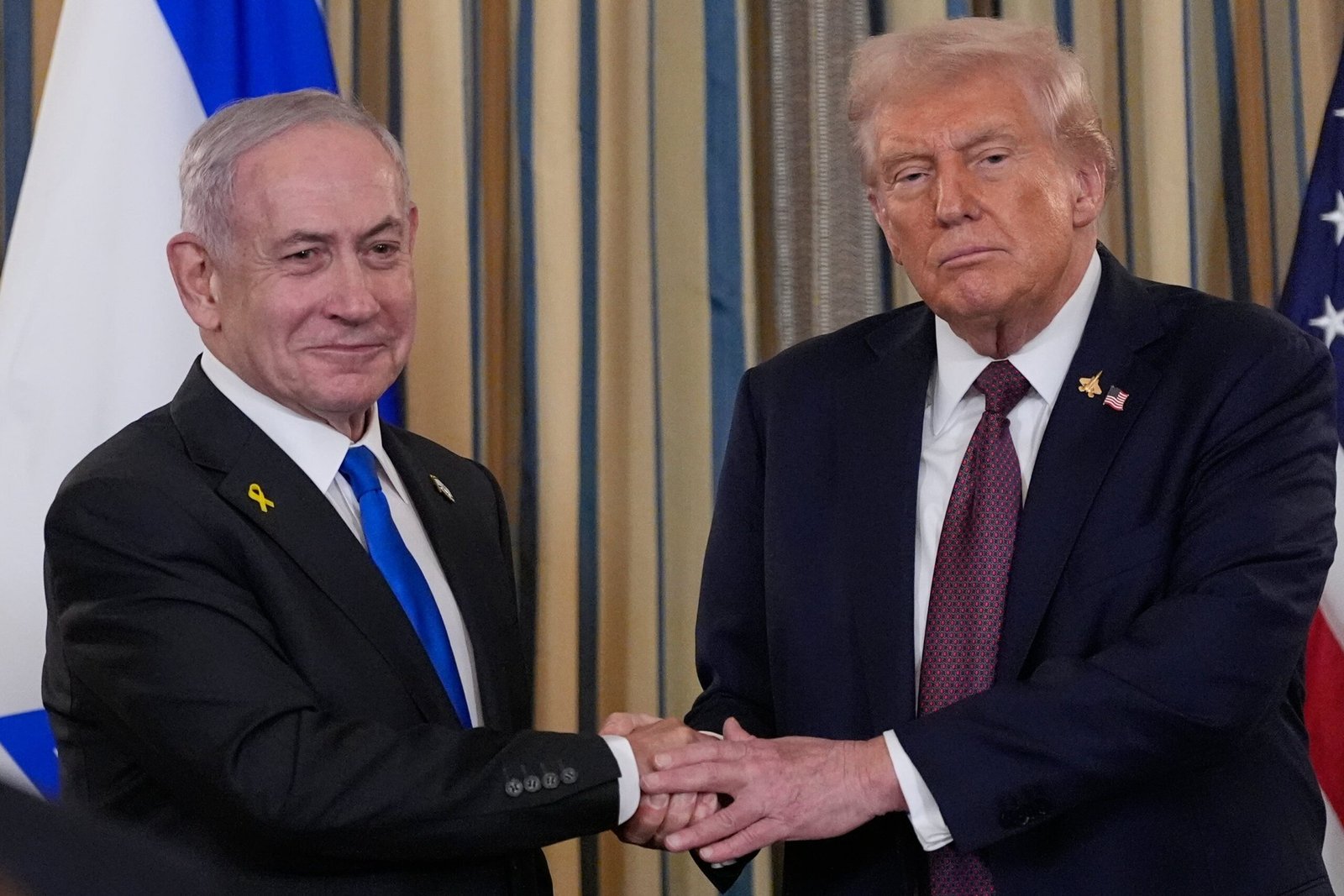
The conflict, launched in late February by Trump and Israeli Prime Minister Benjamin Netanyahu, aimed to curb Iran’s nuclear ambitions and regional power. Yet, Iran’s leadership remains intact, and its strategic position particularly its control over key routes appears largely unshaken.
As diplomatic talks loom, the situation remains volatile, with the risk that continued hostilities especially in Lebanon could collapse the ceasefire and reignite full-scale conflict across the region.