World News
CUBA BRACES FOR FUEL SHORTAGES AFTER U.S. MOVES TO BLOCK OIL SUPPLY

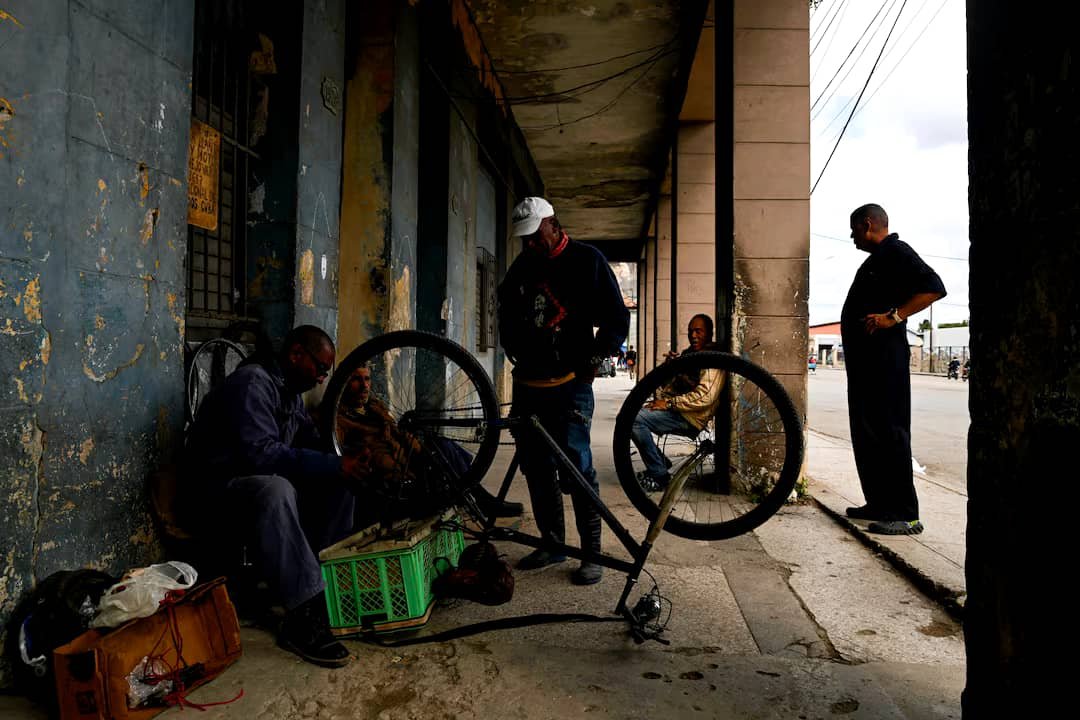
Cuba has announced sweeping fuel-rationing measures aimed at protecting essential services after the United States signalled plans to choke off oil supplies to the island.
Government officials on Friday outlined a broad emergency strategy to shield critical sectors of the economy as Washington escalates pressure on Havana. The move comes days after the U.S. President Donald Trump warned that countries supplying fuel to Cuba could face tariffs on goods exported to the United States, a threat that could further strain an island already battling shortages of food, medicine, and energy.
Under the new plan, fuel will be reserved for the priority sector, including agriculture, healthcare, education, water supply, national defence, and transportation infrastructure. Authorities say the goal is to keep the country functioning while limiting the impact on everyday life.
Commerce Minister Oscar Pérez-Oliva struck a defiant tone while unveiling the measures, insisting the country would not buckle under external pressure.
“This is both an opportunity and a challenge, and we are confident we will overcome it,” Pérez-Oliva said during a televised address. “We are not going to collapse.”
Tourism and export industries; key sources of foreign currency will continue receiving fuel, including sectors linked to Cuba’s famed cigar production. Pérez-Oliva said maintaining these industries was critical to funding basic services across the country.
“If we don’t generate income, we won’t be able to overcome this situation,” he said.
Authorities said domestic and international flights will not be immediately affected, though fuel purchases for private drivers will be reduced until supplies stabilize. Ports and domestic transport systems will also receive protected fuel allocations to prevent disruptions to imports and exports.
In agriculture, the government announced plans to plant 200,000 hectares of rice in a bid to meet a significant portion of national demand. However, officials admitted fuel shortages would force greater reliance on renewable energy for irrigation and even animal power for land preparation.
Education Minister Naima Ariatne said infant-carecentress and primary schools will remain open and fully in person. Secondary schools and universities, however, will adopt hybrid learning systems depending on local conditions and resource availability.
“Our priority is to keep primary schools open,” Ariatne said, noting that flexibility would be required at higher levels of education.
Health officials said medical services will be safeguarded, with emergency care, maternity wards, and cancer treatment programs receiving top priority as fuel supplies tighten.
The Cuban government framed the measures as necessary to withstand what it describes as renewed economic pressure from Washington, while signalling that austerity not surrender will define its response.