
General News
DANGOTE REFINERY REITERATES COMMITMENT TO STEADY FUEL SUPPLY, DEFENDS TARIFF POLICY


Dangote Petroleum Refinery has reaffirmed its dedication to ensuring a consistent and uninterrupted supply of Premium Motor Spirit (petrol) and Automotive Gas Oil (diesel) across Nigeria, emphasizing that local production has played a crucial role in stabilizing and strengthening the national currency, the Naira. Anthony Chiejina, Group Chief Branding and Communications Officer of Dangote Industries Limited, stated over the weekend that the refinery’s operations have significantly reduced foreign exchange outflows while boosting inflows, thereby supporting economic resilience.
“We have reduced foreign exchange outflows and increased inflows, which in turn supports the Naira and strengthens the economy,” Chiejina said in a formal statement. He revealed that the refinery is currently loading over 45 million litres of petrol and 25 million litres of diesel daily, exceeding Nigeria’s domestic demand. “We are working collaboratively with regulatory agencies and distribution partners to guarantee efficient nationwide delivery. Dangote remains steadfast in its commitment to meeting the energy needs of Nigerians. This significant production capacity not only guarantees local supply but also enhances energy security and reduces dependence on imports.”
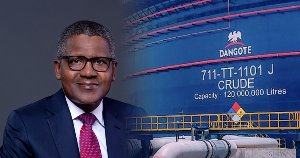
Chiejina addressed recent criticisms of the refinery’s tariff, describing it as a necessary measure to protect domestic industries from unfair competition. “It would be unpatriotic for anyone to criticise the tariff,” he asserted, noting that the policy is designed to prevent dumping, which he said undermines local production. “Dumping engenders poverty, discourages industrialization, creates unemployment and leads to revenue loss for the government. Across the world, nations protect their local manufacturers and industries from the threat of dumping. Dumping destroyed our textile industry, which was once a major employer of labour and creator of wealth.”
He called for strengthened government monitoring and enforcement to curb the influx of substandard petroleum products by unscrupulous actors. “Beyond the tariff, the government should strengthen its monitoring and enforcement mechanisms to prevent the dumping of substandard and toxic petroleum products by unscrupulous and rent-seeking individuals who prioritize profiteering at the expense of Nigerians, often undermining the government’s well-intentioned policies for their selfish interests.”
According to Chiejina, past dumping practices deterred investment in Nigeria, but the new tariff policy will foster growth in the downstream oil sector. “The prevalence of dumping in past years discouraged investors from establishing industries in Nigeria, because imported products flooded the market at unsustainable prices, undermining local production.” He commended President Bola Ahmed Tinubu for approving the tariff, saying it reflects the administration’s commitment to a business-friendly environment and energy security.
Chiejina warned that without such protections, Nigeria could face large-scale dumping from Asia and Europe, which would harm domestic refineries and allied industries. “Failure to protect local industries could lead to large-scale dumping from countries in Asia and Europe with excess production capacity. Such practices would strangulate domestic refineries, cripple allied industries, and undermine the laudable policies of President Bola Tinubu’s administration aimed at promoting industrial growth and economic stability.” He stressed the need for patriotism and collective responsibility among stakeholders to support policies that strengthen the economy.
The refinery, equipped with advanced technology and extensive infrastructure, is expected to eliminate reliance on fuel imports, stabilize supply chains, and ease pressure on foreign exchange reserves. Recently, Aliko Dangote, President of Dangote Industries Limited, assured Nigerians that petrol prices would not be increased during the ember months, despite global price surges. “I want to assure Nigerians that the Dangote Refinery is fully committed to maintaining an uninterrupted supply of petrol throughout the festive period. Nigerians can look forward to a Christmas and New Year free of fuel anxiety.”
Since commencing petrol production in September 2024, the refinery has contributed to price stability and reduced costs, alleviating market burdens and eliminating recurrent fuel shortages and long queues at filling stations. Chiejina highlighted that petrol is more affordable in Nigeria compared to neighboring West African countries, where prices range from $1.20 to $2.00 per litre, against an average of $0.60 per litre in Nigeria, showcasing the refinery’s impact on affordability and supply stability.
In a recent media briefing, Dangote disclosed that the company aims to achieve $55 billion in annual revenue from the refinery, which plans to expand production from 650,000 barrels per day to 1.4 million barrels per day, solidifying its status as the world’s largest single-train refinery. The $20 billion facility is among several private refineries licensed by the Nigerian government after state-owned refineries became non-operational, leading to domestic shortages and economic challenges.


General News
Alue-Do Festival Assault: First Lady Oluremi Tinubu Condemns Attack on Women, Calls for Justice

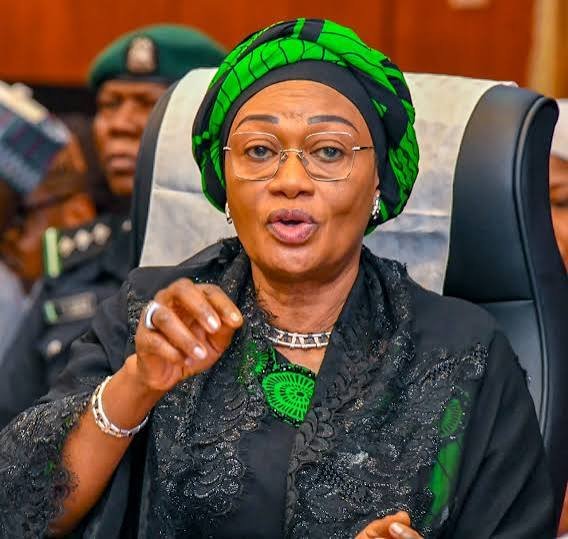
The First Lady of Nigeria, Oluremi Tinubu, has strongly condemned the reported assault of women and girls during the Alue-Do Festival in Ozoro, Delta State, describing the incident as “horrific” and unacceptable.
Reacting to viral footage from Ozoro, the First Lady expressed outrage over scenes showing young girls being physically and sexually assaulted, as well as subjected to degrading treatment during what was meant to be a cultural celebration.
While acknowledging Nigeria’s rich cultural diversity, Mrs. Tinubu stressed that no tradition or custom should be used as justification for violating the dignity and rights of women and girls.
She commended the efforts of the Nigeria Police Force for making arrests in connection with the incident and urged authorities to ensure that all perpetrators are brought to justice.
The First Lady also called on victims to seek immediate medical and psychological support, offering prayers for their healing, peace, and strength in the aftermath of the ordeal.
The incident has sparked widespread concern and renewed calls for stricter measures to protect women and girls during cultural and public events across the country.
General News
World Water Day 2026: Oluremi Tinubu Calls for Gender Equity Through Improved Water Access
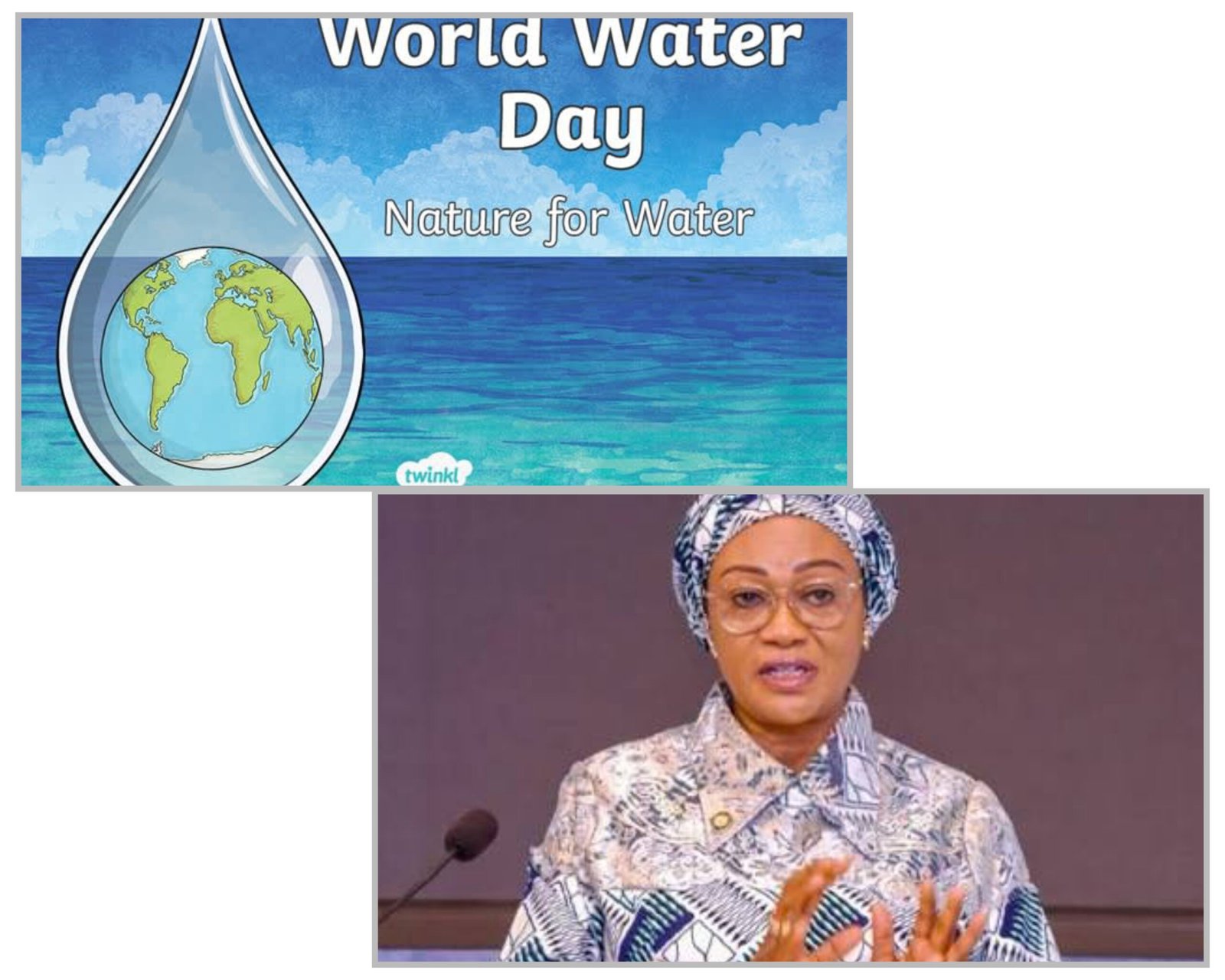
The First Lady of Nigeria, Oluremi Tinubu, has called for collective action to promote gender equality through improved access to water and sanitation, as the world marks World Water Day 2026.
In a message commemorating the day, Senator Tinubu highlighted this year’s theme, “Water and Gender,” alongside the campaign slogan, “Where Water Flows, Equality Grows,” emphasizing the strong link between water access and gender equity.
She noted that in many communities, women and girls bear the burden of sourcing water, often trekking long distances to streams, a situation that negatively impacts their education, health, and economic opportunities.
“When we ensure safe, clean, and accessible water, we do more than quench thirst; we open doors for girls to stay in school, for women to pursue livelihoods, and for families to live healthier lives,” she said.
The First Lady urged Nigerians to work together to ensure equitable access to water resources across the country, stressing that improved water systems can drive social and economic development.
She concluded by encouraging citizens to embrace the spirit of the global observance and reaffirm commitments toward building a more inclusive society.
“Let us work together to ensure that where water flows in Nigeria, equity truly grows,” she added.
World Water Day is observed annually on March 22 to raise awareness on the importance of freshwater and advocate for sustainable management of water resources worldwide.
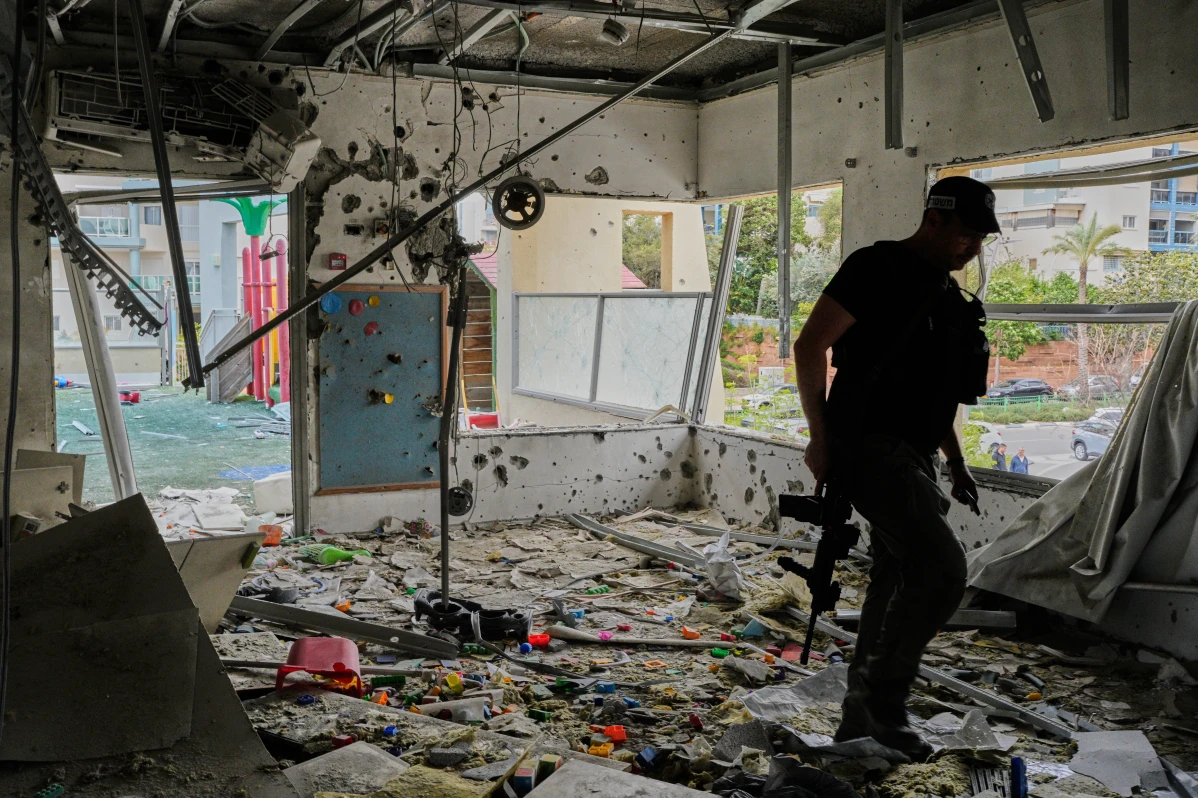
Fresh hostilities in the ongoing Iran-Israel conflict intensified early Sunday, with Iran launching strikes near Israel’s main nuclear research centre, leaving dozens injured and raising fears of wider regional escalation.
According to reports, missiles hit areas close to the nuclear facility in Dimona and the southern city of Arad. Rescue services confirmed that nearly 70 people were injured in Arad alone, with several in serious condition and multiple residential buildings severely damaged.
The Israeli military said it had begun retaliatory strikes targeting locations in Tehran, further escalating the conflict, which has now entered its fourth week.
Iran warned that any attack on its energy facilities would trigger retaliatory strikes on U.S. and Israeli infrastructure across the region. The threat followed a statement by former U.S. President Donald Trump, who warned that the United States could target Iranian power plants if Tehran fails to reopen the strategically vital Strait of Hormuz within 48 hours. Iranian authorities described such threats as provocative, vowing a firm response if carried out.
Saudi Arabia also confirmed that its air defence systems intercepted missiles and drones targeting its territory, including areas near key oil installations, with no casualties reported. In a separate incident, a projectile struck near a commercial vessel off the coast of the United Arab Emirates, causing an explosion but leaving the crew unharmed.
Iran’s state media reported that the death toll within the country has surpassed 1,500 since the conflict began, raising humanitarian concerns. Legal experts have also warned that targeting civilian infrastructure such as power plants could violate international law.
Israeli Prime Minister Benjamin Netanyahu described the situation as “a very difficult moment,” as emergency teams continued search-and-rescue operations in affected areas.
In Yemen, Iran-backed Houthi rebels warned they could join the conflict if attacks against Iran intensify, cautioning that further escalation could disrupt global energy supplies and economic stability.
Despite diplomatic signals, including a temporary U.S. move to ease sanctions on Iranian oil shipments, there are no clear signs of de-escalation, with both sides continuing military operations. Analysts warn the conflict risks expanding into a broader regional war with significant global implications.