
Judiciary
ECOWAS Court Reserves Judgment in Owuru’s High-Stakes Suit Against Nigeria

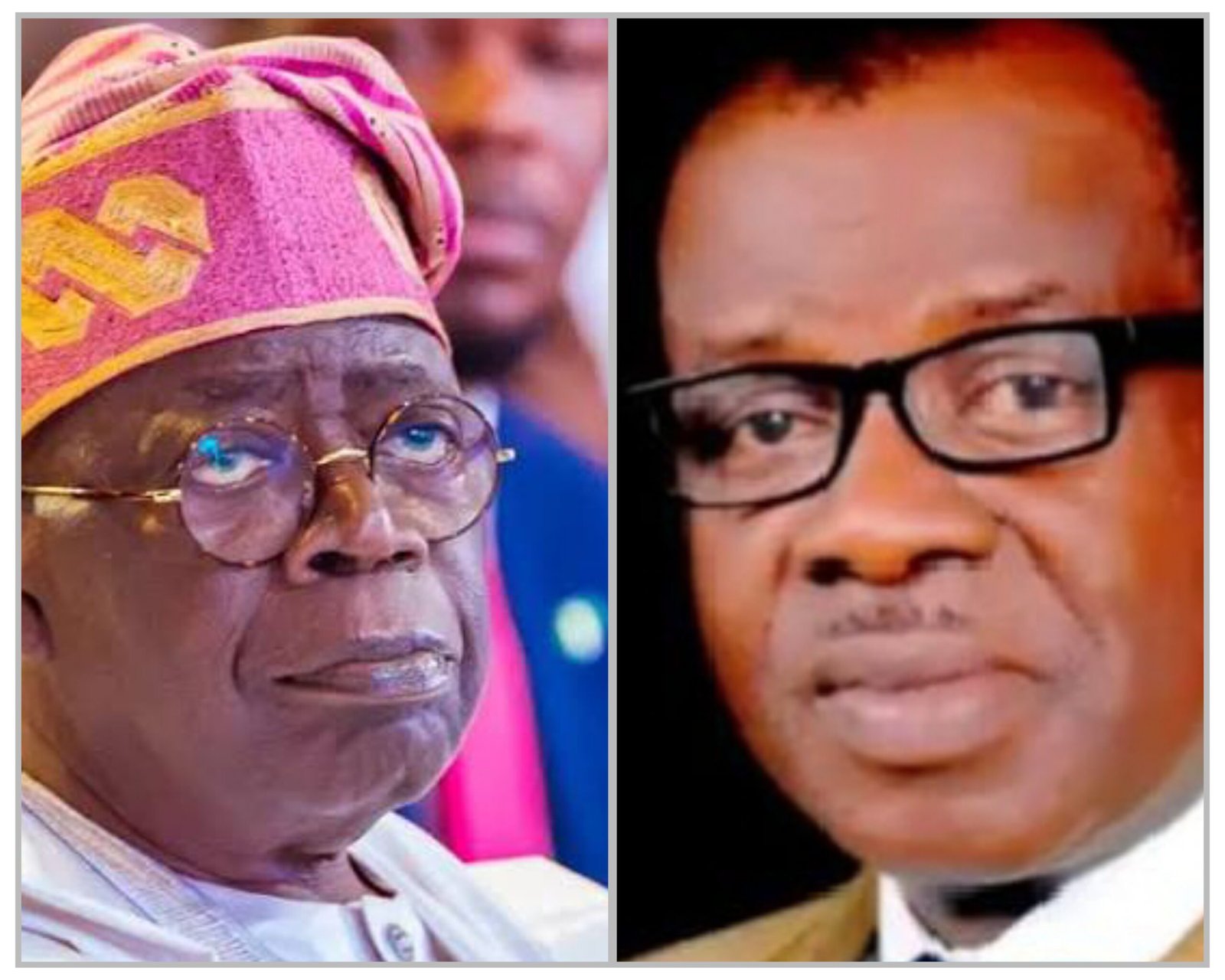
The ECOWAS Court of Justice has reserved judgment in a high-profile case filed by A.A. Owuru against the Nigeria over alleged rights violations linked to a disputed political mandate.
The development was disclosed in a statement by Africa Without Borders, which noted that the regional court heard the matter on March 24, 2026, under Suit No. ECW/CCJ/APP/21/2025, before reserving judgment.
According to the group’s Regional Publicity Director, Ogie Uwane, the case centres on claims by Owuru that his rights were violated in circumstances that allegedly led to the usurpation of his mandate.
Uwane further recalled that the Supreme Court of Nigeria had earlier declined to hear the substantive appeal in the matter on December 16, 2024. The decision, he said, was based on a disputed affidavit of service, which the claimant alleged was falsified by certain court officials.
He also claimed that the appeal was deemed withdrawn by an unidentified individual who was neither a party to the suit nor authorised to act on behalf of the appellant, with no verifiable record to support the withdrawal.
According to the statement, the Supreme Court treated the case as an originating summons rather than proceeding with the appeal and imposed a ₦5 million cost against the appellant, effectively preventing a full hearing of the substantive issues.
The group argued that the handling of the case has drawn international scrutiny and raised constitutional questions, including references to Section 137 of the 1999 Constitution on eligibility for the office of President.
It further stated that the dispute touches on competing claims regarding presidential mandate timelines following the death of former President Muhammadu Buhari, as well as issues surrounding the 2023 presidential election outcome.
The ECOWAS Court is expected to deliver its judgment at a later date.