Government
EU Commits €22m Grant for Nigeria’s Fibre Expansion as EBRD Launches First Sovereign Deal


The European Union has pledged a €22 million grant to support Nigeria’s nationwide fibre-optic expansion under the Federal Government’s BRIDGE Project, in a move signalling deepening digital cooperation with the European Bank for Reconstruction and Development (EBRD).
Announced in Abuja on Wednesday, the grant will be channelled through the EBRD and passed on to Nigeria’s Federal Ministry of Communications, Innovation and Digital Economy. The funding complements an €86 million sovereign loan from the bank its first major sovereign operation in Nigeria since the country joined as a shareholder last year.
Nigeria’s Communications Minister, Bosun Tijani, described the agreement as a key milestone toward delivering Project BRIDGE on schedule, expressing appreciation for the EU’s commitment to enhanced engagement with Nigeria’s digital sector.
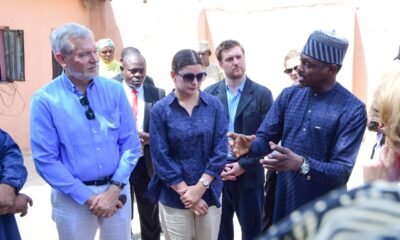
The announcement coincided with the official visit of EBRD President Odile Renaud-Basso, who said the partnership would help unlock private investment and ensure resilient, inclusive and cyber-secure connectivity nationwide.
At the centre of the initiative is a plan to deploy about 90,000 kilometres of fibre-optic cable across the country through a Special Purpose Vehicle structured to include 51 per cent private sector participation. The EBRD financing is expected to align with additional sovereign support from the World Bank and the African Development Bank.
EU Ambassador to Nigeria, Gautier Mignot, said digital infrastructure has become a central pillar of EU–Nigeria relations, stressing the shared priority of building trusted and resilient networks that meet international standards.
Beyond financing, the EU package blends investment support with technical assistance. It will fund preliminary design work for the first 40,000 kilometres of network, including route surveys, digital mapping, quality assurance systems and security risk assessments, effectively creating a ready-to-deploy blueprint once full financing is secured.
The grant will also train 2,000 technicians, subsidise equipment for rollout, and support smaller contractors through pooled procurement arrangements. Officials estimate these measures could cut deployment costs by 20–30 per cent while ensuring compliance with both Nigerian and EU technical requirements.
Industry analysts say the deal’s structure particularly cybersecurity and open-access provisions tied to the EBRD loan reflects an effort to anchor Nigeria’s broadband expansion on transparency, competition and global best practice.
For Nigeria, Africa’s largest economy and one of its fastest-growing digital markets, the BRIDGE Project is expected to close connectivity gaps, strengthen digital public services and position the country as a continental technology hub, while advancing Europe’s Global Gateway strategy through blended finance and private-sector mobilisation.