International
Iran Accuses US of Breaching Deal, Calls Ceasefire ‘Unreasonable’

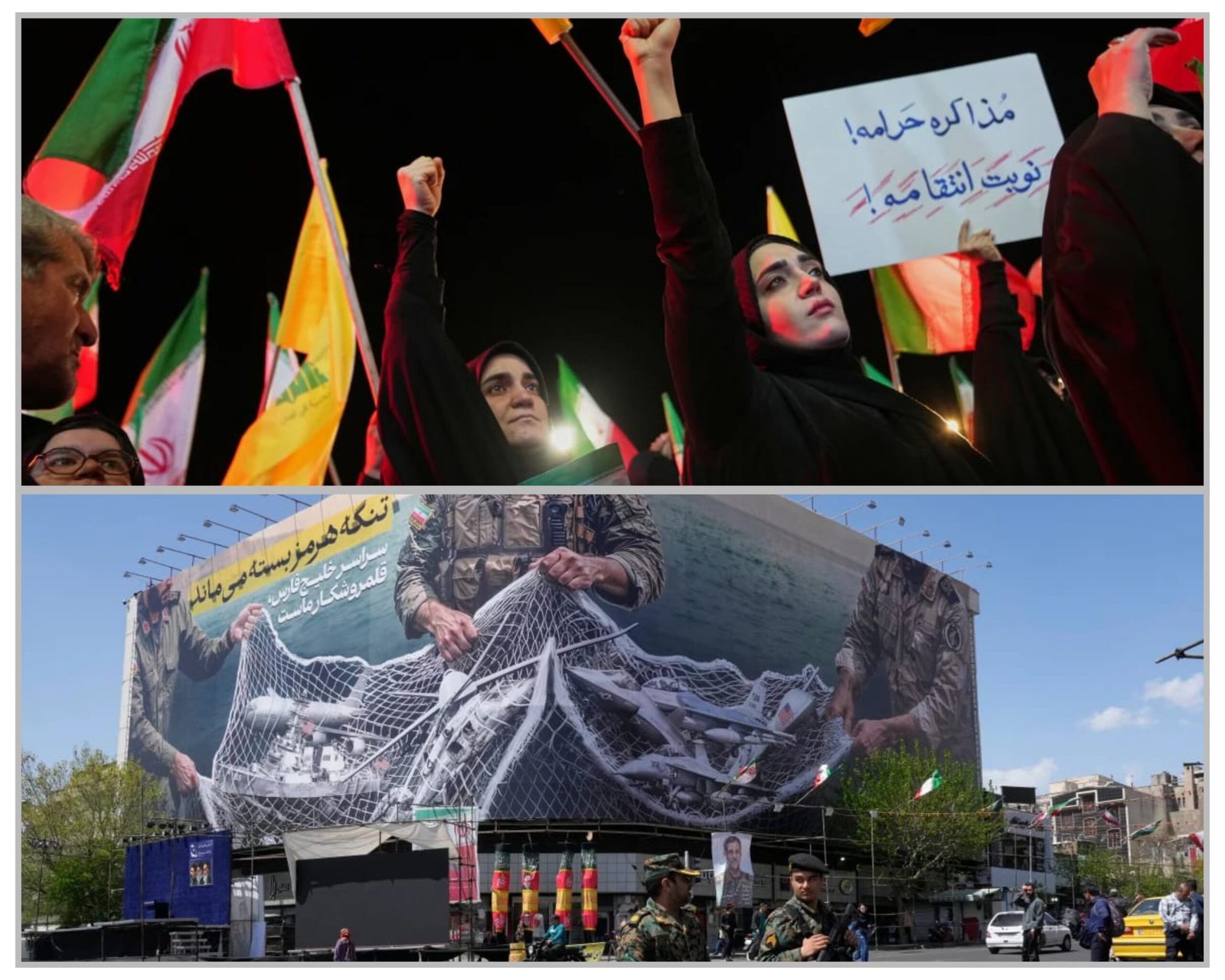
Tensions between Iran and the United States have escalated again after Tehran accused Washington of breaching key elements of a recently agreed ceasefire framework, casting doubt on ongoing peace efforts.
Iranian officials, led by Parliament Speaker Mohammad Bagher Ghalibaf, said the United States had violated at least three conditions outlined in Tehran’s proposed 10-point framework for ending the conflict.
As a result, Ghalibaf described further negotiations and the ceasefire itself as “unreasonable,” signalling growing frustration within Iran’s leadership.
Among the alleged violations cited by Iran are the continuation of Israeli military operations against Hezbollah in Lebanon, an alleged drone incursion into Iranian airspace after the ceasefire took effect, and Washington’s refusal to accept Iran’s right to continue uranium enrichment as part of any final agreement.
The ceasefire, brokered through diplomatic efforts involving Pakistan, was intended to pause weeks of intense hostilities between both sides. However, conflicting interpretations of its terms have deepened mistrust.
While Iran insists the truce should cover regional flashpoints like Lebanon, both the United States and Israel maintain that the agreement does not extend to that front.
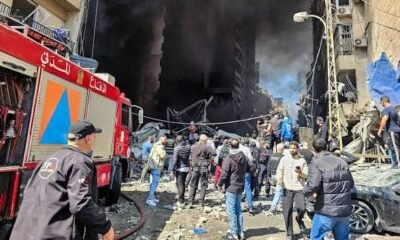
Despite the agreement, fighting has continued in parts of the Middle East, particularly in Lebanon, where ongoing strikes have further complicated efforts to stabilize the situation. Iranian officials argue that these developments undermine the credibility of the ceasefire and question Washington’s commitment to a peaceful resolution.
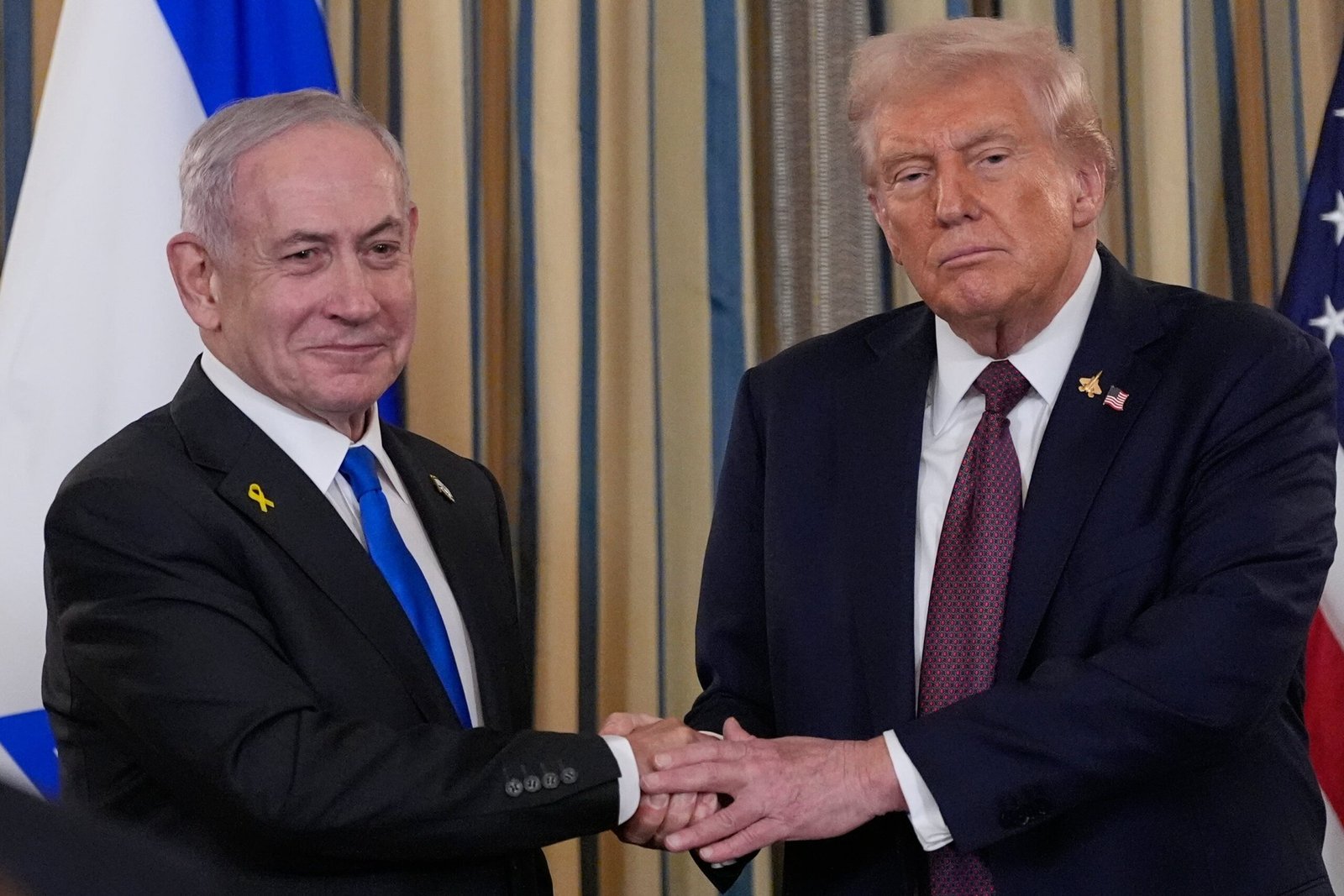
On its part, the United States has downplayed Iran’s accusations, with officials describing some of the disagreements as misunderstandings while insisting that the ceasefire remains in place, albeit fragile.
The latest dispute highlights the shaky nature of the truce, with both sides holding sharply different positions on key issues such as regional security, military operations, and nuclear policy.
Analysts warn that unless these differences are resolved, the ceasefire could collapse, potentially reigniting a broader conflict in the region.