
International
Israel Bombs Tehran as U.S. Pushes 15-Point Peace Plan to End War

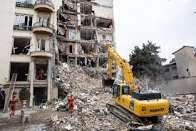
Israel launched fresh airstrikes on Iran’s capital, Tehran, on March 25, according to Israeli military statements and Iranian state media, marking a further escalation in the ongoing Middle East conflict. The strikes are part of a sustained military campaign targeting Iranian military infrastructure and strategic facilities.
The latest attacks come amid intensifying hostilities between both nations, with Iran continuing retaliatory missile and drone operations across the region. The conflict, now in its fourth week, has expanded beyond bilateral exchanges, drawing in the U.S. military involvement and threatening key global energy routes such as the Strait of Hormuz.
Despite the escalation, U.S. President Donald Trump said Washington is making progress in diplomatic efforts to end the war. According to multiple reports, the United States has presented Iran with a proposed 15-point peace plan aimed at halting hostilities and de-escalating tensions.
The proposal reportedly includes conditions such as Iran halting uranium enrichment, dismantling aspects of its nuclear program, ending ballistic missile development, and ceasing support for regional armed groups. In exchange, the U.S. is said to be offering sanctions relief and support for a monitored civilian nuclear program.
However, Iranian officials have publicly denied engaging in negotiations with Washington and expressed scepticism about the proposal, with some dismissing it as insincere.
Diplomatic backchannels remain active, with countries such as Pakistan and Turkey reportedly involved in efforts to mediate potential talks, though no formal agreement has been reached.
As military operations continue alongside fragile diplomatic overtures, the situation remains volatile, with global concerns growing over further escalation and its impact on regional stability and energy markets.