
Health
Kenya to Roll Out Twice-Yearly HIV Prevention Injection in March

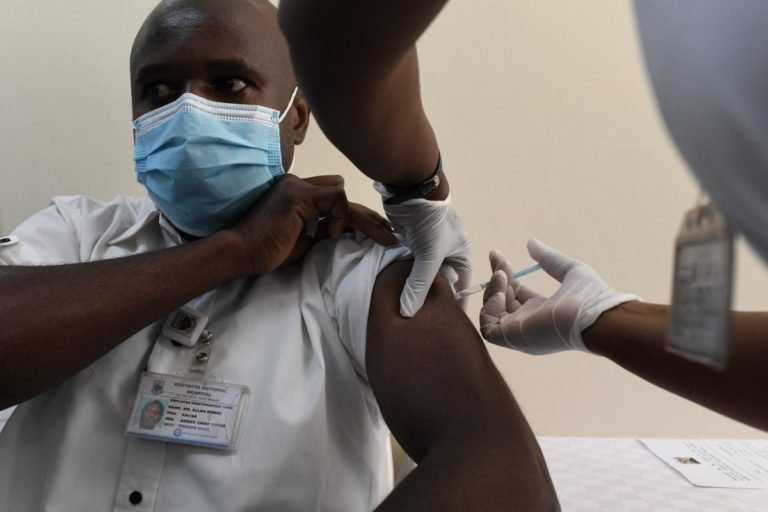
The Kenya government has announced plans to begin nationwide distribution of a new HIV-prevention drug, lenacapavir, starting in March, targeting 15 priority regions in the first phase.
Health Cabinet Secretary Aden Duale confirmed the rollout on Wednesday, describing the injectable treatment as a major step forward in HIV prevention.
Lenacapavir is administered twice a year and clinical trials indicate it can reduce the risk of HIV transmission by more than 99.9 percent.
Unlike vaccines, however, it is a long-acting antiretroviral drug and does not stimulate the immune system.
Kenya is among nine African countries selected in 2025 to introduce the medication. Distribution has already begun in South Africa, Eswatini, and Zambia.
According to data from UNAIDS, eastern and southern Africa account for roughly 52 percent of the world’s 40.8 million people living with HIV.
The first shipment of 21,000 doses arrived Tuesday through a partnership involving manufacturer Gilead Sciences and the Global Fund to Fight AIDS, Tuberculosis and Malaria.
Officials expect an additional 12,000 continuation doses by April, while the United States has pledged a further 25,000 doses.
Kenya’s HIV prevalence currently stands at about 3.7 percent.
The rollout comes as several African countries face reduced foreign health assistance following policy shifts by the administration of Donald Trump, including the dismantling of USAID and scaling back of NGO-led programs.
Despite this, Kenya signed a $2.5 billion bilateral health agreement with Washington in December the first of its kind since those changes under which the US will provide $1.6 billion over five years for health initiatives such as HIV/AIDS treatment, malaria control, and polio prevention.
Nairobi is expected to contribute $850 million and gradually assume greater funding responsibility.
The agreement is currently facing a legal challenge from a Kenyan senator who argues that elements of the deal may violate constitutional provisions.