
International
Landmark UN Move: Ghana Demands Compensation for Slave Trade Legacy

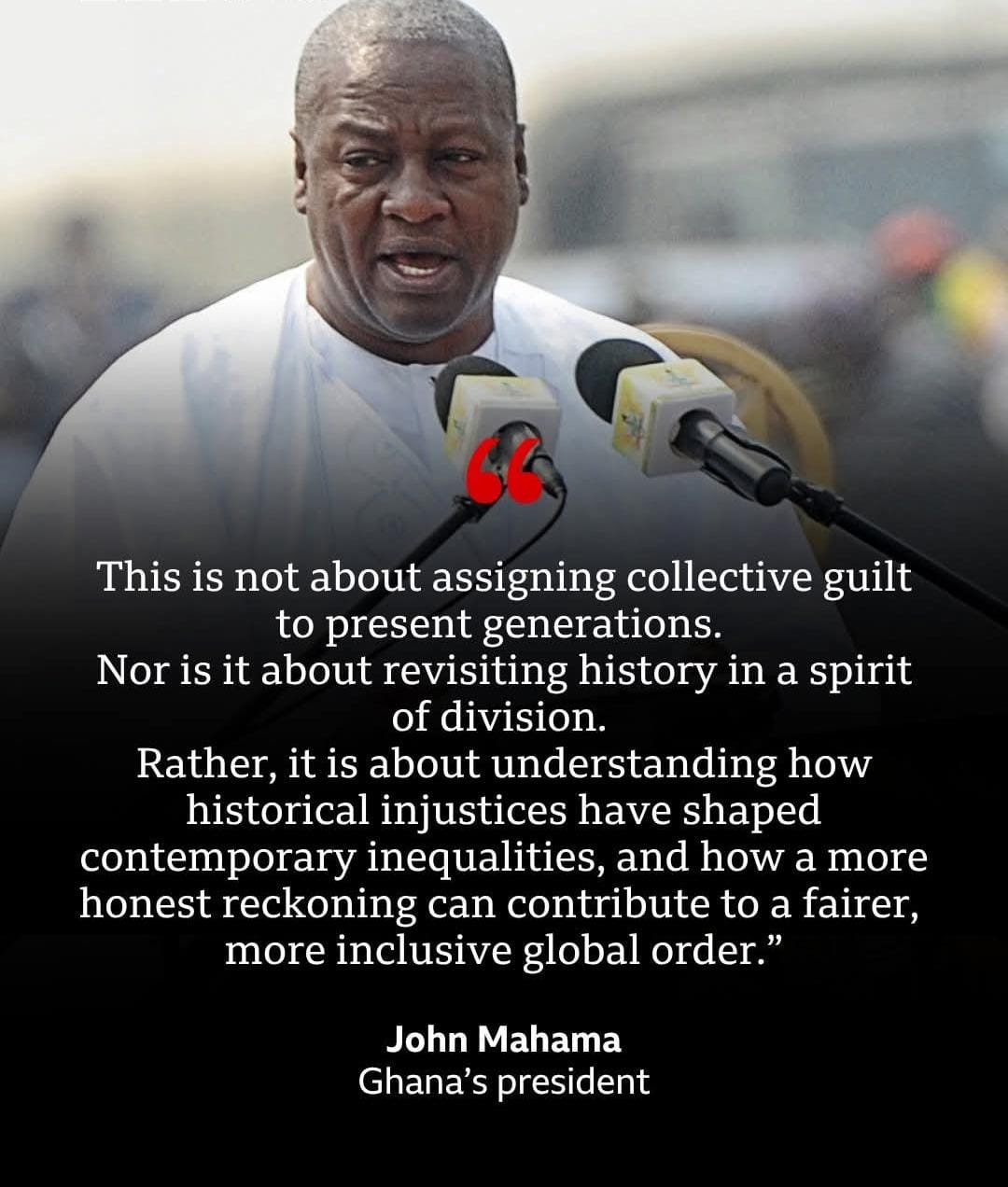
Ghana has intensified global conversations on historical justice after leading a landmark push at the United Nations demanding compensation for the transatlantic slave trade.
During a recent UN session, Ghana’s representatives called for formal recognition of the enduring economic and social impacts of slavery on African nations and the diaspora. The move seeks to hold former colonial powers accountable for centuries of exploitation, forced labour, and systemic underdevelopment.
Officials emphasized that the legacy of the Transatlantic Slave Trade continues to shape global inequalities today. They argued that reparations are not merely financial but should also include institutional reforms, debt relief, and investments in education and infrastructure across affected regions.
The proposal has gained support from several African and Caribbean nations, many of which have long advocated for reparatory justice. Countries backing the motion say it represents a moral obligation for nations that benefited from slavery to contribute to repairing its lasting damage.
However, the call has sparked mixed reactions among Western countries. Some governments have expressed willingness to engage in dialogue on historical accountability, while others remain cautious, citing legal and political complexities surrounding reparations.
Ghana’s initiative is being described as a pivotal moment in the global reparations movement, potentially setting the stage for more structured international negotiations under the UN framework.
Analysts say the vote could reshape discussions on colonial history, economic inequality, and global justice, as pressure mounts on former slave-trading nations to respond with concrete commitments.