International
Military Rule Deepens as Myanmar Elects Coup Leader as President

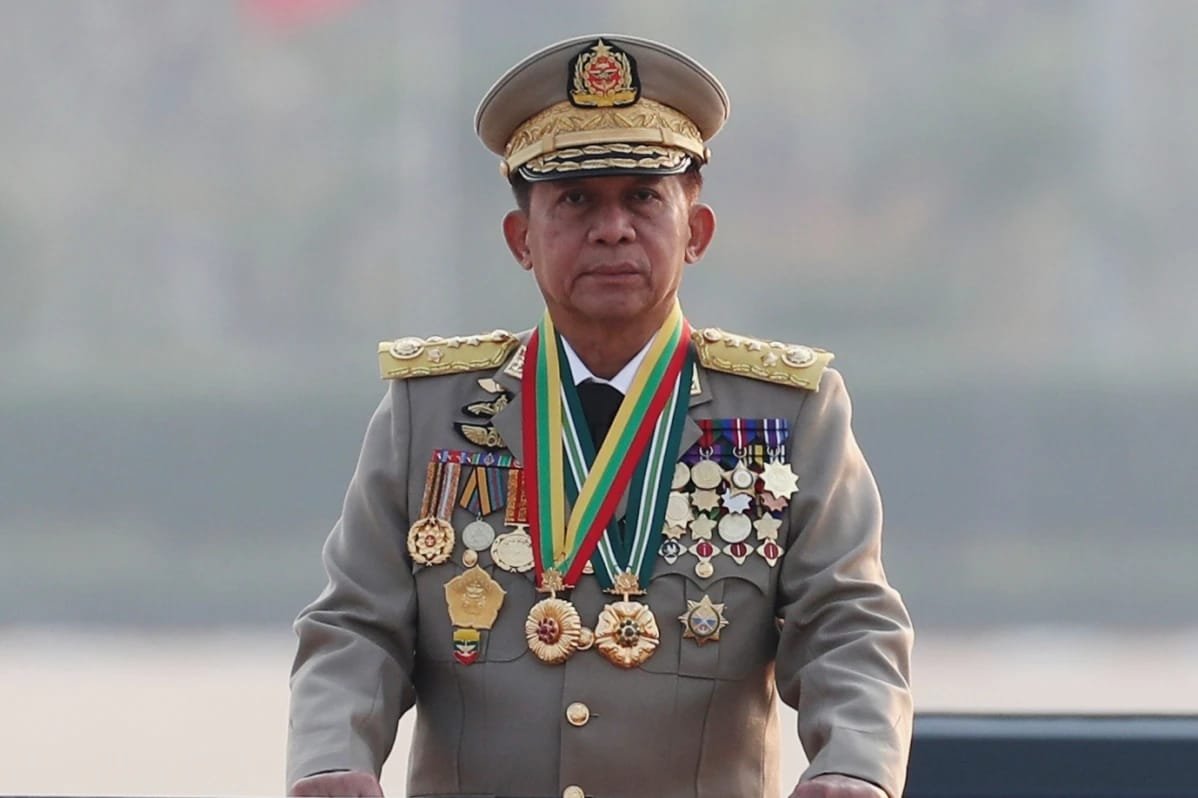
Myanmar’s parliament has elected military leader Min Aung Hlaing as the country’s new president, in a move widely seen as formalising the army’s continued grip on power despite a nominal return to civilian rule.
The vote, held by a legislature dominated by military-backed lawmakers, saw the general secure an overwhelming majority, winning 429 out of 584 votes.
Min Aung Hlaing, who led the 2021 military coup that ousted the elected government of Aung San Suu Kyi, had been effectively ruling the country for five years prior to his election. His transition from army chief to president follows a controversial election process that critics say was neither free nor fair.
Although he stepped down as commander-in-chief to meet constitutional requirements, analysts say the change is largely symbolic, with the military still controlling key state institutions and holding significant influence in parliament.
The election is being viewed by observers as an attempt by the junta to legitimise its rule and ease international pressure while maintaining firm control behind the scenes.
Opposition groups, including the shadow National Unity Government, have rejected the process, insisting it lacks legitimacy and pledging to continue resistance against military rule. The country remains engulfed in a prolonged civil conflict that began after the 2021 coup, with thousands killed and tens of thousands detained.
Internationally, the development is unlikely to improve Myanmar’s strained relations with Western nations, many of which have imposed sanctions on the military leadership over alleged human rights abuses.
Despite the formal shift to a civilian presidency, analysts warn that the latest move signals continuity rather than change, with the army still firmly in charge of Myanmar’s political future.