General News
OPL 245: Opposition Driven by Self Interest, Not Patriotism – AGF

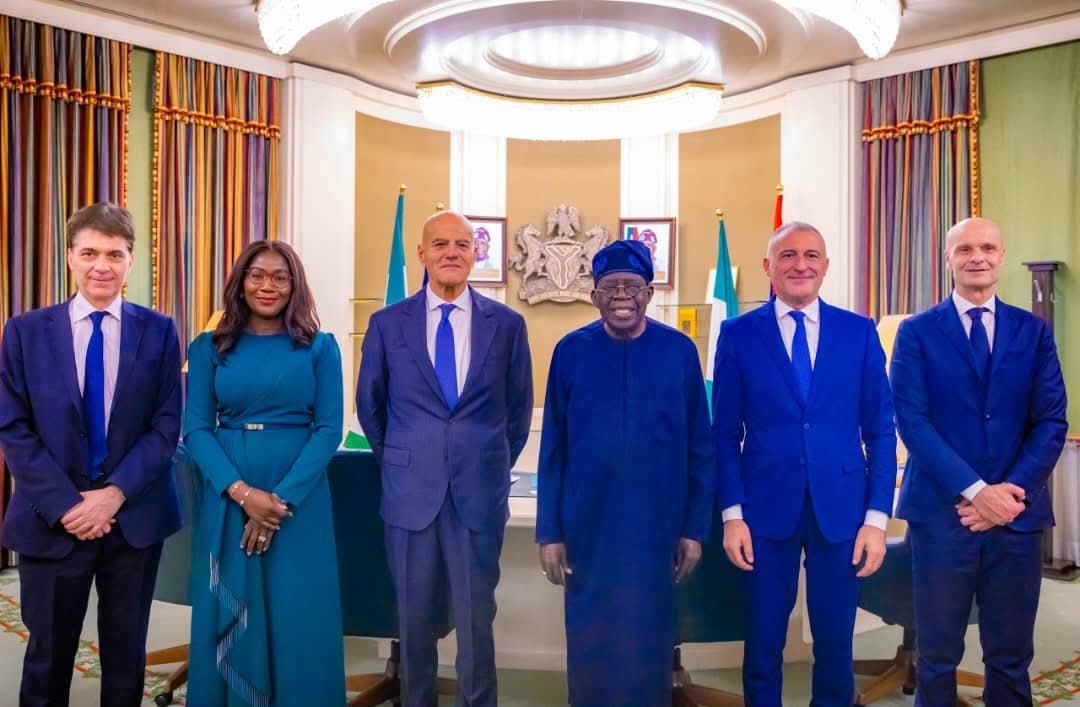
The Attorney General of the Federation and Minister of Justice, Lateef O. Fagbemi, has criticised ongoing opposition to the Federal Government’s resolution of disputes surrounding the OPL 245 oil block, describing such reactions as driven by selfish interests rather than national concern.
In a statement issued on Wednesday, the Attorney General faulted media reports attributed to the media office of former Vice President, Atiku Abubakar, accusing them of misrepresenting the recent settlement of the long running dispute.
Fagbemi described the resolution as a landmark achievement by the current administration, noting that it brings to an end nearly three decades of legal and political disputes over the highly valued oil asset.
He recalled that OPL 245 was originally awarded to Malabu Oil and Gas Limited in April 1998, before being revoked in July 2001 and later reallocated in May 2002 to Shell Nigeria Ultra Deep Limited, now succeeded by Shell Nigeria Exploration and Production Company Limited. The developments, he said, triggered prolonged litigation and multiple public hearings at the National Assembly.
According to the Attorney General, the disputes were addressed through a 2011 Resolution Agreement involving the Federal Government, Malabu, Shell entities and Nigerian Agip Exploration, under which Malabu relinquished its claims to the oil block in exchange for compensation. The agreement also mandated the conversion of OPL 245 into an Oil Mining Lease.
He noted that the transactions arising from the 2011 agreement were subjected to extensive judicial scrutiny in several jurisdictions, including the United States, the United Kingdom and Italy, with no wrongdoing established against the companies involved.
Fagbemi further disclosed that following delays by the Federal Government in converting the oil block into an Oil Mining Lease, Eni and Nigerian Agip Exploration initiated arbitration proceedings against Nigeria at the International Centre for Settlement of Investment Disputes, claiming a breach of the Nigeria Netherlands Bilateral Investment Treaty.
He said Nigeria faced potential liabilities exceeding $2 billion in damages before the dispute was resolved.
The Attorney General clarified that the arbitration proceedings, which began in 2020, were strictly focused on Nigeria’s treaty obligations and not on ownership disputes involving Malabu. He added that individuals now claiming interests in the oil block neither participated in nor had legal grounds to intervene in the arbitration.
Highlighting the economic importance of the asset, Fagbemi said OPL 245, located about 150 kilometres offshore, is one of Nigeria’s most commercially viable oil blocks but has remained undeveloped for years due to legal uncertainties.
He stated that the recent resolution would unlock its potential, with projections indicating the block could contribute about 150,000 barrels of oil per day to Nigeria’s production capacity. The project is also expected to include a large scale floating production system and gas export components linked to Nigeria LNG.
Fagbemi added that the development would boost government revenue, strengthen energy security and improve investor confidence in the country’s oil and gas sector.
He also referenced a recent Court of Appeal judgment in Nigerian Agip Exploration Limited v Malabu Oil and Gas Limited, which dismissed Malabu’s challenge to the allocation of the oil block, ruling that the case was statute barred and an abuse of court process.
The Attorney General maintained that continued criticism of the resolution, despite legal and commercial clarity, raises concerns about the motives behind such opposition.
He urged Nigerians to disregard narratives aimed at undermining the agreement, insisting that the resolution serves the broader national interest and is critical to unlocking economic benefits for the country.
“The national interest must not be sacrificed for hidden agendas,” he said.