International
Rand Weakens Amid Oil Surge Triggered by US-Iran Blockade Threat

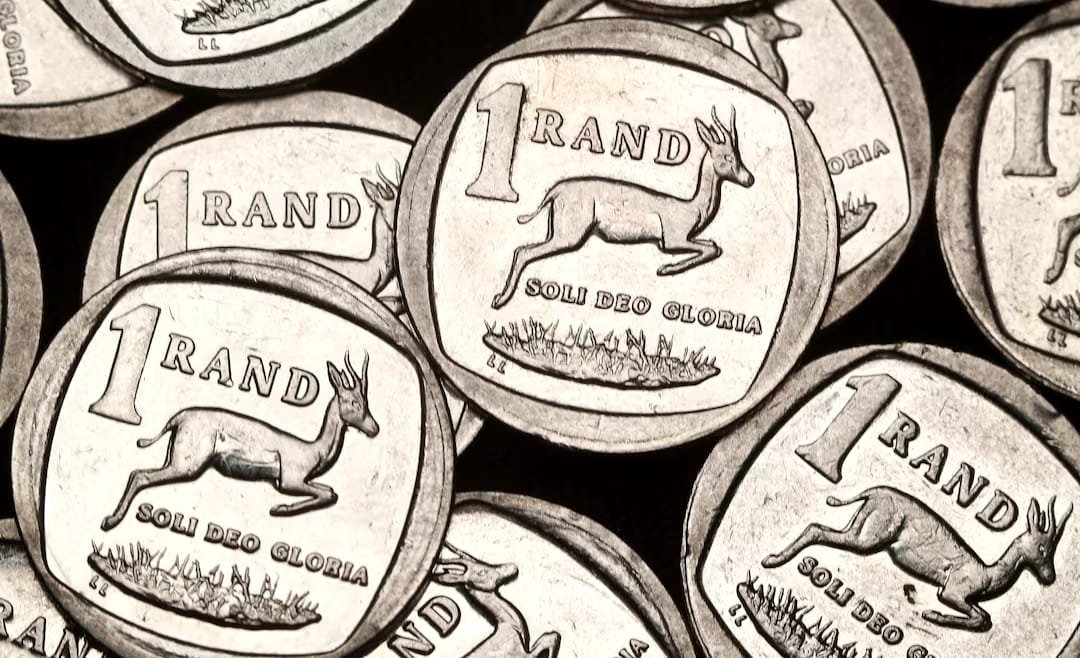
The South African rand weakened on Monday as escalating tensions between the United States and Iran drove global oil prices above $100 per barrel, rattling financial markets and pressuring emerging-market currencies.
The decline in the rand comes amid growing fears that the U.S. could enforce a blockade on Iran, particularly around the strategic Strait of Hormuz; a critical artery for global oil supply. Any disruption to this route has significant implications for energy markets and global economic stability.
Oil prices surged past the $100 mark following the collapse of diplomatic talks between Washington and Tehran, with investors increasingly concerned about supply disruptions. Analysts say the mere threat of a blockade has been enough to trigger a sharp rise in crude prices and heighten market volatility.
As a result, investors shifted toward safer assets, strengthening the U.S. dollar and putting pressure on risk-sensitive currencies like the rand. Reports indicate the South African currency lost ground as markets turned cautious amid geopolitical uncertainty.
The rand’s weakness reflects broader concerns for emerging markets, many of which are vulnerable to rising oil prices and global risk aversion. South Africa, a net importer of fuel, is particularly exposed to oil price shocks, which can drive inflation and strain the economy.
Market analysts warn that continued escalation between the U.S. and Iran could sustain high oil prices, further weighing on currencies and increasing inflationary pressures worldwide. In Africa, prolonged instability in energy markets could also affect banking systems and force central banks to tighten monetary policy.
The situation remains fluid, with investors closely monitoring geopolitical developments and their potential impact on global trade and financial stability. For now, the rand and other emerging-market currencies are expected to remain under pressure as uncertainty persists.