General News
Resignation Calls Against INEC Chairman Premature, Risk Democratic Stability – Oluwafemi

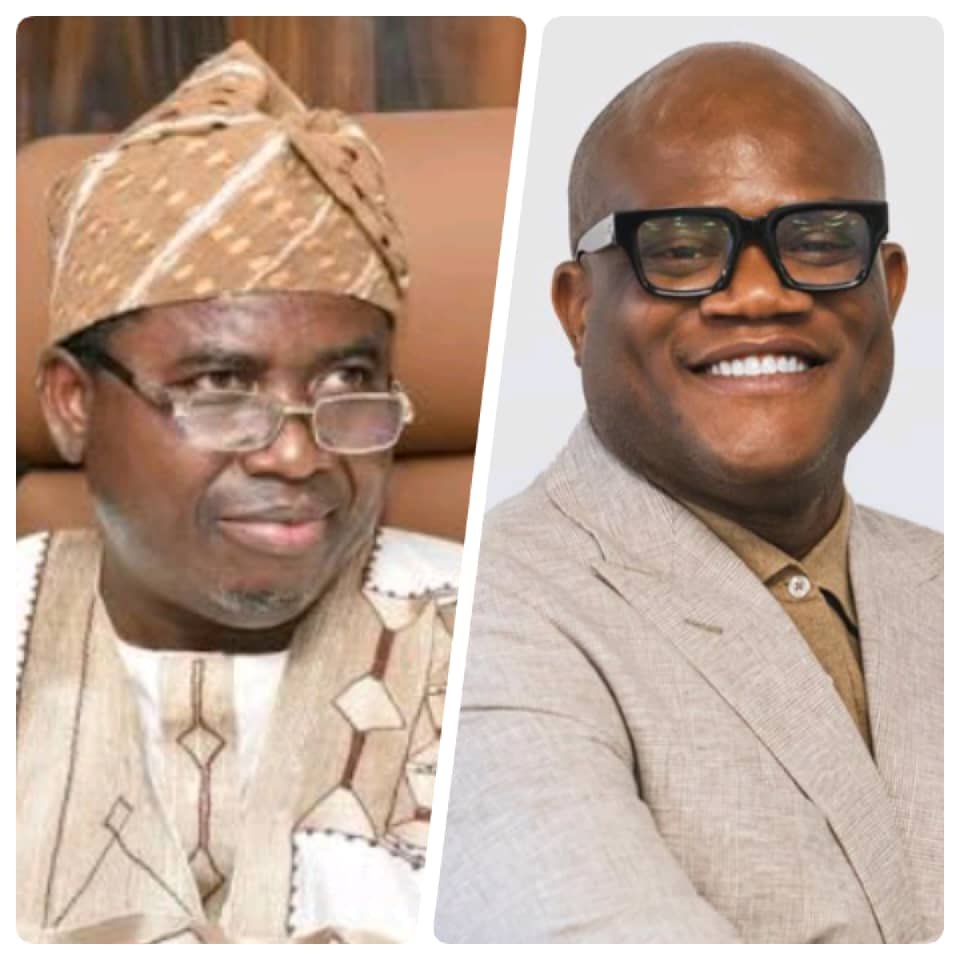
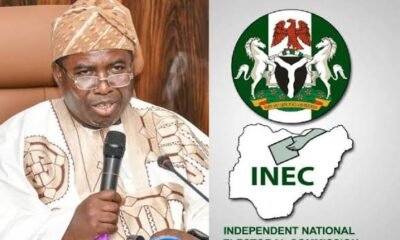
A public analyst and development consultant, Sir Victor Walsh Oluwafemi, has urged caution over increasing calls for the resignation of the Chairman of the Independent National Electoral Commission (INEC), Joash Amupitan, warning that such demands could undermine Nigeria’s democratic stability.
In a statement he personally signed, Oluwafemi said while accountability remains a cornerstone of democracy, the tone and timing of the calls raise concerns about their underlying intent and possible consequences.
He noted that it is important to determine whether the demands are based on verifiable institutional breaches or are products of political pressure and reactionary sentiment.
The analyst referenced recent positions by the African Democratic Congress and the Supreme Council for Shari’ah in Nigeria, cautioning that attempts to influence leadership changes in critical national institutions through public agitation could set a dangerous precedent.
According to him, Nigeria’s constitutional framework clearly outlines the procedure for removing the INEC chairman, stressing that such action must be carried out strictly in accordance with the law rather than through media campaigns or public pressure.
“At this stage, restraint is not only advisable but necessary. Allegations must be subjected to judicial scrutiny, not amplified through public platforms,” he said.
Oluwafemi also raised concerns about what he described as the growing trend of inflammatory and unguarded statements across traditional and digital media, warning that such rhetoric could heighten tensions and erode public confidence in democratic institutions.
He cited past electoral experiences, noting that election-related violence has often been linked to reckless commentary and premature delegitimisation of institutions.
“Public platforms must be used responsibly. Freedom of expression should not become a tool for institutional erosion,” he cautioned.
He called on political actors, socio-religious organisations, and media commentators to exercise restraint and responsibility, emphasising that their words play a significant role in shaping public perception and national stability.
Oluwafemi maintained that his intervention is not in defence of any individual but a call to uphold due process, rule of law, and institutional integrity.
He concluded that any credible allegations should be addressed through lawful and constitutional channels, warning that premature calls for resignation could destabilise the system.
“A nation strengthens its democracy not through pressure, but through adherence to established processes,” he said.