
General News
Sapele Council Unveils ₦13.07bn ‘Budget of Reassurance’ Focused on Infrastructure and Economic Relief


The Sapele Local Government has presented a proposed ₦13.07 billion budget for the 2026 fiscal year, aiming to stimulate economic relief and accelerate visible development across the council area. The proposal, delivered by Chairman Bright Abeke to the council’s Legislative Arm on Tuesday, represents a nearly 10% increase from the 2025 revised estimate of ₦11.77 billion.
Tagged the “Budget of Reassurance,” the plan prioritizes grassroots development and is structured to address the economic challenges faced by residents. A key feature is the focus on capital projects, with ₦7.00 billion earmarked for infrastructure, roads, healthcare, and community facilities surpassing the ₦6.39 billion allocated for recurrent expenditure.
Chairman Abeke stressed that increased investment in capital projects would not only improve public services but also stimulate local economic activity and deliver long-term benefits, particularly to underserved communities.
Funding for the budget is projected from federal statutory allocations of ₦5.12 billion, Value Added Tax (VAT) of ₦1.65 billion, internally generated revenue of ₦526.08 million, and additional state allocations and grants. Abeke expressed confidence that these sources, combined with disciplined fiscal management, would ensure successful implementation.
Reviewing 2025 achievements, the chairman highlighted completed projects including the construction of Okuovu Market, renovation of Oton Health Centre, installation of 13 electricity transformers across 11 wards, a two-storey school building, and improvements along the Sapele/Warri road corridor. The council also supported security agencies to maintain peace and stability.
The Legislative Arm formally adopted the 2026 budget after motions by Oyibu Efe and Christopher Ayomanor, with Presiding Officer Azu Samuel praising the proposal’s structure and committing to prompt legislative consideration.
The budget outlines ₦2.89 billion for personnel costs, ₦2.58 billion for overheads, and ₦925 million for pensions and gratuities, reflecting the council’s commitment to staff welfare.
While the focus on capital projects has been widely welcomed, residents noted concerns about heavy reliance on federal allocations, emphasizing the need for effective execution to ensure tangible improvements in infrastructure and public services.
If successfully implemented, the “Budget of Reassurance” is expected to deliver meaningful development and economic relief for the people of Sapele.



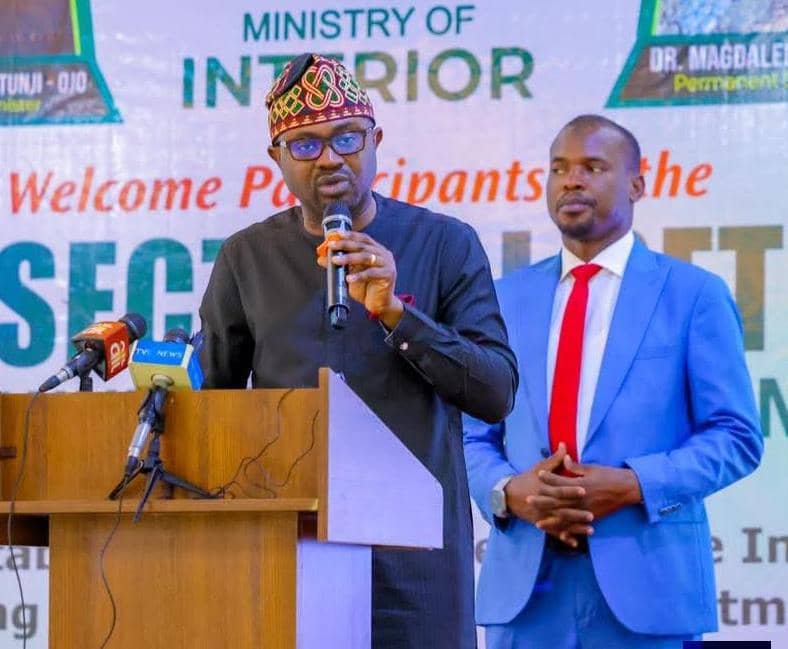
The Federal Government has officially declared Thursday, March 19, and Friday, March 20, 2026, as public holidays to mark this year’s Eid-ul-Fitr festivities.
The announcement was made by Olubunmi Tunji-Ojo, Nigeria’s Minister of Interior, who congratulated Muslim faithful across the country on completing the holy month of Ramadan.
In a statement issued on Tuesday by Dr. Magdalene Ajani, Permanent Secretary in the Ministry of Interior, the minister urged Nigerians to uphold the core values of love, generosity, peace, tolerance, and sacrifice virtues that define Ramadan beyond the fasting period.
Tunji-Ojo further encouraged citizens of all faiths to use the festive period to pray for national peace, unity, and sustained progress, emphasizing that collective responsibility is key to the country’s stability.
He also called on the public to celebrate responsibly and extend kindness to the less privileged, in keeping with the spirit of the season.
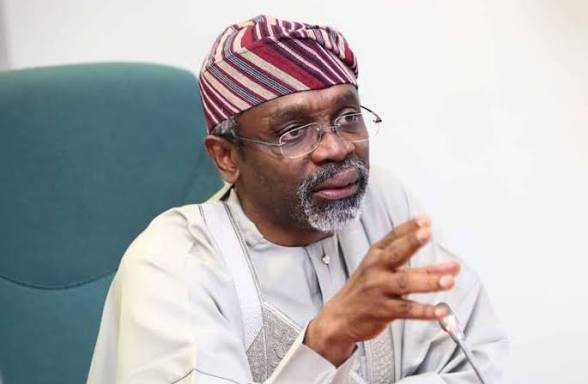
The Chief of Staff to the President, Femi Gbajabiamila, has defended the sweeping reforms of President Bola Ahmed Tinubu, saying they are critical to securing Nigeria’s long-term stability rather than short-term political gains.
Speaking on Tuesday at the State House in Abuja while receiving leaders of Working People United, Gbajabiamila said the administration’s policy direction reflects a deliberate resolve to confront deep-rooted structural challenges facing the country.
He acknowledged that the reforms may pose immediate difficulties for Nigerians but described them as necessary corrections to longstanding economic and governance issues that had been neglected over the years.
“Leadership is about making tough decisions that may not be popular in the short term but are ultimately in the best interest of the nation,” he said, noting that President Tinubu has shown the courage to implement policies previous administrations avoided.
Gbajabiamila added that national conversations are gradually shifting from questioning the necessity of the reforms to focusing on their implementation, an indication, he said, that the measures are gaining broader acceptance.
He likened the reform process to a transition phase that often comes with initial discomfort but leads to long-term stability and sustainability.
The Chief of Staff also commended WOPU’s approach to engagement, describing it as constructive and focused on collaboration rather than confrontation. He noted that such partnerships are essential for strengthening governance and fostering inclusive development.
He assured the group of the Presidency’s willingness to work with stakeholders committed to promoting unity, economic growth, and national progress.
In his remarks, the Coordinator-General of WOPU, Williams Akporeha, said the organisation represents a broad coalition of Nigerian workers, including artisans, professionals, entrepreneurs, farmers, transporters, and youths.
Akporeha stressed that cooperation between government and organised groups is key to strengthening democratic institutions and building public trust, adding that WOPU is mobilising nationwide support to sustain ongoing reforms.
He talked about the group’s presence across all states, local government areas, and wards, positioning it as a grassroots platform for advocacy and civic engagement.
Both parties reaffirmed their commitment to dialogue and partnership as Nigeria continues to navigate its current phase of economic and institutional reforms.
General News
Shettima Mourns Maiduguri Blast Victims, Declares ‘No Religion Supports Killing of Innocents’
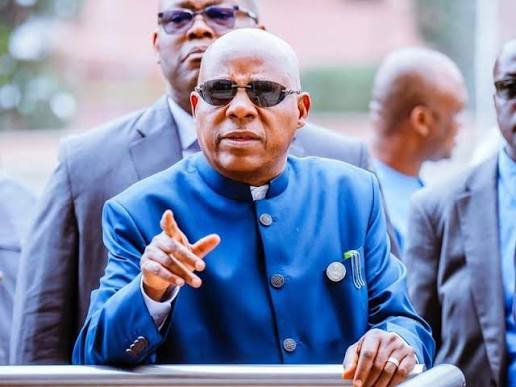
Vice President Kashim Shettima has expressed deep sorrow over the killing of 25 people in multiple explosions that rocked Maiduguri, describing the attacks as senseless and contrary to all religious teachings.
Speaking on Tuesday at the closing of the Annual Ramadan Tafsir at the State House Mosque in Abuja, Shettima stressed that no religion condones the taking of innocent lives, noting that the sanctity of human life remains central to all major faiths.
The Vice President, who is expected to visit Borno State, prayed for the repose of the victims and comfort for their families.
“May the lives of the innocent souls that were lost rest in peace. May Allah grant them Aljannah Firdaus and give their families the strength to bear the loss,” he said, while also praying for an end to acts of terrorism.
Shettima called on Nigerians to continue praying for peace, unity, and national stability, urging citizens to support the administration of President Bola Ahmed Tinubu with goodwill and faith.
Reflecting on the significance of Ramadan, the Vice President reminded leaders and citizens alike of the transient nature of power and the importance of accountability before God.
“In the presence of Allah, what matters is character and what we do with the trust placed in our hands,” he noted, adding that leadership must be guided by conscience, humility, and fear of God.
He urged Muslims to sustain the values of discipline, compassion, and self-restraint learned during Ramadan beyond the holy month, warning against returning to negative habits such as division, anger, and indifference.
Shettima also paid tribute to the Chief Imam of the State House Mosque, Abdulwaheed Suleiman Abubakar, for his leadership during the Tafsir, while prayers were offered for peace, national development, and the success of government policies.