
Business
Starlink Reopens High-Cost Business Plan in Lagos, Abuja, Port Harcourt


Starlink, the satellite internet service owned by SpaceX, has reopened its Business (Priority) subscription plan in Lagos, Abuja and Port Harcourt after months of “Sold Out” notices in Nigeria’s major urban centres.
The reopening, which took effect on February 14, 2026, restores a previously suspended service tier that was paused alongside residential subscriptions as network congestion worsened in high-demand cities. The move does not introduce a new product but reactivates access to the premium package for customers willing to pay higher fees.
Under the Business plan, subscribers are required to pay ₦159,000 (about $99.38) monthly, excluding hardware costs that can exceed ₦4 million ($2,500). This places the package significantly above the residential plan, which currently costs ₦57,000 ($36) per month.
In several high-demand neighbourhoods such as Victoria Island, Ikoyi, Lekki and Surulere in Lagos, as well as parts of Abuja, new residential subscriptions remain unavailable. Prospective users in those areas are being prompted to either upgrade to the Priority plan or place deposits to join a waitlist without a definite activation date.
A review of multiple Lagos locations on Starlink’s website indicates that only Priority plans are currently accessible in many districts due to sustained demand pressures.
The development comes amid rising competition in Nigeria’s satellite broadband market. In January 2026, Amazon secured regulatory approval to operate its satellite internet service, Project Kuiper, in Nigeria—signalling intensifying rivalry in the sector.
Starlink’s capacity constraints in Nigeria, similar to challenges faced in Kenya, have been building since late 2024. After reaching capacity in major cities, the company became embroiled in a pricing dispute with the Nigerian Communications Commission over proposed tariff adjustments that had not received final regulatory clearance.
The disagreement contributed to an eight-month nationwide freeze on new residential subscriptions between November 2024 and June 2025. Although residential orders resumed in mid-2025 at moderated rates, demand in densely populated areas has continued to outpace available bandwidth, leaving several parts of Lagos and Abuja effectively closed to new home users since September 2025.
The Business plan offers either 1TB or 2TB of Priority Data monthly, after which speeds may be deprioritised, though data usage remains technically unlimited. Business subscribers also receive priority technical support and a publicly routable IPv4 address, a feature considered critical for organisations operating servers and secure enterprise networks.
Hardware requirements vary. While the standard Starlink kit costs approximately ₦590,000 ($369), business customers are advised to purchase the Flat High Performance dish, priced between ₦3.15 million ($1,969) and ₦4.1 million ($2,563), to ensure more stable connectivity in demanding environments.
Globally, Starlink has accelerated satellite deployment. As of February 24, 2026, SpaceX had completed 18 Starlink missions this year, launching about 428 satellites. The active constellation now exceeds 9,700 satellites, including newer Direct-to-Cell units designed to connect directly to smartphones.
By reopening its premium tier in Nigeria’s commercial hubs, Starlink appears to be capitalising on sustained urban demand while managing network congestion through higher-priced offerings.





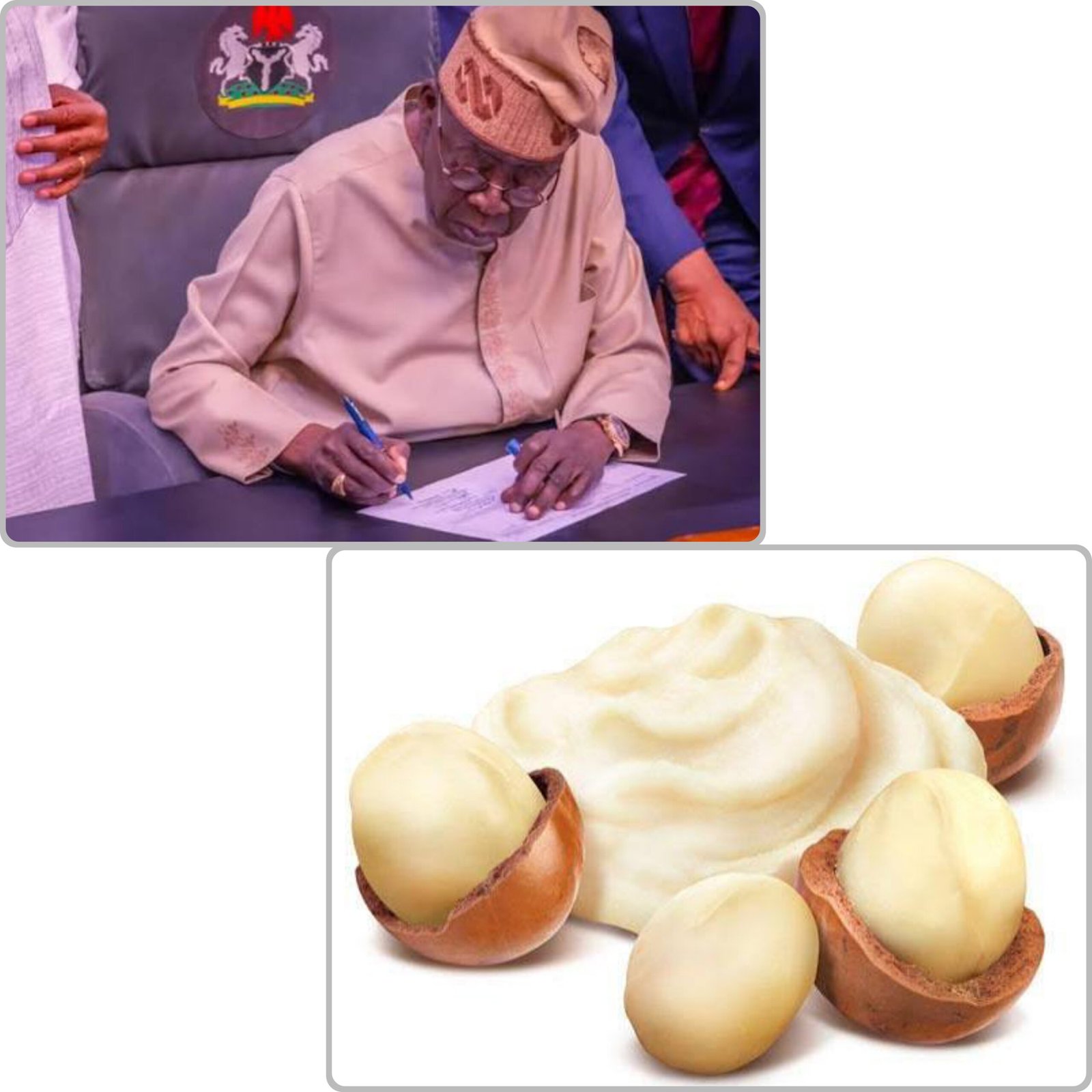
President Bola Ahmed Tinubu has approved a one-year extension of the ban on the export of raw shea nuts, effective from February 26, 2026, to February 25, 2027.
The approval, disclosed on February 25, 2026, by the Special Adviser to the President on Information and Strategy, Bayo Onanuga, reinforces the administration’s commitment to accelerating industrial development, promoting domestic value addition, and advancing the Renewed Hope Agenda.
According to the statement, the extension is aimed at strengthening Nigeria’s local processing capacity, improving livelihoods in shea-producing communities, and boosting export earnings through value-added products rather than raw commodity sales.
To ensure effective implementation, President Tinubu has directed the two Ministers of the Federal Ministry of Industry, Trade and Investment, in collaboration with the Presidential Food Security Coordination Unit (PFSCU), to coordinate a unified, evidence-based national framework. The framework is expected to harmonise industrialisation, trade, and investment priorities along the shea nut value chain.
The President also approved the adoption of an export framework developed by the Nigerian Commodity Exchange (NCX) and ordered the withdrawal of all existing waivers that permitted the direct export of raw shea nuts.
Under the new directive, any surplus raw shea nuts must be exported strictly through the NCX framework and in line with approved guidelines.
In addition, President Tinubu instructed the Federal Ministry of Finance to provide access to a dedicated NESS Support Window. This will enable the Ministry of Industry, Trade and Investment to pilot a Livelihood Finance Mechanism aimed at expanding production and processing capacity in the shea sector.
Shea nuts, harvested from the shea tree commonly found across Nigeria’s Savanna belt, serve as the primary raw material for shea butter. The butter is widely valued for its moisturising, anti-inflammatory, and antioxidant properties, and is used extensively in cosmetics for skin and hair care, as well as in edible cooking oil production. Processed shea butter commands between 10 and 20 times the market value of raw nuts.
The Federal Government reaffirmed its commitment to policies that promote inclusive growth, strengthen local manufacturing, and position Nigeria as a competitive player in global agricultural value chains.

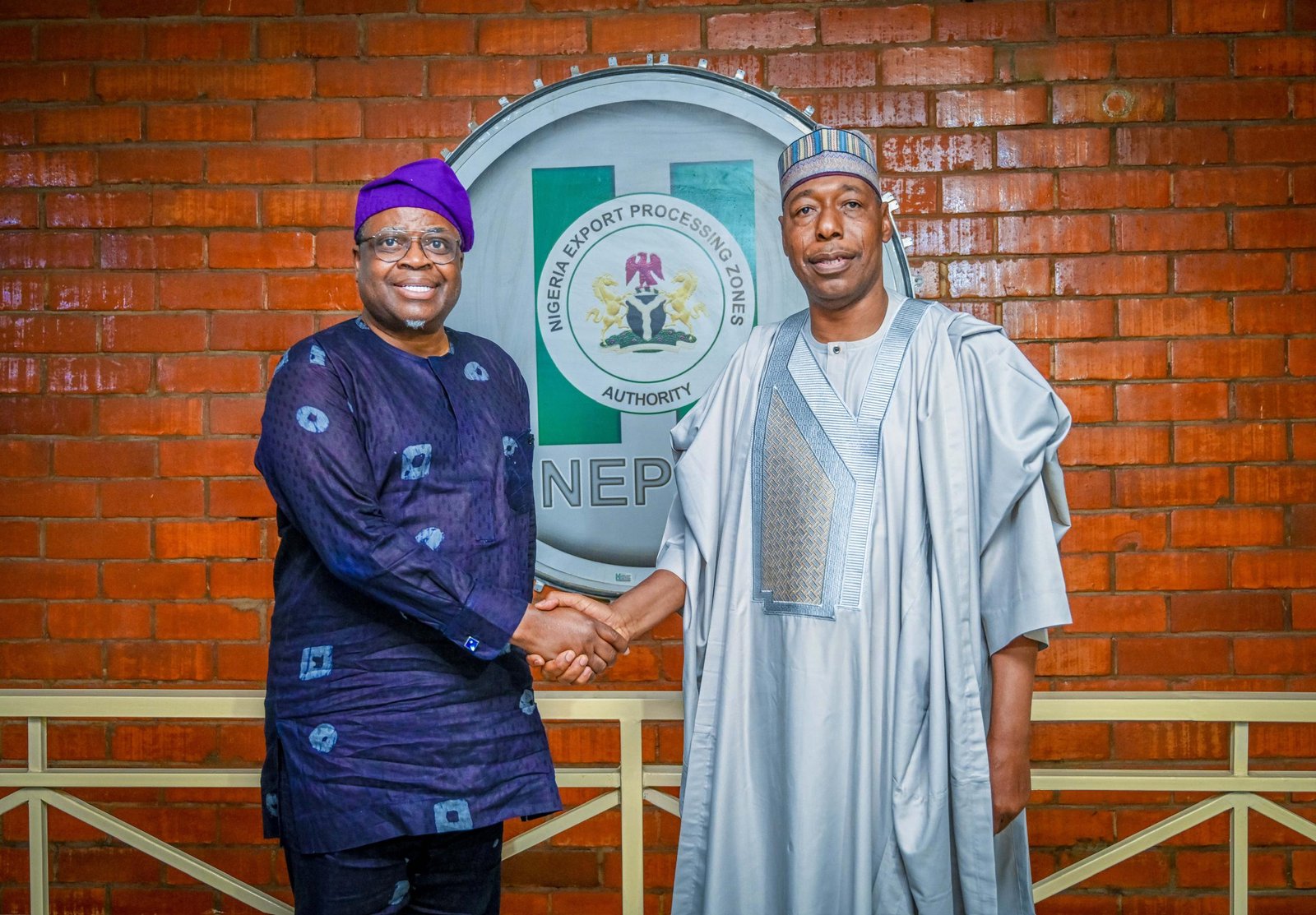
The Nigeria Export Processing Zones Authority (NEPZA) has reaffirmed its commitment to support the Borno State Government in revamping the moribund Banki Free Trade Zone (FTZ).
This was contained in a statement signed by Martins Odeh, Ph.D., Head, Corporate Communications, NEPZA, following a courtesy visit by the Governor of Borno State, Prof. Babagana Zulum, to the Authority in Abuja.
The Managing Director and Chief Executive Officer of NEPZA, Dr. Olufemi Ogunyemi, emphasised the urgent need to overhaul the zone, describing it as a strategic economic gateway between Nigeria and the Maghreb region. He noted that the Banki Border Free Trade Zone had remained inactive largely due to adverse natural occurrences such as flooding, as well as funding constraints and insecurity.
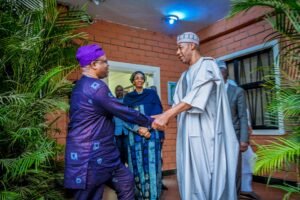
“We have agreed to leverage our expertise in attracting Foreign Direct Investment and providing technical assistance to transform this business ecosystem that has significant potential to economically empower the North Eastern region of our country,” Ogunyemi stated.
In his remarks, Governor Zulum expressed appreciation for NEPZA’s commitment to supporting the state’s efforts to revive, expand and reconstruct the zone to meet global standards.
“The state is prepared to make substantial investments in the zone and develop the essential physical infrastructure as we work to bring prosperity closer to our people,” Zulum said.
The governor also commended President Bola Ahmed Tinubu for his support of the free trade zone scheme, describing it as a viable pathway to economic growth and industrialisation.
“Let me thank His Excellency, President Ahmed Bola Tinubu, GCFR, for his support of the free trade zone scheme, as it is a sure way to boost economic growth and industrialisation, so we are here to take advantage of this,” he added.
In a related development, Chairman of the NEPZA Board, Sen. Tijjani Yahaya Kaura, said the newly constituted board was committed to ensuring the Authority continued to fulfil its mandate of promoting non-oil export growth through the free trade zone scheme.
Kaura, a former Minister of State for Foreign Affairs, made this known during the board’s maiden meeting held on Tuesday in Abuja.
“All the board members are pleased with their appointments, and we must thank the president for his leadership in helping us pursue the country’s export-driven ambitions,” he said.
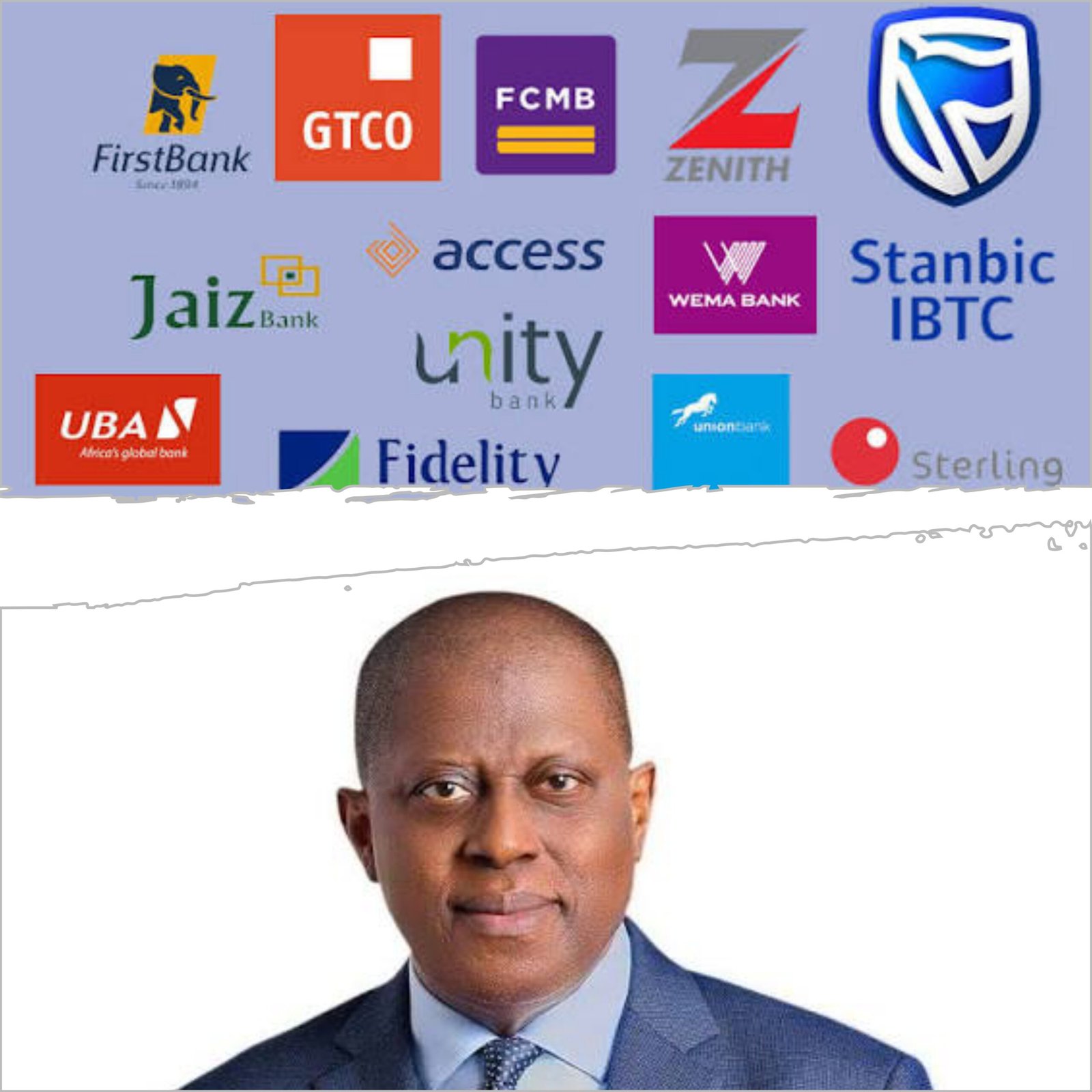
Governor of the Central Bank of Nigeria (CBN), Olayemi Cardoso, has disclosed that 20 out of the 33 deposit money banks that raised fresh capital have met the new recapitalisation requirements set by the apex bank.
Cardoso made the announcement on Tuesday at the end of the 304th Monetary Policy Committee (MPC) meeting held in Abuja, describing the progress as a significant step toward strengthening Nigeria’s banking sector.
According to him, members of the MPC acknowledged the importance of the ongoing recapitalisation exercise and commended banks that have successfully met the new capital thresholds.
He, however, urged institutions yet to comply to intensify their efforts to ensure timely completion of the process, stressing that full compliance across the industry would enhance financial system stability and resilience.
The CBN had introduced the recapitalisation programme as part of broader reforms aimed at positioning Nigerian banks to better absorb economic shocks, support large-scale financing, and compete effectively in regional and global markets.
Cardoso noted that a well-capitalised banking system remains critical to sustaining investor confidence, safeguarding depositors’ funds, and supporting long-term economic growth.
The recapitalisation drive is expected to reshape the competitive landscape of the banking industry, with analysts predicting possible mergers, acquisitions, and strategic partnerships among lenders seeking to meet regulatory requirements.