World News
TRUMP ADMINISTRATION MOVES TO DISMANTLE CORE U.S. CLIMATE REGULATION FRAMEWORK

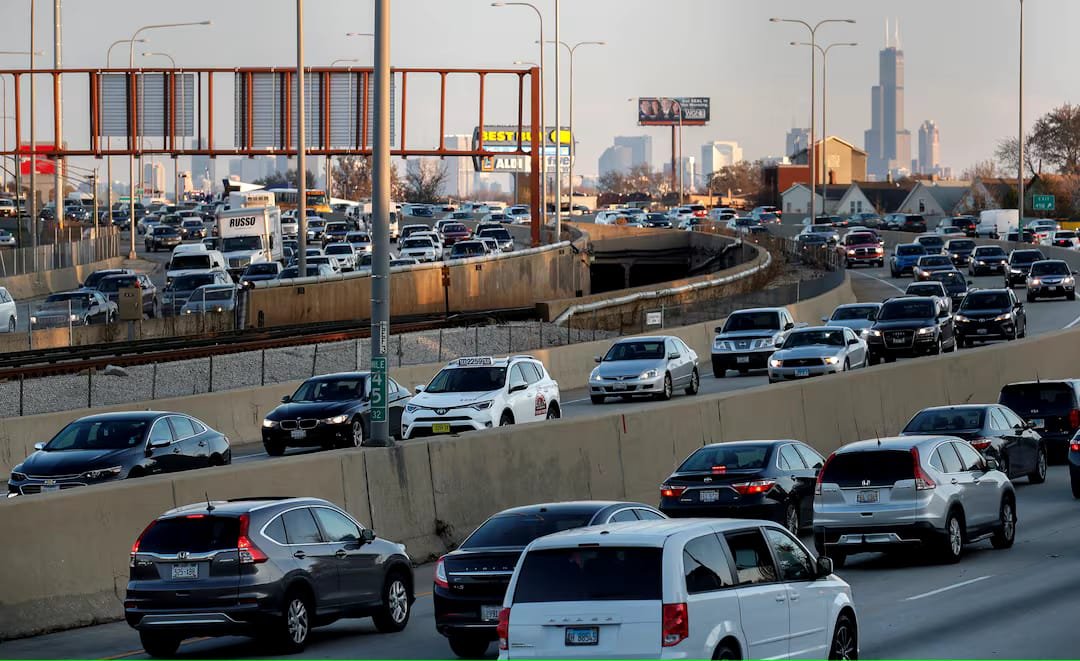
The Trump administration is set to overturn a landmark Obama-era scientific finding that has formed the backbone of the U.S. greenhouse gas regulation for more than a decade, the Environmental Protection Agency (EPA) has confirmed.
The finding, known as the 2009 Endangerment Finding, concluded that greenhouse gases such as carbon dioxide and methane pose a danger to human health and the environment. It provided the legal basis for federal limits on emissions from vehicles, power plants, and industrial facilities under the Clean Air Act.
By revoking the finding, the EPA would significantly weaken the federal government’s authority to regulate climate-warming emissions, clearing the way for a broad rollback of existing climate rules and making future regulations far more difficult to enforce.
The administration argues that the move will ease regulatory pressure on businesses and lower costs for consumers. However, environmental groups, scientists, and several U.S. states that it could lead to increased pollution, worsen public health outcomes, and spark years of legal battles.
Beyond the United States, the decision could have global implications. As one of the world’s largest historical emitters of greenhouse gases, U.S. climate policy plays a major role in international efforts to limit global warming. Analysts say the rollback could undermine global climate targets and weaken the U.S. credibility in climate diplomacy and slow momentum toward meeting temperature-reduction goals set under international agreements.
Some states, including California, are already preparing to strengthen their own climate policies, potentially creating a fragmented regulatory landscape as federal oversight retreats.
The EPA’s proposal is expected to face strong opposition and legal challenges, setting the stage for a high-stakes battle over the future of climate regulation in the United States and its ripple effects worldwide.