
International
Two Indian LPG Ships Exit Gulf Safely Amid Rising Regional Tensions

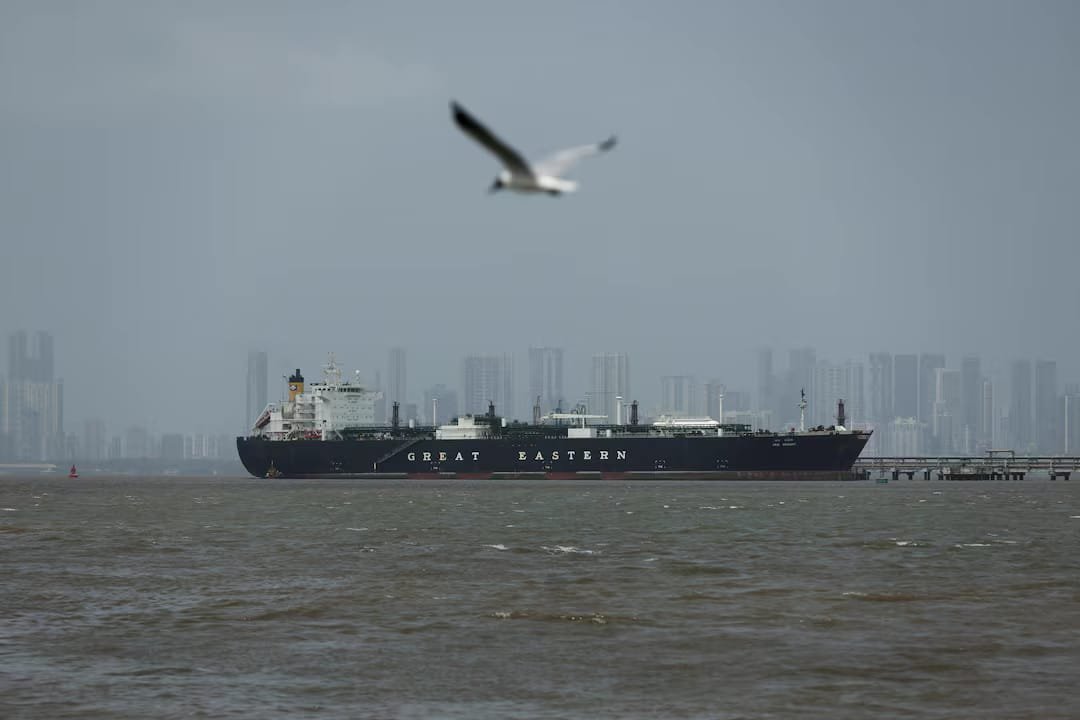
At least two Indian-flagged liquefied petroleum gas (LPG) carriers have successfully exited the Gulf region, according to maritime tracking data, signalling cautious movement in one of the world’s most critical energy corridors.
Data from global ship-tracking platforms indicates that the vessels navigated through the strategically vital Strait of Hormuz and are now en route to their respective destinations outside the Gulf. The movement comes amid heightened geopolitical tensions in the region, particularly involving Iran and Western powers, which have raised concerns over the safety of commercial shipping.
Industry analysts note that while the passage of the vessels suggests that maritime traffic is still ongoing, many shipping companies remain on high alert. The Strait of Hormuz, a narrow chokepoint between the Persian Gulf and the Gulf of Oman, handles a significant percentage of the world’s oil and gas shipments, making any disruption a global economic concern.
Multiple reports suggest that shipowners are increasingly relying on real-time tracking data, naval advisories, and risk assessments before making transit decisions. Some operators have reportedly delayed or rerouted shipments due to fears of potential escalation in the region.
Despite the risks, energy exports, including LPG shipments, have not come to a complete halt. Analysts say this reflects the delicate balance between maintaining global energy supply chains and ensuring the safety of crew and cargo.
Authorities in India have yet to issue an official statement regarding the specific vessels, but the country remains one of the largest importers of LPG, making such developments closely watched by both government officials and industry stakeholders.
Experts warn that any further escalation in the Gulf could lead to increased insurance costs, shipping delays, and potential spikes in global energy prices.