
General News
UNICEF: Nigeria Registers 14 Million Births in Two Years

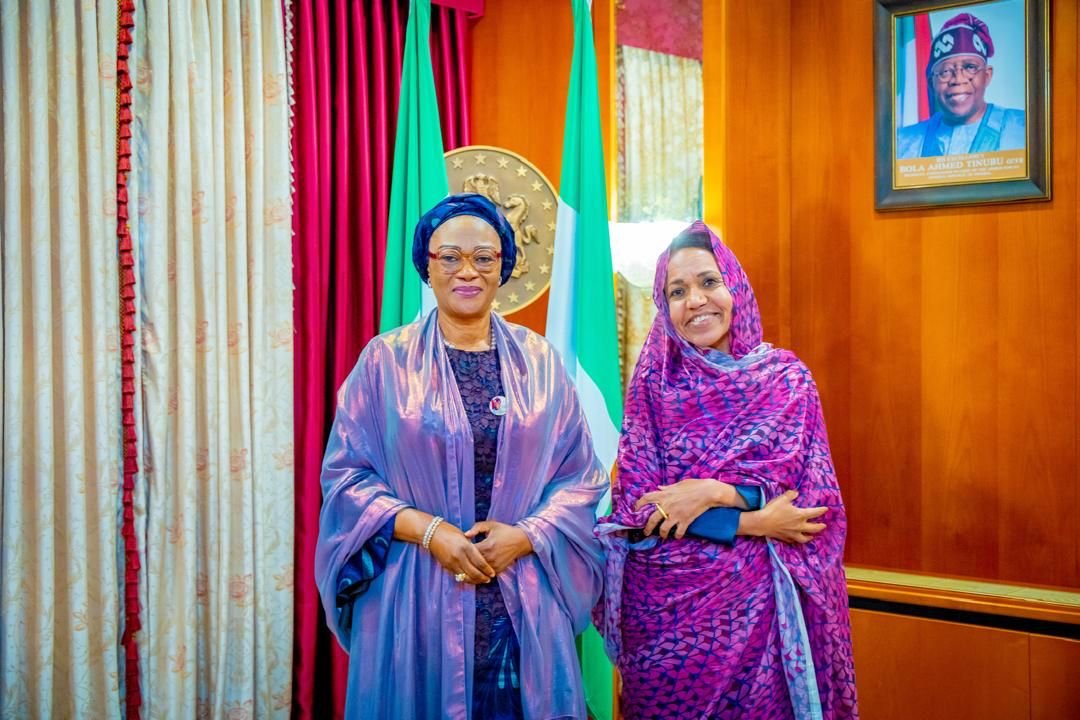
The United Nations Children’s Fund (UNICEF) says Nigeria has recorded a significant increase in birth registration over the past two years, with 14 million children officially registered.
UNICEF Country Representative to Nigeria, Wafaa Saeed Abdelatef, disclosed this during a courtesy visit to Nigeria’s First Lady, Oluremi Tinubu, at the State House in Abuja on Friday.
Abdelatef described birth registration as the first right of every child, noting that it ensures children are counted, recognised, and legally identified. She said the progress recorded in Nigeria within two years is remarkable.
“Birth registration is the first right of every child to be counted and recognised. I have served in many places, but I have not seen this level of progress achieved within two years,” she said.
She added that the birth registration system is being digitalised at health facilities nationwide to improve efficiency and access.
According to her, a bill currently before the National Assembly is also expected to strengthen the process, attributing the progress to strong national leadership.
Abdelatef commended the First Lady for her leadership and commitment to initiatives that impact children and families across the country.
She also referenced her participation at events hosted by the First Lady, including the launch of a food bank and engagements linked to the Renewed Hope Agenda.
In her remarks, Tinubu acknowledged UNICEF’s longstanding support to Nigeria, emphasising that birth registration must continue until every Nigerian child is documented.
“Every child counts,” she said, stressing that legal identity and nationality are essential for integrating children into health and social services.
The First Lady said she was encouraged by the progress recorded but noted that more work remains to be done.
“We have to keep at it and make sure that every child is counted. It is not just about birth registration alone; we are also looking at birth certificates,” she said.
Tinubu also highlighted the importance of accurate population data, noting that Nigeria has not conducted a census in many years. She said focusing on registering children would help the government better plan for health, education, and other social services.
While expressing satisfaction with improvements in birth registration, the First Lady raised concerns over the high rates of tuberculosis, HIV/AIDS, and child and maternal mortality in the country.
“Nigeria has a huge population.
When it comes to tuberculosis, HIV/AIDS, and child and maternal mortality, the numbers are still high, and that is worrisome,” she said.
She, however, assured that the current administration is taking steps to address these challenges and position the country for a better future.
Tinubu thanked UNICEF for its continued partnership and pledged further collaboration, noting that the organisation has consistently provided reliable data to support government planning and policy implementation.