
Health
US SET TO WITHDRAW FROM WORLD HEALTH ORGANIZATION AMID ACCUSATIONS OF MISMANAGEMENT


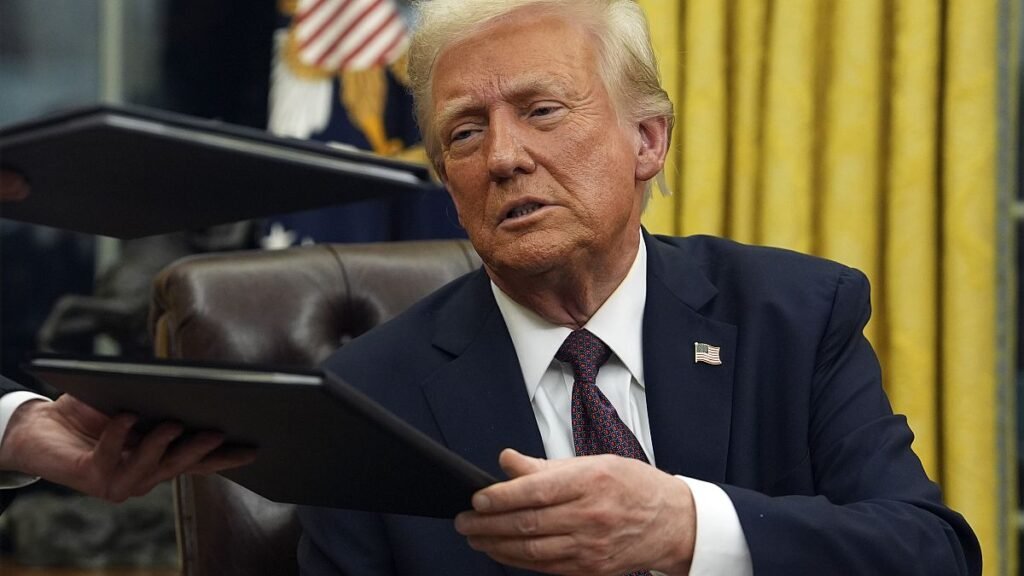
The United States is set to withdraw from the World Health Organization (WHO) after President Donald Trump signed an executive order on Monday, citing the agency’s mishandling of the COVID-19 pandemic and other international health crises.

Trump accused the WHO of failing to act independently from the “inappropriate political influence of WHO member states” and requiring “unfairly onerous payments” from the US that are disproportionate to the sums provided by other, larger countries, such as China. “World Health ripped us off, everybody rips off the United States. It’s not going to happen anymore,” Trump said.

The WHO expressed regret over the US decision, with spokesperson Tarik Jasarević stating, “We hope that the United States will reconsider, and we really hope that there will be constructive dialogue for the benefit of everyone, for Americans but also for people around the world.”
The US withdrawal will trigger a 12-month notice period, during which the country will stop all financial contributions to the WHO. The US is the WHO’s biggest financial backer, contributing around 18% of its overall funding. The move is likely to put at risk programs tackling tuberculosis, HIV/AIDS, and other health emergencies.
Experts warn that the US departure will weaken the WHO and isolate the US when global health challenges demand unity. The Bill and Melinda Gates Foundation, the next-largest donor to the WHO, has pledged to continue supporting the agency. Germany, the next-largest state donor, has also expressed hope that the US will reconsider its decision.
The US withdrawal from the WHO is not unexpected, as Trump had previously taken steps to quit the body in 2020. However, the move was halted by President Joe Biden on his first day in office.
SOURCE: Reuters











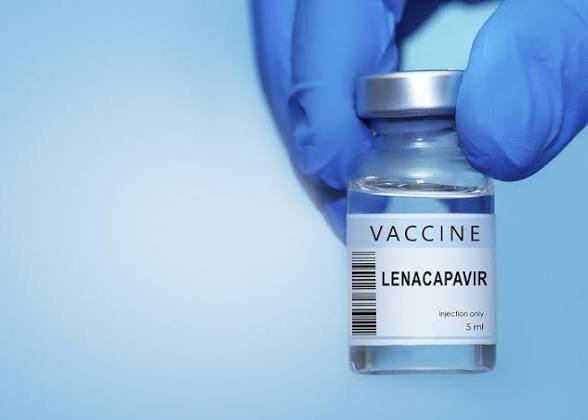
The National Agency for the Control of AIDS (NACA) has cautioned that the newly introduced twice-yearly HIV prevention injection, Lenacapavir, is not recommended for pregnant women due to insufficient safety data.
Director-General of NACA, Temitope Ilori, gave the advisory on Monday during a media briefing in Abuja, organised by the National HIV, Viral Hepatitis and Sexually Transmitted Infections Control Programme under the Federal Ministry of Health and Social Welfare.
“Even though LenPrEP is considered very safe based on global studies, it is not recommended for pregnant women,” Ilori said, stressing that the drug is strictly for prevention known as pre-exposure prophylaxis (PrEP) and not for treating existing HIV infections.
The drug, Lenacapavir, developed by Gilead Sciences, is administered via injection twice a year and is seen as a major breakthrough in HIV prevention, especially for individuals who struggle with daily oral PrEP adherence. Clinical trials have shown near-total protection against HIV among high-risk groups.
Nigeria recently received 11,520 doses through support from the Global Fund, marking the beginning of a phased nationwide rollout. Preparations, including regulatory clearance by National Agency for Food and Drug Administration and Control (NAFDAC), healthcare worker training, and community sensitisation, are already underway.
National Coordinator of the programme, Adebobola Bashorun, said efforts are ongoing to expand access, particularly among vulnerable populations.
“As we scale up, we are exploring catalytic funding to increase doses and reach those most at risk,” he said, adding that Lenacapavir will complement existing prevention tools rather than replace them.
Bashorun noted that reported side effects have been mild, mainly injection-site reactions such as pain or swelling, while authorities continue close monitoring for any adverse outcomes.
Minister of State for Health, Iziaq Salako, attributed the availability of the drug to partnerships with global donors and expressed optimism about future local production through technology transfer.
Despite its promise, officials warned that Lenacapavir does not protect against other sexually transmitted infections, including hepatitis, syphilis, or gonorrhoea. Users are therefore advised to maintain safer-sex practices, including condom use.
Nigeria continues to bear a significant HIV burden, with about 1.9 million people living with the virus and an adult prevalence rate of roughly 1.3%. While treatment coverage has improved, prevention gaps remain, particularly among young people and key populations.
Health authorities describe Lenacapavir as a potential “game-changer” in reducing new infections but stress that its success will depend on equitable access, sustained funding, and effective integration into the country’s broader HIV response strategy.
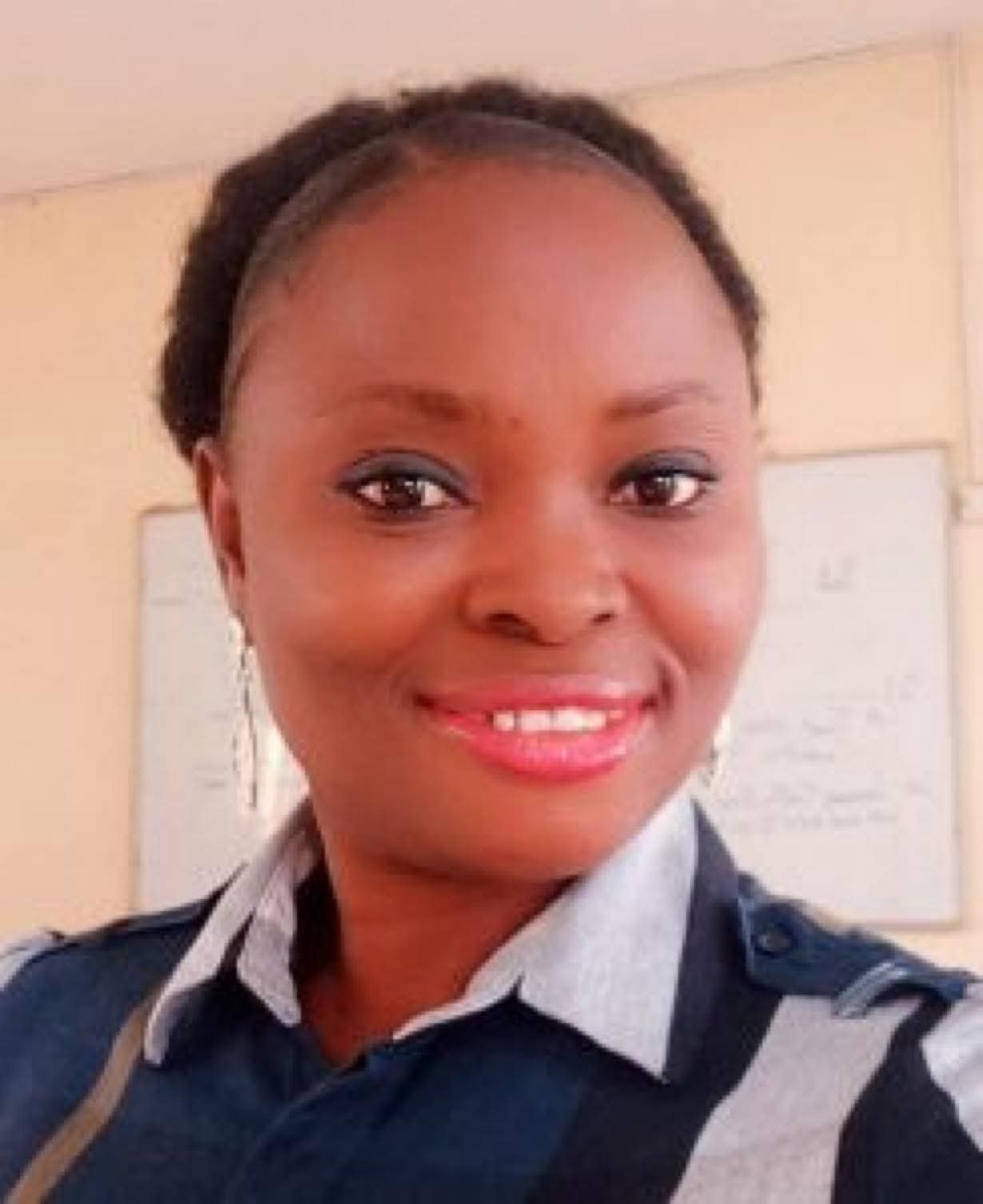
A Nigerian-born senior dietitian, Ifeyinwa Chizube Ndulue-Nonso, has been dismissed from her role in the United Kingdom after a tribunal found she misrepresented her qualifications and demonstrated serious gaps in basic medical knowledge.
Ndulue-Nonso was employed by Manchester University NHS Foundation Trust in February 2024 after scoring 62 percent during her interview. However, concerns about her competence reportedly surfaced within days of resuming duty.
According to tribunal findings, she admitted to exaggerating her experience during the hiring process, stating she had “lied over her qualifications a bit,” which she attributed to cultural differences.
Her supervisor, Lorna Haywood, raised alarm over what she described as “extremely concerning” knowledge gaps, noting that the issues involved fundamental aspects of human anatomy and clinical practice.
Among the reported errors, Ndulue-Nonso allegedly stated that urine is stored in the gallbladder and that radiotherapy is used to treat heart failure. She was also said to have struggled with calculating body mass index (BMI) and incorrectly identified parts of the digestive system.
Further concerns emerged when she reportedly admitted to lacking practical experience in key procedures she had claimed familiarity with, including intravenous feeding and the use of nutritional supplements. She was also said to have failed to recognise a feeding tube in a patient and was observed searching online for basic medical terms during work hours.
She was suspended in March 2024 pending an investigation into her credentials. Disciplinary proceedings later found that 20 out of the 28 areas of expertise she claimed were not supported by her actual knowledge or experience.
Following the outcome, she has been barred from practising as a registered dietitian in the UK.
The case has raised broader concerns about recruitment processes and verification of professional qualifications in the healthcare sector.
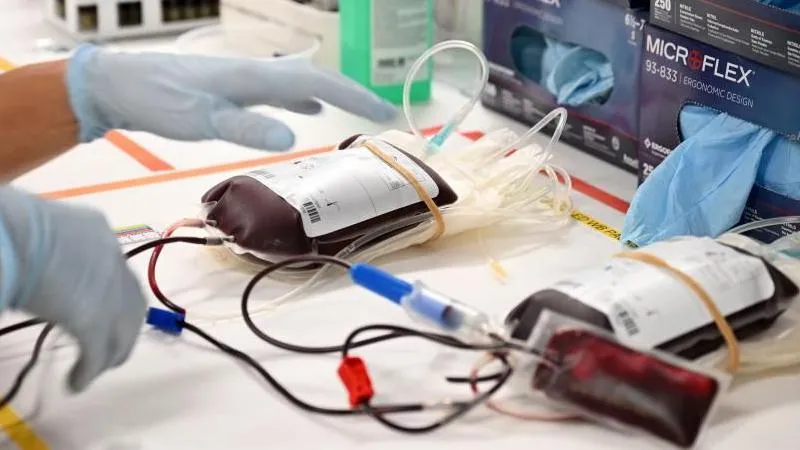
Jehovah’s Witnesses has updated its long standing policy on blood transfusions, now allowing members to have their own blood removed, stored, and later returned during medical procedures.
The adjustment means adherents can undergo planned surgeries involving the use of their own blood, but the group still prohibits receiving blood donated by others.
Gerrit Losch, a member of the movement’s leadership, announced the change, stating that each individual Christian must decide how their blood is used in medical and surgical care.
Despite the revision, the organisation emphasized that its core belief on the sanctity of blood remains unchanged. The doctrine is rooted in interpretations of biblical teachings, which followers say instruct believers to abstain from blood.
The development has drawn mixed reactions. Some former members argue the update does not go far enough, particularly in emergency situations where donated blood may be required to save lives.
In a recent legal case in Edinburgh, a court ruled that doctors could administer a blood transfusion to a 14 year old Jehovah’s Witness if necessary to preserve her life, despite her refusal on religious grounds. The judge held that such intervention would be in the child’s best interest.
Jehovah’s Witnesses, known globally for their door to door evangelism, number about nine million members worldwide, including roughly 144,000 in the United Kingdom.