
Agriculture
WHATEVER HAPPENED TO CHICKEN QUALITY IN NIGERIA?

by Frank Tietie
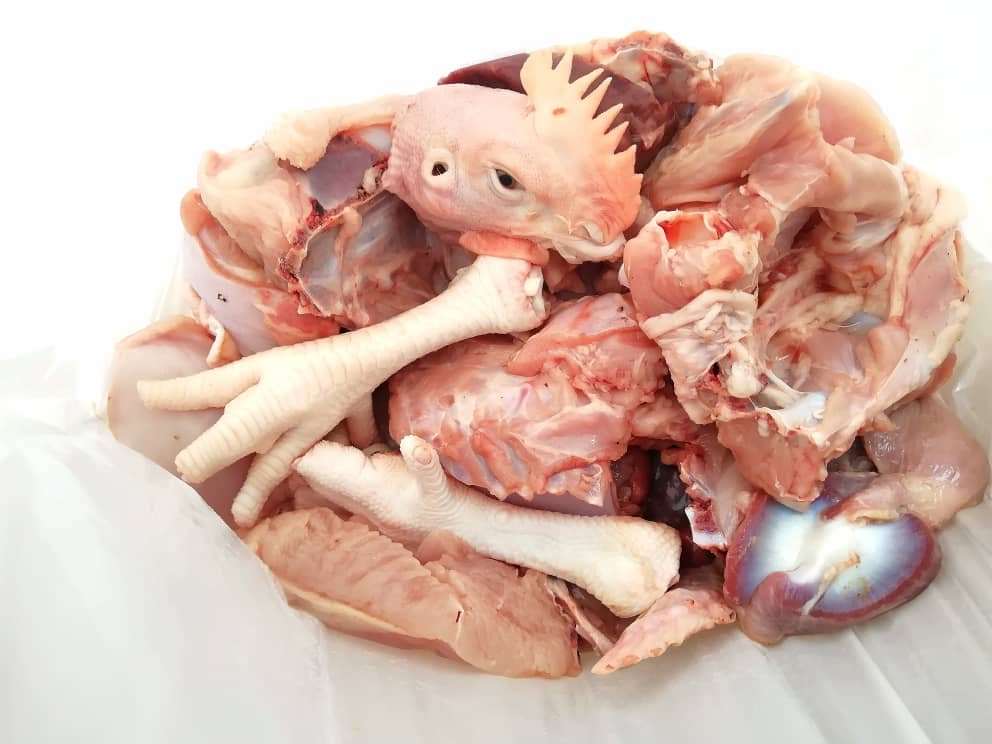
There was a time in Nigeria when the thought of chicken, especially during Christmas, triggered a deep, almost emotional anticipation. The aroma, the firmness of the meat, and that satisfying resistance between the teeth all combined into what many of us fondly remember as the real chicken experience. Today, that memory feels increasingly distant.
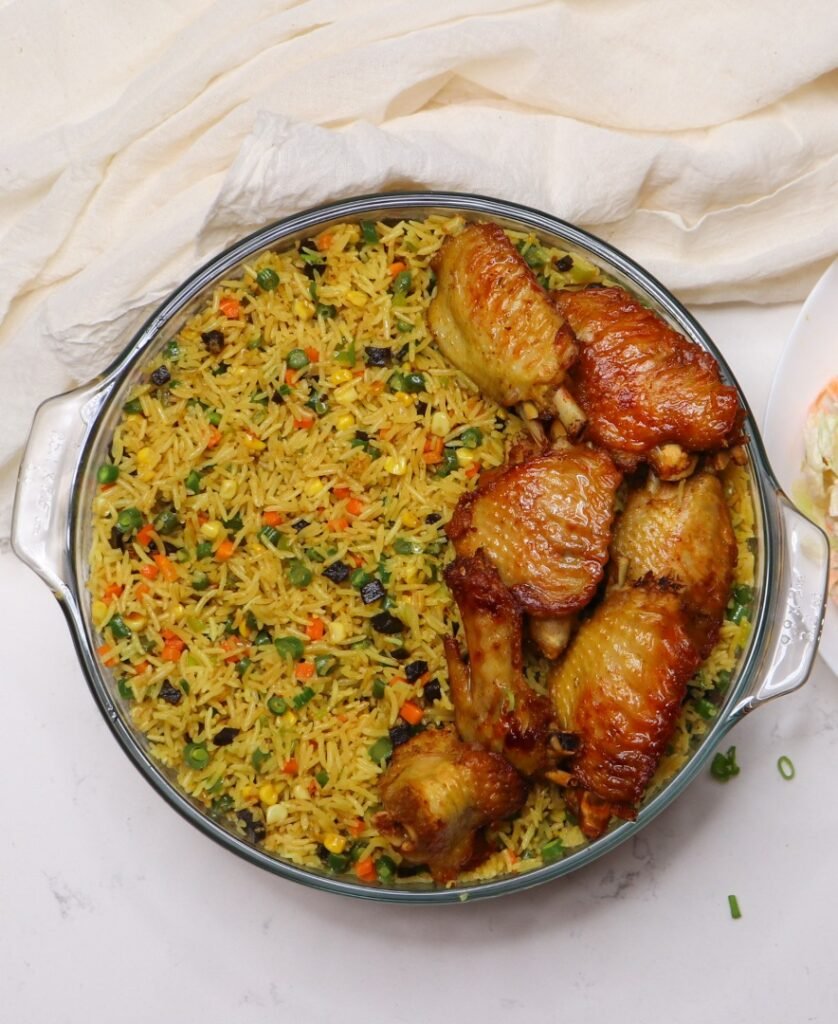
This festive season, the quality of chicken meat available to Nigerian consumers has become a source of genuine public concern. Chicken, once a delicacy eagerly awaited at celebrations, now too often disappoints. Unless one is fortunate enough to find genuine local chicken, mass-produced poultry has become a pale imitation of what chicken used to be in the 1980s and 1990s in Nigeria.
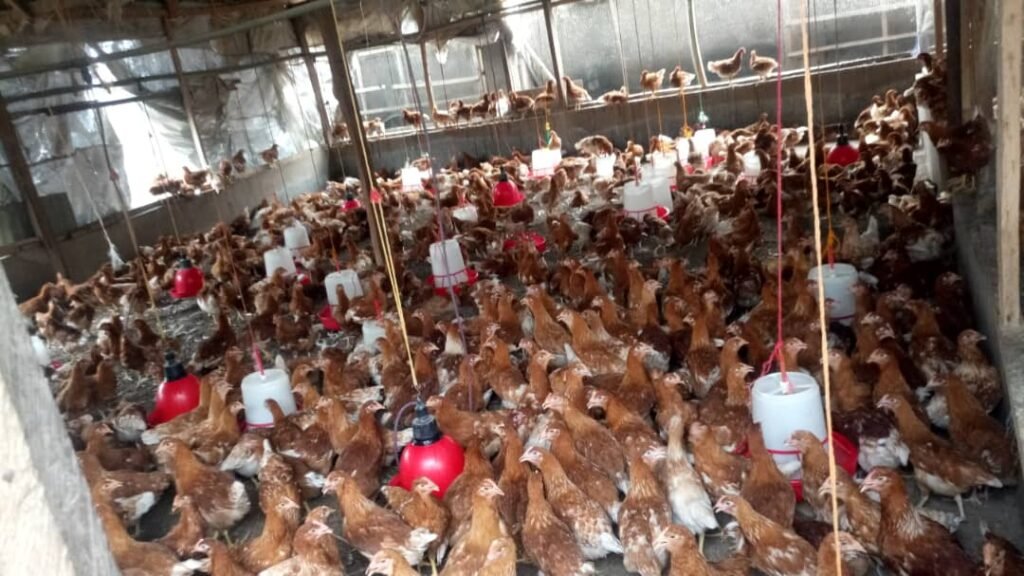
Mass production should never be a justification for reduced quality. Yet, what we increasingly see suggests exactly that. A situation where chicken is harvested after a few months of breeding, and its meat loses cohesion faster than iced fish, should alarm everyone, including consumers, regulators, and producers alike.
Chicken meat that falls apart unnaturally, lacks texture, and offers no chewing satisfaction raises serious questions about production practices, feed quality, processing standards, and regulatory oversight.
As a self-proclaimed supermarket enthusiast who regularly visits large stores and engages in both home cooking and large-scale cooking, I have observed firsthand the alarming proliferation of poor-quality chicken meat across major supermarkets in Abuja. This is not an isolated experience, as many households quietly complain, shrug, and carry on as if this decline in chicken quality were inevitable. It should not be so.
The real worry is not merely culinary disappointment; it is what this trend says about our collective standards as a people who may forget culture so quickly. How did we, as a typical African society, forget the good feeling of chewing proper chicken meat? How did something once eagerly looked forward to during Christmas become something we now tolerate rather than enjoy?
Food quality is not a thing of luxury. It is a matter of public health, consumer protection, and cultural dignity. Nigerians deserve value for their money and safety in what they consume. This is why it is time for the National Agency for Food and Drug Administration and Control (NAFDAC) to urgently look into this matter before we stage a social action.
Poultry production, processing, freezing, storage, and retail standards must be scrutinised with seriousness and transparency.
If regulatory intervention is firm and sincere, there is no reason why, by this time next year, chicken meat in Nigeria should not be positively different, meaning it should be firmer, tastier, safer, and worthy of our festive tables once again.
Christmas chicken should not be a gamble. It should be a thing of joy as we looked forward to it.

Frank Tietie
Lawyer, Public Affairs Analyst & Executive Director of Citizens Advocacy for Social and Economic Rights (CASER), writes from Abuja








President Bola Ahmed Tinubu has announced the composition of the boards for the National Agricultural Development Fund (NADF), the Bank of Agriculture (BOA), and the Universal Basic Education Commission (UBEC), marking a significant step in reinforcing key sectors of the economy.

In a statement, Special Adviser to the President on Information and Strategy, Bayo Onanuga, said, “President Tinubu has approved the appointments of board members for NADF, BOA, and UBEC to enhance their effectiveness in delivering on their mandates.” The statement detailed the extensive list of appointees across the three agencies.
For the UBEC board, Senator Umaru Tanko Al-Makura, appointed in July, continues to serve as chairman. Onanuga confirmed that other members include Uchendu Ikechi Mbaegbulem representing the South East, Gift Ngo representing the South South, Mrs Ibiwunmi Akinnola representing the South West, Dr Meiro Mandara representing the North East, Dr Abdu Imam Saulawa representing the North West, and Professor Paul Ibukun-Olu Bolorunduro representing the North Central. The chairman and members shall hold office for a term of four years in the first instance.
Regarding the Bank of Agriculture, President Tinubu confirmed the appointments of Muhammad Babangida as chairman and Ayo Sotinrin as managing director, as previously announced. Onanuga stated that the President also appointed three executive directors and five non-executive directors to the bank, representing Nigeria’s six geo-political zones. The executive directors are Fatima Garba from Sokoto as executive director, Corporate Services; Ka’amuna Ibrahim Khadi from Borno as executive director, Risk Management and Strategy; and Hakeem Oluwatosin Salami from Kwara as executive director, Operations. The non-executive directors include Aminu Malami Mohammed (North East), Charles Amuchienwa (South East), Oladejo Odunuga (South West), Rabiu Idris Funtua (North West), and Kochi Donald Iorgyer (North Central).
For the National Agricultural Development Fund, President Tinubu in October 2023 appointed Muhammad Abu Ibrahim as the executive secretary and CEO to lead the agency conceived by farmers and agripreneurs to boost access to affordable capital. In accordance with the Fund’s statute, Onanuga added that the President has now constituted the board members who will be pivotal to the agency’s work. Mallam Bello Maccido, the pioneer chairman of FBNQuest Merchant Bank Limited with over 30 years of experience in financial services, is the board chairman representing the North West. Other members include Dr Nelson Henry Essien, a prominent financial consultant and seasoned banker representing Akwa Ibom and the South-South; Amina Ahmed Habib, a fellow of the Institute of Chartered Accountants representing Jigawa and the North-West; Akinyinka Olufela Akinnola, an engineer with diversified business interests representing the South West; Hassan Tanimu Musa Usman from Borno, founder of New Frontier Developments Ltd and a former non-executive director of Access Bank, representing the North East; Lufer Samson Orkar from Benue representing North Central; and Felix Achibiri from Imo, Group Director of Genesis Energy Holdings and chairman and CEO of DFC Holdings Limited, representing the South East.
Onanuga emphasized that these appointments reflect President Tinubu’s commitment to ensuring robust leadership for agencies critical to agricultural development and basic education in Nigeria. The statement was issued on December 5, 2025.
Agriculture
FEDERAL GOVERNMENT PLANS TO TRANSFORM 417 GRAZING RESERVES INTO MINI-TOWNS WITH MODERN AMENITIES

The Federal Government of Nigeria has disclosed plans to transform the nation’s 417 grazing reserves into mini-towns equipped with stable power supply, schools, healthcare facilities, markets, abattoirs, road networks, water, sanitation, communication facilities, security, irrigation facilities, veterinary services, and feed production. Minister of Livestock Development, Idi Maiha, revealed this at a Memorandum of Understanding signing ceremony with the Rural Electrification Agency (REA) aimed at providing solar-powered grids to the reserves.
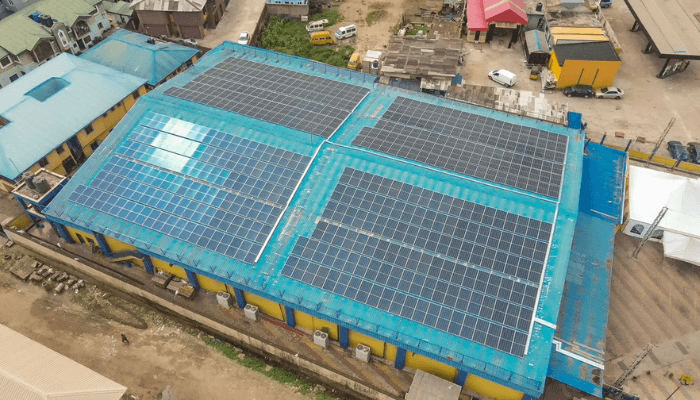
Maiha lamented that the grazing reserves have been abandoned for years, contributing to unsustainable nomadic practices and herder-farmer conflicts. “Since coming on board, this ministry has had an extensive tour of the 417 grazing reserves in the country. We have come up with a model, what we call Renewed Hope Livestock Village, where most of these grazing reserves are going to be rehabilitated with a number of social amenities,” Maiha said.
He explained the modernization aims to incentivize pastoralists to settle, reducing migrations and enhancing livestock sector development. “We will build earth dams, primary schools, primary health care for the families of the herders, veterinary clinics… and therefore, for the quality of life to improve… we need to energize those areas,” Maiha stated.
The Minister identified pilot locations including Wawazangi in Gombe State, Wasem in Plateau State, Gongoshin in Adamawa State, and Ka’u in Bwari Area Council, FCT. REA Executive Secretary Abba Aliyu described the partnership as a “marriage of convenience”, targeting clusters with development elements like healthcare, schools, and markets for renewable energy deployment.
“The rural electrification agency is powering Nigeria… We design programs to energize education, agriculture, security… and now livestock development,” Aliyu said. The rehabilitation will be phased, addressing varying reserve conditions, with the goal of boosting productivity and sustainability in Nigeria’s livestock sector.
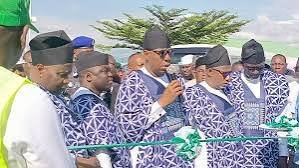
Governor Babagana Zulum of Borno State has commended the Taraba State Green House, popularly known as the Cucumber Farm, describing it as a revolutionary project that will strengthen food security and help tackle hunger in the North-East and across Nigeria.
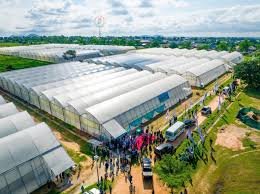
The project was commissioned during the North East Governors’ Forum summit in Jalingo, with Governor Agbu Kefas of Taraba State as the host. Other governors in attendance included Ahmadu Fintiri (Adamawa), Bala Mohammed (Bauchi), Inuwa Yahaya (Gombe), and Mai Mala Buni (Yobe). According to Emmanuel Bello, Special Adviser on Media and Digital Communications to Governor Kefas, the greenhouse is “one of the best greenhouses in the country” and features world-class technology that ensures vegetables are cultivated all year round, regardless of climatic conditions.

“The world-class technology ensures vegetables are cultivated all year long, regardless of climatic conditions. Apart from the famous green pepper, the world-class tomatoes here are among the best in the market—healthy, fleshy, and nutritious,” Bello said. The project is being driven by Ohad Shtilman and Eyal Tal, alongside a skilled TSI team, who have ensured that lessons were learned from the farm’s earlier collapse.

The governors expressed deep concern over a looming food shortage in the coming year and praised the Taraba State government for taking proactive steps to address the challenge. Bello noted that the project has already generated renewed interest from investors and buyers, with the market surging with prospects. “Experts say Taraba State has now become the headquarters of vegetables in the country,” he added.