International
World’s First Permanent Nuclear Waste Repository Set to Open in Finland

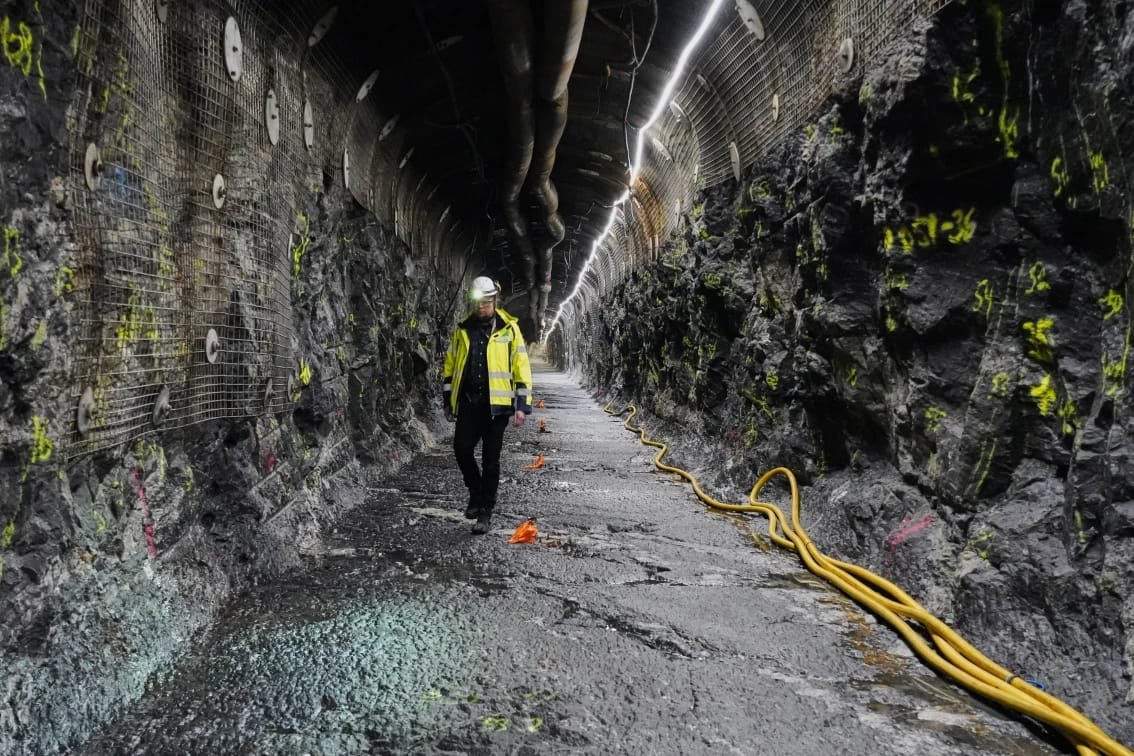
A groundbreaking nuclear waste project in Finland is set to make history, as authorities prepare to launch the world’s first permanent underground repository for spent nuclear fuel.
The facility, known as the Onkalo repository, is located on Olkiluoto Island and built deep within 1.9-billion-year-old bedrock; one of the most stable geological formations on Earth. The site sits approximately 430 meters underground and is designed to safely store highly radioactive waste for hundreds of thousands of years.
Developed by Finnish company Posiva, the €1 billion project has been in construction since 2004 and is expected to begin operations soon, pending final regulatory approval.
Once operational, the facility will hold up to 6,500 tonnes of spent nuclear fuel. The waste will be sealed in copper canisters and buried in tunnels lined with bentonite clay, a material chosen for its ability to absorb water and prevent leakage of radioactive material.
Finnish officials say the project represents a long-term solution to one of nuclear energy’s biggest challenges, how to safely dispose of radioactive waste. Under a 1994 national policy, Finland committed to managing and permanently disposing of its own nuclear waste domestically.
Experts note that while deep geological storage is widely considered the safest available option, uncertainties remain about how materials like copper will behave over extremely long timescales. Concerns have also been raised about ensuring future generations understand the dangers of buried waste, prompting research into long-lasting warning systems.
Globally, most nuclear waste is still stored temporarily above ground, making Finland’s approach a potential model for other countries. Projects in nations such as Sweden and France are still years away from completion.
If successful, the Onkalo repository could mark a turning point in nuclear energy policy, offering a permanent solution to a problem that has persisted since the dawn of nuclear power.