
Tech news
ZIMBABWEAN INVENTOR WOWS PRESIDENT MNANGAGWA WITH GROUNDBREAKING RADIO WAVE TECHNOLOGY


Zimbabwean inventor Maxwell Chikumbutso has unveiled a revolutionary technology that harnesses radio waves to power generators, motorbikes, and motor vehicles. Chikumbutso showcased his innovative microsonic energy device, which converts radio frequencies to pure energy, to President Emmerson Mnangagwa at State House.
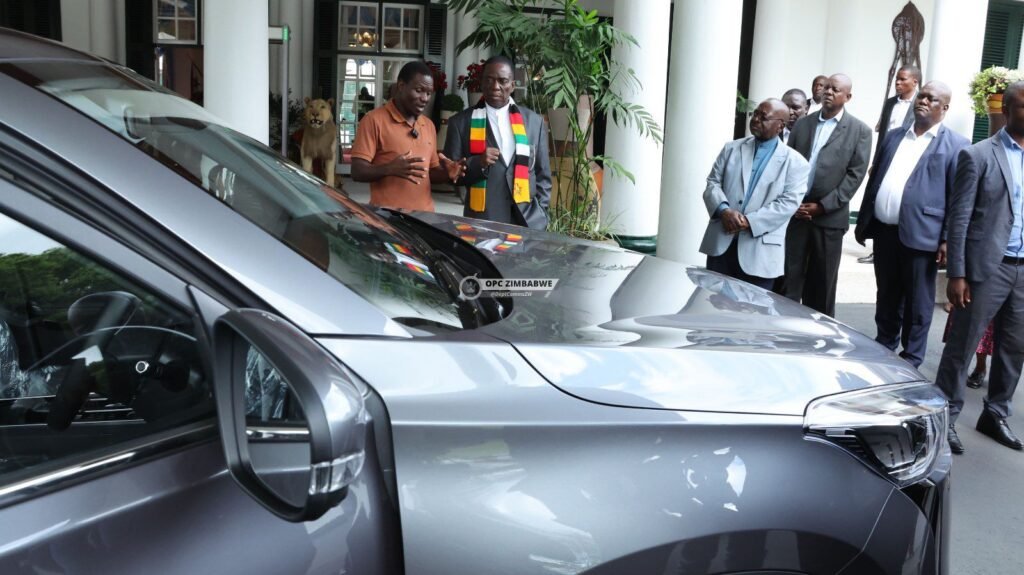
The President was impressed by the invention, praising Chikumbutso as a “brilliant inventor” whose work is a “first of its kind” globally. “Such talent needs to be cultivated and nurtured for the benefit of the nation,” Mnangagwa said. He also described the invention as a perfect actualization of the mantra “Nyika Inovakwa Nevene Vayo.”
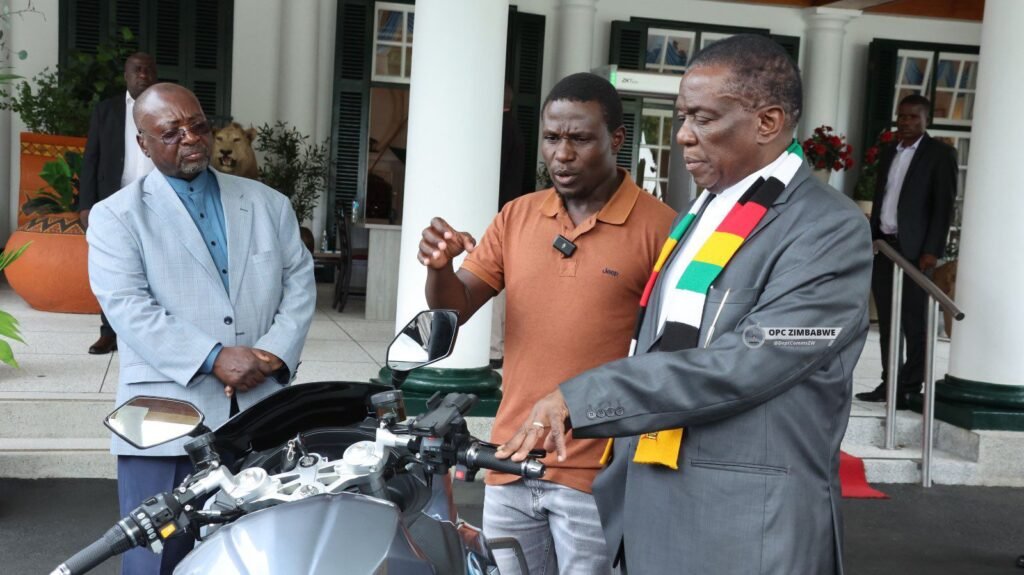
Chikumbutso’s technology uses naturally occurring radio frequencies available anywhere on earth and sea. His products, including a motor vehicle named the Saith, have generated significant interest worldwide and are set to be launched on February 10 in Zimbabwe.
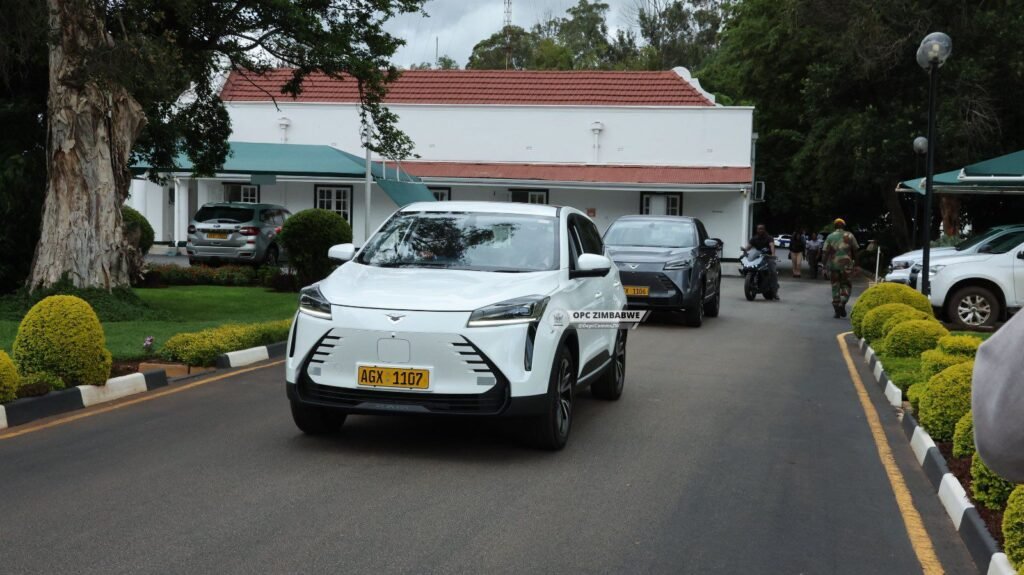
The Saith, developed in partnership with a Chinese company, boasts an unlimited drive range, top speed of 220km/h, and features a self-park and drive system, with manufacturing costs at US$14,000 per unit. Plans are underway to establish a vehicle manufacturing plant in Zimbabwe for vehicles using this technology.

In a landmark move, Commonwealth nations are set to adopt Nigeria’s National Board for Technology Incubation (NBTI) innovation model to drive inclusive growth across all 56 member states. This decision follows a high-level strategic meeting at the Nigerian High Commission in London on October 13, 2025, led by Dr. Kazeem Kolawole Raji, Director-General/CEO of NBTI, and hosted by Ambassador Abu-Obe Eche, Acting High Commissioner of Nigeria to the UK.

Chief Information and Public Relations Officer Olajumoke David confirmed in a statement that the engagement brought together Commonwealth Secretariat representatives and innovation partners to explore Nigeria’s proven approach. Dr. Raji emphasized that NBTI serves as a mechanism to transform grassroots creativity into commercially viable enterprises, addressing the investable project deficit. “Our research shows that the challenge is not the absence of capital, but the absence of investable, innovation-driven projects,” Dr. Raji said in a statement.
The NBTI model, through its Technology Incubation Programme, provides structured support like mentorship and access to investment networks, turning local innovations into globally competitive ventures. David noted that this aligns with the Commonwealth Secretariat’s Strategic Plan 2025–2030, including the C-RISE Framework and Commonwealth Investment Network, designed to scale innovation and investment collaboration.
Dr. Raji highlighted Nigeria’s leadership, pointing to the recent NextGen Innovation Challenge 2025 in London, where 105 Nigerian innovators were showcased. Mr. Al-Amin Muhammad Idris won the £1.5 million award, demonstrating African innovators’ potential for global impact. “This achievement shows that with the right support ecosystem, African innovators can lead the world,” Dr. Raji stated in a statement.
The Commonwealth delegation, led by Mr. Arif Zaman and Ms. Angela, praised the NBTI model as a practical framework for activating innovation ecosystems. David reiterated that Nigeria is prepared to lead this charge, with collaboration focused on operationalizing the C-RISE Framework ahead of the Commonwealth Heads of Government Meeting in Antigua and Barbuda in 2026.
A report titled “From Mandate to Momentum” outlines a Pan-Commonwealth strategy based on connecting markets, resourcing the ecosystem, and involving citizenry. The Commonwealth Investment Network will drive this agenda, replicating NBTI’s success through technical assistance and knowledge exchange.
Dr. Raji affirmed Nigeria’s commitment to shared prosperity, stating, “By sharing our experience through NBTI, we can help the Commonwealth turn innovation into investment and investment into shared prosperity.” David concluded that Nigeria’s model offers a practical solution for transforming ideas into investable realities across the Commonwealth.
General News
FIRST LADY OLUREMI TINUBU ADVOCATES ENHANCED DIGITAL LITERACY FOR WOMEN, INAUGURATES DIGITAL LEARNING CENTERS IN TEN STATES


On October 23, 2025, First Lady of Nigeria Senator Oluremi Tinubu virtually inaugurated ten Renewed Hope Initiative (RHI) and National Information Technology Development Agency (NITDA) Digital Learning Centers across ten states, emphasizing the importance of digital literacy for inclusive growth and youth empowerment. The centers are located in Abia, Delta, Edo, Kano, Katsina, Lagos, Nasarawa, Ondo, Yobe, and Zamfara States.
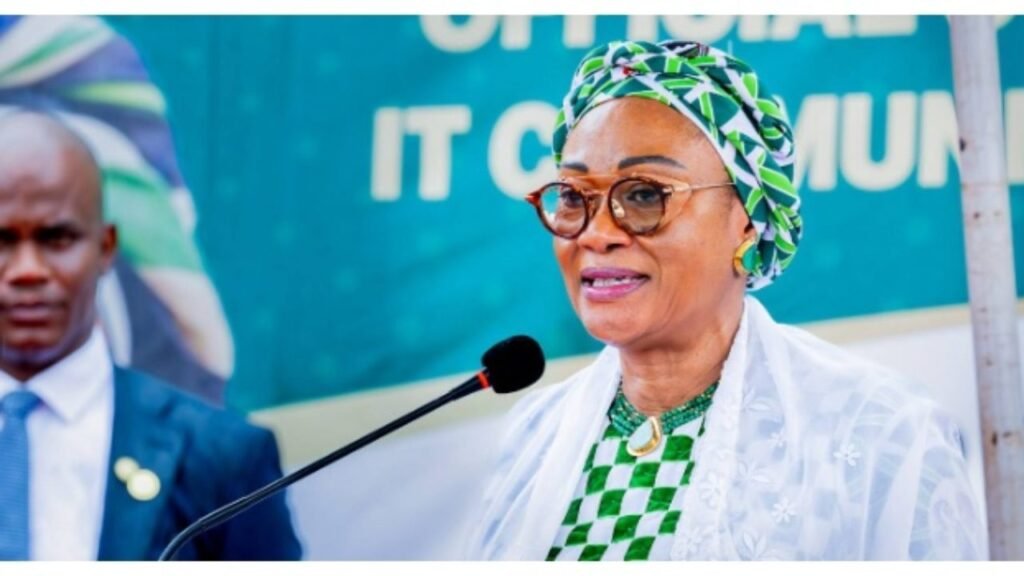
In a statement by the Senior Special Assistant on Media to the First Lady, Busola Kukoyi, Senator Tinubu highlighted that the sustained advancement of digital literacy is driving inclusive growth in the country. She urged members of the beneficiary communities to make good use of these facilities to enhance learning, creativity, and entrepreneurship, thereby improving livelihoods and contributing to national development. Kukoyi stated that the commissioning aligns with the mandate of the Federal Ministry of Communications, Innovation, and Digital Economy to expand digital access, providing communities with resources to develop ICT skills and participate meaningfully in the digital economy. This initiative supports the Renewed Hope Agenda of President Bola Ahmed Tinubu to accelerate economic diversification through industrialization and digitalization.
Senator Tinubu expressed optimism for the full actualization of digitizing sectors such as farming and petty trading, which would improve the ease of doing business and enhance profits. In his remarks, the Director General of NITDA, Mallam Kashifu Inuwa Abdullahi, noted that digital transformation is key to accelerating economic diversification and development. He said, “This signifies unlocking potentials across various sectors especially among women and youth”. Abdullahi added that RHI through its collaborations is empowering many Nigerians and is an enabler to drive national prosperity and inclusivity.
Wives of state governors from the benefitting states attended the virtual inauguration at their respective locations. Kukoyi highlighted that apart from the 296 centers already established under this administration, including 15 in collaboration with RHI, NITDA is working to build an additional 148 digital infrastructure in other parts of the country, with a total of 592 centers targeted by 2027.

TikTok, the popular Chinese-owned short-video app, has stopped working in the United States and disappeared from Apple and Google app stores. The sudden shutdown occurred on Saturday evening, just before a federal ban on the platform was set to take effect.
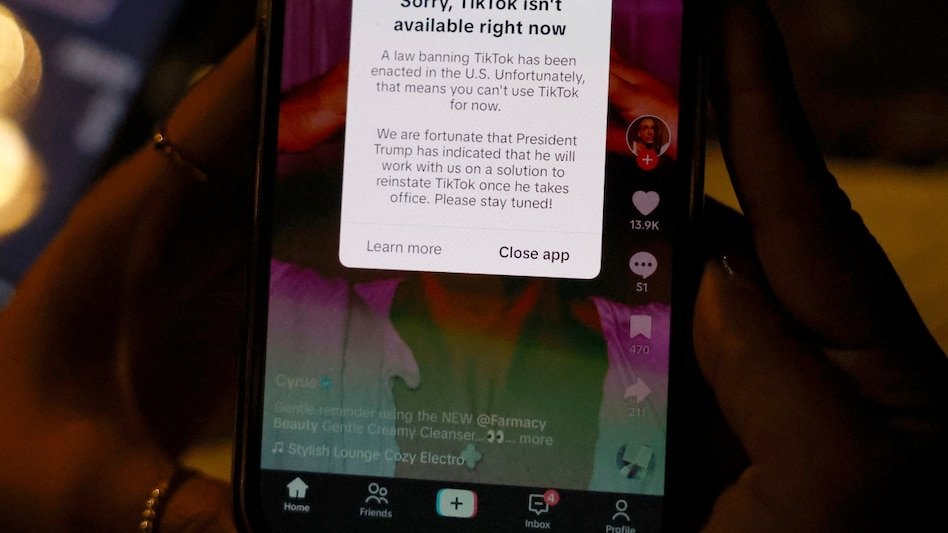
When users attempted to access the app, they were met with a pop-up message stating, “Sorry, TikTok isn’t available right now.” The message further explained, “A law banning TikTok has been enacted in the U.S. Unfortunately, that means you can’t use TikTok for now.”
In a surprising twist, the notice also mentioned that President-elect Donald Trump had indicated his willingness to work with TikTok to find a solution to reinstate the platform once he takes office. The company assured users to “stay tuned” for further updates.
Prior to the shutdown, TikTok had informed users that its service would be “temporarily unavailable” and that it was working to restore its U.S. service “as soon as possible.” However, the duration of the platform’s downtime remains uncertain.
The sudden disappearance of TikTok from US app stores has left many users wondering about the platform’s future in the country.