
Economy
FEDERAL GOVERNMENT UNVEILS MONTHLY REVENUE DASHBOARD TO TRACK INCOME AND EXPENDITURE

In what supporters describe as a bold transparency drive, the Federal Government has unveiled a monthly revenue dashboard designed to track income and expenditure across the three tiers of government, a move hailed as a potential game-changer in Nigeria’s fight against corruption and fiscal opacity. The initiative, introduced under the supervision of the Ministry of Finance, is expected to provide a public-facing template for monitoring allocations and spending patterns at Federal, State and Local Government levels.
Reacting to the development, the Tinubu Media Volunteers applauded the move, describing it as a decisive step toward accountability in public finance management. In a statement jointly signed by its Chairman, Chukwudi Enekwechi, and Secretary, Segun Ogedengbe, the group said the dashboard would significantly reduce corruption by exposing revenue inflows and deployment to greater public scrutiny. The Tinubu Media Volunteers noted that the dashboard becomes even more critical following the presidential executive order freeing up more oil revenues from NNPC Limited and the anticipated inflows from the newly implemented tax reforms.

According to the group, the digital monitoring framework will enable authorities to track the enormous resources expected to accrue to federal, state and local governments. The statement from the Tinubu Media Volunteers said, “We acknowledge that the federal government, under the auspices of the Ministry of Finance, has decided to utilise this template to monitor and track the enormous resources that would be accruing to the three tiers of government.” The group aligned itself with the position of the Minister of State for Finance, Doris Uzoka-Anite, expressing confidence that improved revenues would translate into more productive capital deployment.
The Tinubu Media Volunteers said it expects governments at all levels to prioritise capital expenditure over recurrent spending, channeling funds into infrastructure, agriculture, energy and other growth-stimulating sectors. By doing so, it argued, Nigeria could curb excessive consumption patterns, stimulate economic productivity and strengthen long-term development. Beyond infrastructure investment, the group projected that enhanced revenue transparency and increased inflows would help reduce debt burdens across the three tiers of government. It added that higher revenues could enable governments to clear outstanding arrears while boosting sectors capable of driving sustainable growth.
Crucially, the Tinubu Media Volunteers expressed optimism that the revenue dashboards would empower citizens to hold public officials accountable by providing clearer visibility into how funds are generated and spent. For years, calls for fiscal transparency have echoed across civil society platforms, with critics lamenting opaque allocation processes and weak monitoring structures. With the introduction of the monthly dashboard, supporters say the era of guesswork in public finance may be drawing to a close. Whether the platform delivers on its promise remains to be seen but one thing is clear: the Federal Government has placed revenue transparency squarely in the spotlight.




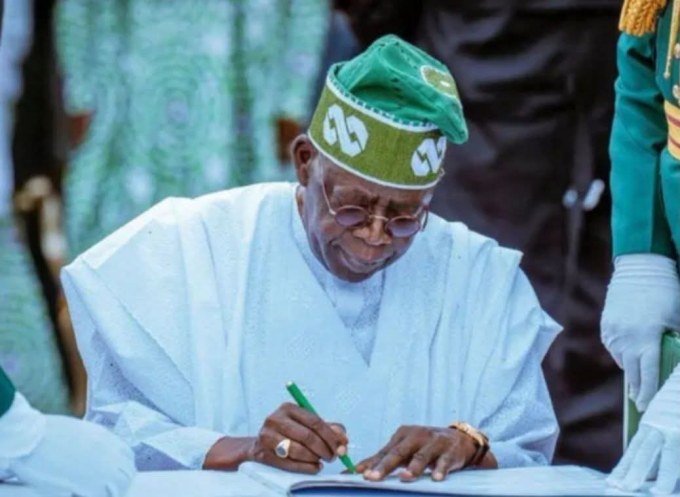

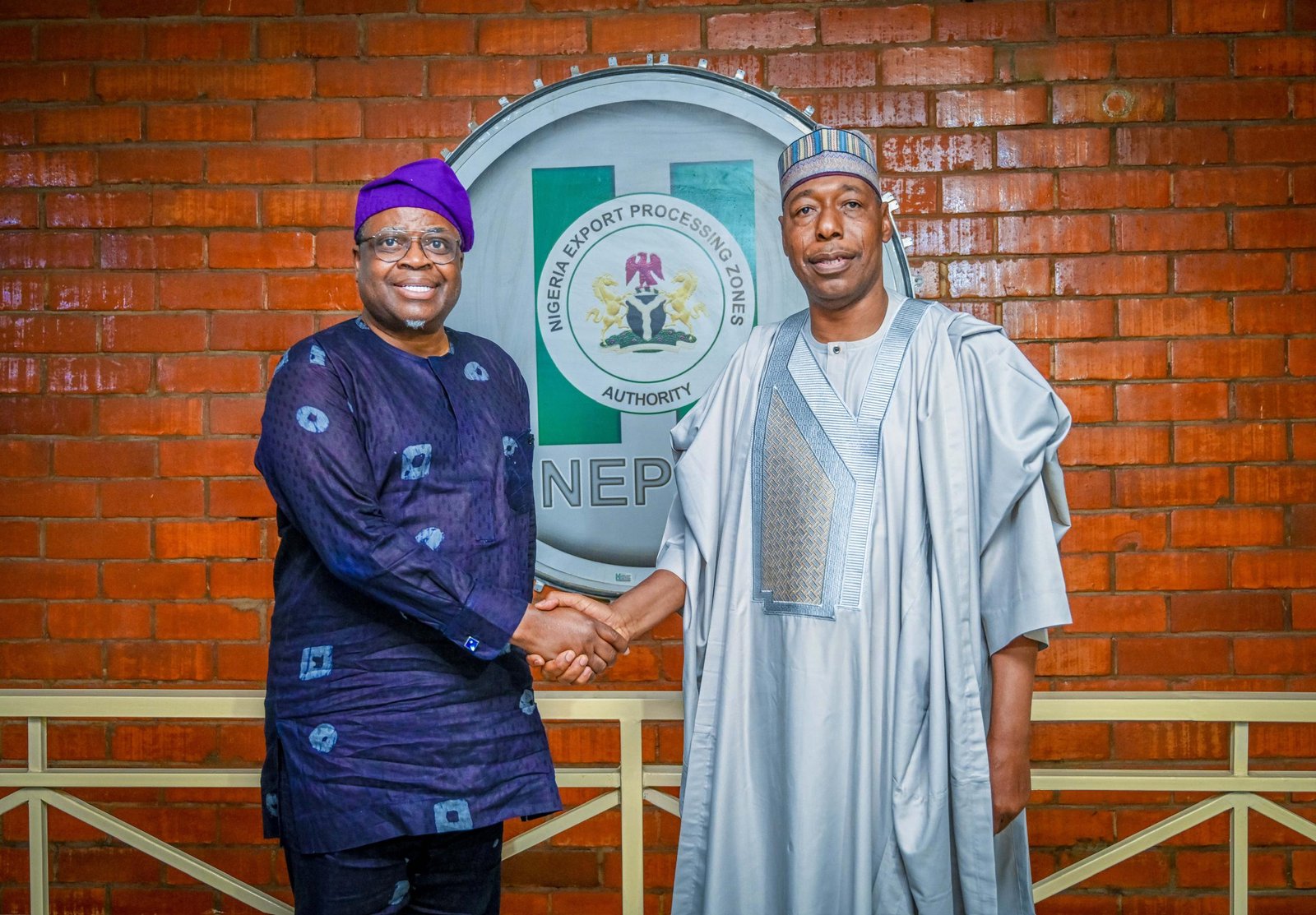
The Nigeria Export Processing Zones Authority (NEPZA) has reaffirmed its commitment to support the Borno State Government in revamping the moribund Banki Free Trade Zone (FTZ).
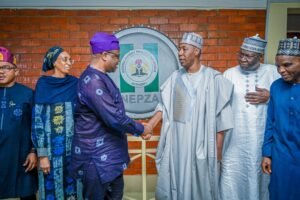
This was contained in a statement signed by Martins Odeh, Ph.D., Head, Corporate Communications, NEPZA, following a courtesy visit by the Governor of Borno State, Prof. Babagana Zulum, to the Authority in Abuja.
The Managing Director and Chief Executive Officer of NEPZA, Dr. Olufemi Ogunyemi, emphasised the urgent need to overhaul the zone, describing it as a strategic economic gateway between Nigeria and the Maghreb region. He noted that the Banki Border Free Trade Zone had remained inactive largely due to adverse natural occurrences such as flooding, as well as funding constraints and insecurity.
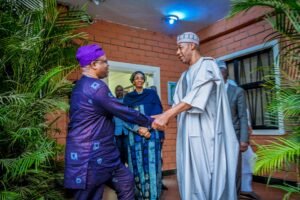
“We have agreed to leverage our expertise in attracting Foreign Direct Investment and providing technical assistance to transform this business ecosystem that has significant potential to economically empower the North Eastern region of our country,” Ogunyemi stated.
In his remarks, Governor Zulum expressed appreciation for NEPZA’s commitment to supporting the state’s efforts to revive, expand and reconstruct the zone to meet global standards.
“The state is prepared to make substantial investments in the zone and develop the essential physical infrastructure as we work to bring prosperity closer to our people,” Zulum said.
The governor also commended President Bola Ahmed Tinubu for his support of the free trade zone scheme, describing it as a viable pathway to economic growth and industrialisation.
“Let me thank His Excellency, President Ahmed Bola Tinubu, GCFR, for his support of the free trade zone scheme, as it is a sure way to boost economic growth and industrialisation, so we are here to take advantage of this,” he added.
In a related development, Chairman of the NEPZA Board, Sen. Tijjani Yahaya Kaura, said the newly constituted board was committed to ensuring the Authority continued to fulfil its mandate of promoting non-oil export growth through the free trade zone scheme.
Kaura, a former Minister of State for Foreign Affairs, made this known during the board’s maiden meeting held on Tuesday in Abuja.
“All the board members are pleased with their appointments, and we must thank the president for his leadership in helping us pursue the country’s export-driven ambitions,” he said.


Governor of the Central Bank of Nigeria (CBN), Olayemi Cardoso, has disclosed that 20 out of the 33 deposit money banks that raised fresh capital have met the new recapitalisation requirements set by the apex bank.
Cardoso made the announcement on Tuesday at the end of the 304th Monetary Policy Committee (MPC) meeting held in Abuja, describing the progress as a significant step toward strengthening Nigeria’s banking sector.
According to him, members of the MPC acknowledged the importance of the ongoing recapitalisation exercise and commended banks that have successfully met the new capital thresholds.
He, however, urged institutions yet to comply to intensify their efforts to ensure timely completion of the process, stressing that full compliance across the industry would enhance financial system stability and resilience.
The CBN had introduced the recapitalisation programme as part of broader reforms aimed at positioning Nigerian banks to better absorb economic shocks, support large-scale financing, and compete effectively in regional and global markets.
Cardoso noted that a well-capitalised banking system remains critical to sustaining investor confidence, safeguarding depositors’ funds, and supporting long-term economic growth.
The recapitalisation drive is expected to reshape the competitive landscape of the banking industry, with analysts predicting possible mergers, acquisitions, and strategic partnerships among lenders seeking to meet regulatory requirements.
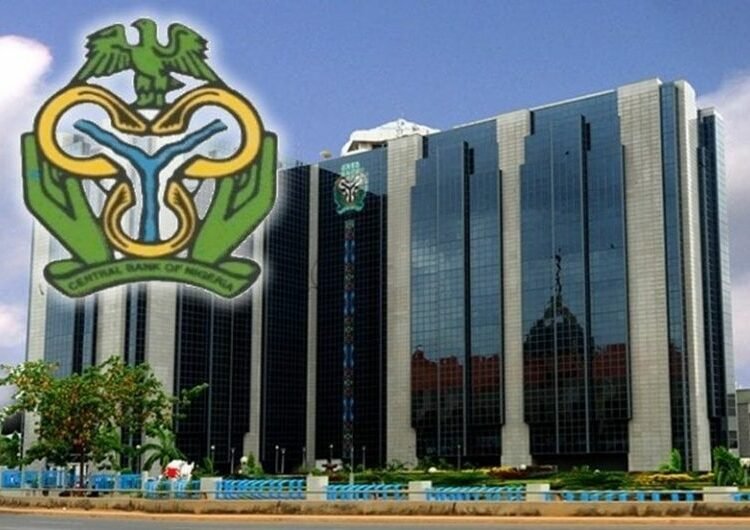
Nigeria’s gross external reserves have risen to $50.45 billion as of February 16, 2026, marking the highest level in 13 years, according to the Central Bank of Nigeria (CBN).
CBN Governor Olayemi Cardoso disclosed the figure during a high-level economic briefing after the Monetary Policy Committee (MPC) meeting, describing the development as a significant boost to the country’s macroeconomic stability.
The latest reserve position rivals levels last recorded in May 2013 and now provides 9.6 months of import cover far above the three-month benchmark widely regarded as adequate for external stability.
Key Drivers of the Reserve Growth
The apex bank attributed the increase to a combination of policy reforms and favourable external conditions between 2025 and early 2026.
Diaspora remittances played a major role, rising by 66 percent to an average of nearly $600 million monthly following reforms that streamlined licensing processes for International Money Transfer Operators (IMTOs).
Nigeria also posted a $3.42 billion current account surplus in late 2025, supported by improved non-oil export performance and reduced demand for refined petroleum imports.
In the oil sector, crude production climbed to 1.46 million barrels per day in January 2026. The implementation of the Tinubu administration’s executive order on direct remittance of oil revenues also ensured that more foreign exchange earnings flowed directly into government accounts.
The CBN noted that its recent position as a “net buyer” of foreign exchange purchasing more dollars from the market than it sells signals renewed private capital inflows and strengthening investor confidence.
Implications for the Naira
Analysts say the stronger reserve buffer provides greater firepower to defend the naira and manage volatility in the foreign exchange market.
The gap between the official and parallel market exchange rates has narrowed to under two percent, one of the tightest spreads in decades, reflecting improved liquidity and rate convergence.
With nearly 10 months of import cover, monetary authorities are seen as better positioned to cushion external shocks without significant pressure on the currency.
Some industry leaders, including Aliko Dangote, have projected that the naira could strengthen toward ₦1,100 to the dollar by the end of 2026 if current trends are sustained.
The development underscores growing confidence in Nigeria’s external position, even as policymakers maintain a cautious stance to preserve price and exchange rate stability.