
Business
Nigeria’s External Reserves Climb to $50.45bn, Highest in 13 Years

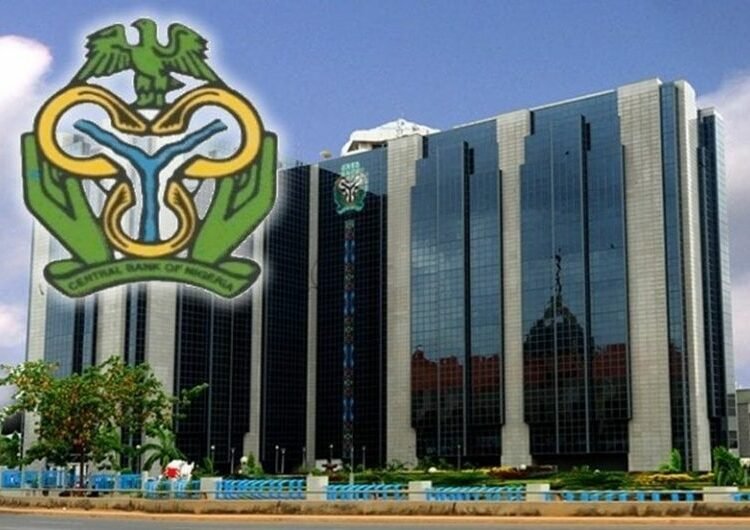
Nigeria’s gross external reserves have risen to $50.45 billion as of February 16, 2026, marking the highest level in 13 years, according to the Central Bank of Nigeria (CBN).
CBN Governor Olayemi Cardoso disclosed the figure during a high-level economic briefing after the Monetary Policy Committee (MPC) meeting, describing the development as a significant boost to the country’s macroeconomic stability.
The latest reserve position rivals levels last recorded in May 2013 and now provides 9.6 months of import cover far above the three-month benchmark widely regarded as adequate for external stability.
Key Drivers of the Reserve Growth
The apex bank attributed the increase to a combination of policy reforms and favourable external conditions between 2025 and early 2026.
Diaspora remittances played a major role, rising by 66 percent to an average of nearly $600 million monthly following reforms that streamlined licensing processes for International Money Transfer Operators (IMTOs).
Nigeria also posted a $3.42 billion current account surplus in late 2025, supported by improved non-oil export performance and reduced demand for refined petroleum imports.
In the oil sector, crude production climbed to 1.46 million barrels per day in January 2026. The implementation of the Tinubu administration’s executive order on direct remittance of oil revenues also ensured that more foreign exchange earnings flowed directly into government accounts.
The CBN noted that its recent position as a “net buyer” of foreign exchange purchasing more dollars from the market than it sells signals renewed private capital inflows and strengthening investor confidence.
Implications for the Naira
Analysts say the stronger reserve buffer provides greater firepower to defend the naira and manage volatility in the foreign exchange market.
The gap between the official and parallel market exchange rates has narrowed to under two percent, one of the tightest spreads in decades, reflecting improved liquidity and rate convergence.
With nearly 10 months of import cover, monetary authorities are seen as better positioned to cushion external shocks without significant pressure on the currency.
Some industry leaders, including Aliko Dangote, have projected that the naira could strengthen toward ₦1,100 to the dollar by the end of 2026 if current trends are sustained.
The development underscores growing confidence in Nigeria’s external position, even as policymakers maintain a cautious stance to preserve price and exchange rate stability.