
Business
Solar Demand in Africa and Asia Fuels China Export Spike Despite April Price Hike Concerns

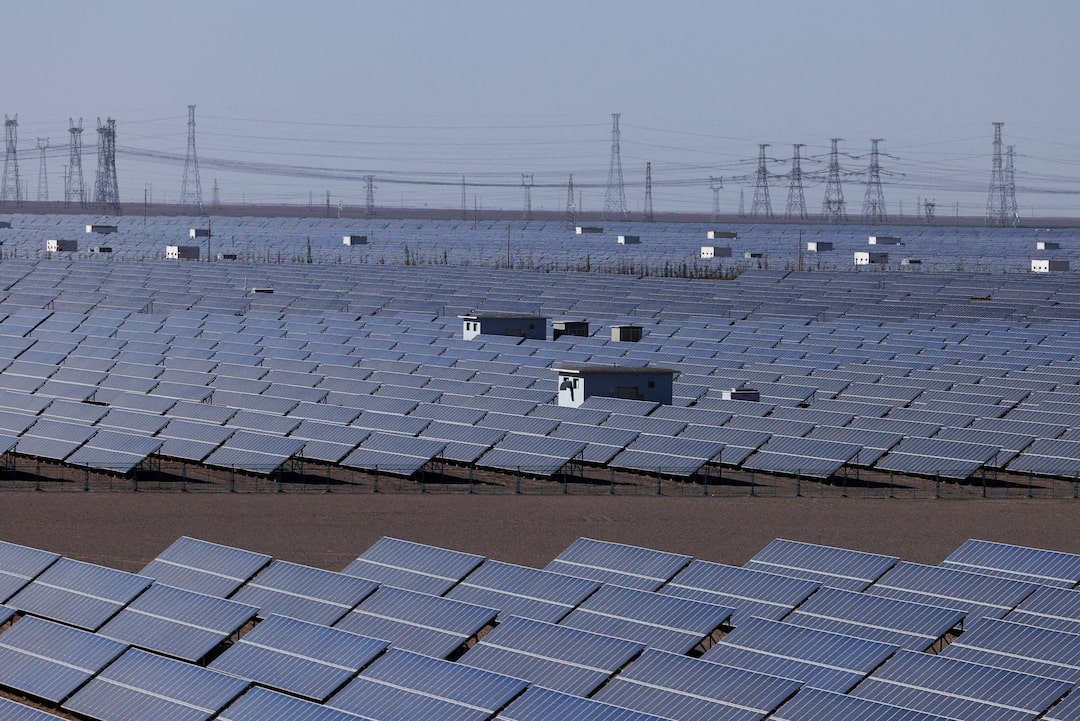
China’s solar exports to Africa and Southeast Asia recorded a sharp increase in April, highlighting sustained global demand for renewable energy even as manufacturers faced concerns over rising export costs following policy changes and pricing pressures.
According to China customs data, solar panel and component shipments continued to rise year-on-year, extending a strong trend that had already peaked in March. The growth was particularly driven by developing markets in Africa and Southeast Asia, where governments and private buyers are rapidly expanding access to solar energy.
In March alone, Chinese solar exports hit record levels, with shipments rising significantly as buyers rushed to import equipment ahead of an April 1 policy shift that removed export tax rebates, effectively increasing prices. The surge was also supported by elevated global energy costs and disruptions in fossil fuel markets, which boosted demand for alternative energy sources.
Africa and Southeast Asia accounted for the largest share of growth. Southeast Asian imports jumped sharply year-on-year, while African imports also surged, with countries such as Nigeria, Kenya, Ethiopia, and the Democratic Republic of Congo emerging as key destinations for Chinese solar technology.
Analysts say the export boom reflects both structural and short-term factors. On one hand, rising energy security concerns and high oil and gas prices have strengthened long-term demand for solar power. On the other hand, the April spike was partly driven by buyers accelerating purchases before the removal of China’s export tax incentives, which increased costs.
Despite expectations that exports may moderate following the March peak, experts believe demand from emerging markets will remain strong throughout 2026, as countries across Africa and Asia continue to invest in off-grid electrification and renewable energy expansion.
Trade barriers in Western markets have also contributed to redirecting Chinese solar exports toward developing regions, further strengthening Africa and Southeast Asia’s position as key growth markets.