General News
FG SET TO REMOVE ELECTRICITY SUBSIDY, NIGERIANS TO FACE HIGHER TARIFFS
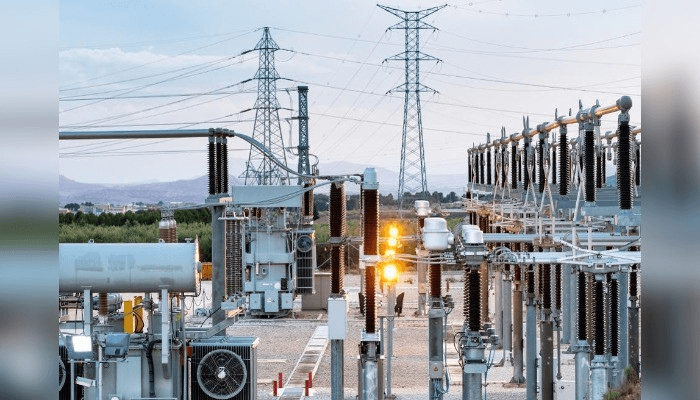
The Federal Government has announced plans to remove electricity subsidies, warning Nigerians to prepare for higher tariffs. Minister of Power, Adebayo Adelabu, stated that the country’s economy can no longer sustain subsidies, emphasizing that “our economy cannot sustain subsidies indefinitely.”
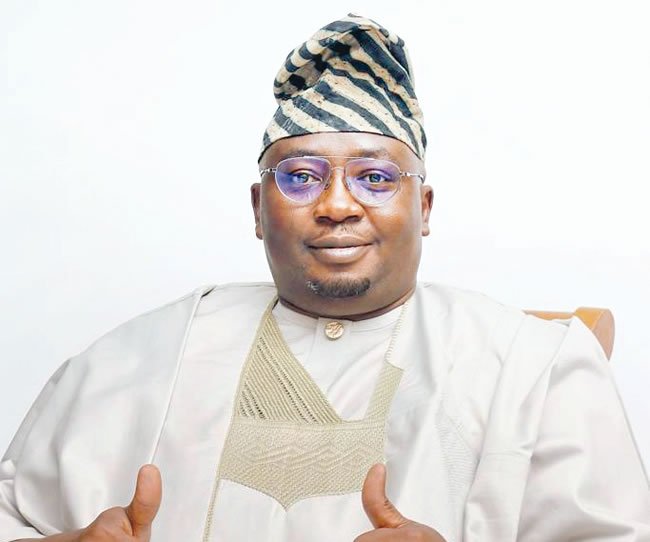
Adelabu made this declaration at a meeting with the Chairmen of Nigeria’s Generating Companies (Gencos) in Abuja, where he also highlighted the government’s commitment to providing targeted subsidies for economically disadvantaged Nigerians. “Citizens must pay the appropriate price for the energy consumed. The Federal Government will continue to provide targeted subsidies for economically disadvantaged Nigerians,” Adelabu said.
The move is aimed at addressing the N4 trillion debt owed to Gencos, which has been hindering power generation in the country. Adelabu outlined a plan to settle the debt using a combination of cash payments and financial instruments like promissory notes. “There is a need to pay a substantial amount of the debt in cash. At the minimum, let us pay a substantial amount, then ask for a debt instrument in promissory notes to pay the rest,” he explained.

According to the Nigerian Electricity Regulatory Commission (NERC), the average real tariff stands at N116.18 per kilowatt-hour, while consumers are currently charged N88.2 per kilowatt-hour. The subsidy cost per kilowatt-hour is represented by the gap between the real tariff and the average collection, which amounted to N27.97 kWh in February. All NESI customers, except for the 15% classified as Band A, benefit from a subsidy.
The government’s decision to remove electricity subsidies has sparked concerns about the impact on Nigerians already grappling with rising living costs. Adelabu, however, assured that the government is committed to resolving the debt crisis and stabilizing the sector. “We recognise the urgency of this matter. The government is committed to resolving this debt to stabilise the sector and prevent further crisis,” he said.
General News
ECOWAS Unveils Regional Plan to Protect Food Security Amid Global Pressures
The Economic Community of West African States (ECOWAS) has introduced an urgent, coordinated strategy to safeguard food security across West Africa and the Sahel, as global economic disruptions and rising oil prices continue to threaten agricultural production.
The decision followed an extraordinary virtual meeting of ECOWAS Ministers of Agriculture held on March 23, 2026, where regional leaders assessed the growing risks to food systems.
The high-level meeting, convened by the ECOWAS Commission through its Department of Economic Affairs and Agriculture under Commissioner Kalilou Sylla, brought together key regional institutions, development partners, and financial stakeholders.
Participants—including representatives from the West African Economic and Monetary Union and the Permanent Inter-State Committee for Drought Control in the Sahel—reviewed the impact of rising fertiliser costs, driven by global market volatility and increasing energy prices, on agricultural productivity across the region.
Deliberations resulted in the adoption of a medium- to long-term operational framework aimed at strengthening food sovereignty and building resilience within regional food systems.
Key measures outlined in the plan include the immediate establishment of regional agreements to secure strategic fertiliser supplies, as well as the creation of emergency reserves to cushion the effects of future price shocks.
The ministers also approved the introduction of liquidity swap mechanisms through central banks to address foreign exchange constraints faced by importers—an intervention expected to improve access to critical agricultural inputs.
“Our collective response underscores the urgency of safeguarding food security in the face of external shocks,” Sylla said, noting that enhanced regional coordination and targeted interventions would help sustain agricultural production and protect vulnerable populations.
The initiative highlights ECOWAS’ commitment to deepening regional cooperation and implementing sustainable solutions to emerging threats to food security across West Africa and the Sahel.
General News
Akpabio, Abbas Pay Sallah Homage to Tinubu in Lagos
President of the Senate, Godswill Akpabio, and Speaker of the House of Representatives, Tajudeen Abbas, on Monday paid a Sallah homage to President Bola Ahmed Tinubu in Lagos.
The visit formed part of activities marking the Sallah celebrations, as top government officials and political leaders paid courtesy calls to the President.
During the meeting, President Tinubu also received members of the Lagos State Governor’s Advisory Council, a key political body in Lagos State.

Lagos State Governor’s Advisory Council
The engagements provided an opportunity for discussions on national issues and strengthened ties between the executive and legislative arms of government.
The Sallah homage is a long-standing tradition in Nigeria, where political leaders and stakeholders visit the President and other top officials during major Islamic festivities.
General News
Deeply Troubling’ – Obi Reacts to Reported Detention of Islamic Scholar
Former presidential candidate Peter Obi has expressed concern over the reported arrest of a Kaduna-based Islamic cleric, Sheikh Ahmad Tijjani Umar, describing the development as a threat to Nigeria’s democratic principles.
In a statement issued on Monday, Obi said he was informed that the cleric was arrested by authorities shortly after hosting him in Kaduna on Sunday. He described the situation as “deeply troubling,” warning that it reflects a growing pattern of intimidation and suppression of dissenting voices in the country.
Obi noted that such actions, if confirmed, undermine fundamental rights, including freedom of speech and movement, which he said are essential pillars of any democratic society.
He further stressed that harassment or persecution of citizens based on perceived political affiliations must not be tolerated, urging the government to uphold the rule of law in its dealings with Nigerians.
“This country must defend freedom and free speech, which are the hallmarks of every democratic society,” Obi stated, adding that suppression and intimidation of dissent have no place in a functioning democracy.
The former Anambra State governor called on authorities and all relevant actors to refrain from actions capable of weakening the nation’s already fragile democratic system.
As of the time of filing this report, there has been no official confirmation from security agencies regarding the alleged arrest.