General News
Nigeria Advocates Health Security Sovereignty at AU Summit

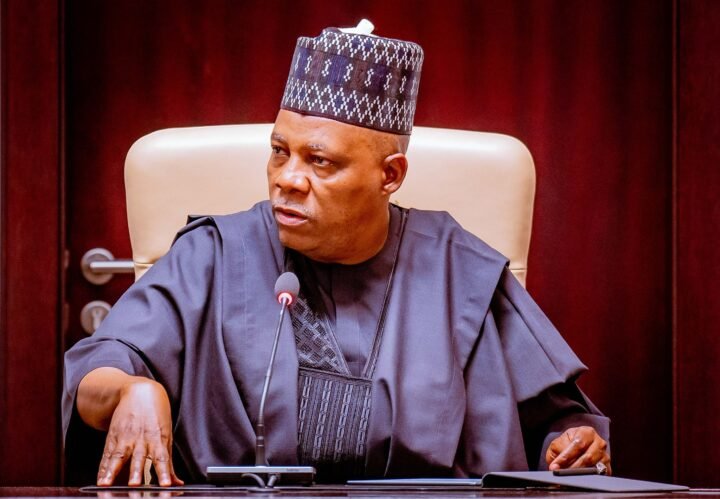
Nigeria has called for a continental transition toward health security sovereignty in Africa, urging nations to reduce dependence on foreign aid and build resilient, self-sufficient health systems across the continent.
Vice President Kashim Shettima made the call on Friday while speaking at a high-level side event titled “Building Africa’s Health Security Sovereignty,” held on the sidelines of the 39th Ordinary Session of the Assembly of Heads of State and Government of the African Union in Addis Ababa.
The initiative, a collaboration between Nigeria and the Africa Centres for Disease Control and Prevention, is aimed at mobilising investments in health workforce development, community health systems and sustainable immunisation programmes.
Representing President Bola Tinubu at the summit, the Vice President said Africa must ensure that the health of its citizens is no longer vulnerable to disruptions in global supply chains or shifting international priorities. He stressed that Nigeria is prepared to work with other African countries to build a continent capable of responding independently to health emergencies.
Reflecting on lessons from the COVID-19 pandemic, Shettima noted that Africa had to wait and negotiate for limited vaccines and oxygen supplies when wealthier nations prioritised their own populations. He warned that endurance alone is not a strategy, insisting that leadership should be measured by deliberate efforts to reduce vulnerability.
He outlined Nigeria’s ongoing reforms in the health sector, including efforts to boost domestic pharmaceutical production, expand health financing and strengthen regulation. He cited programmes such as the Nigeria Health Sector Renewal Investment Initiative and the Presidential Initiative to Unlock the Healthcare Value Chain, which he said secured over $2.2 billion in commitments and aims to revitalise more than 17,000 primary healthcare centres, train 120,000 frontline workers and widen insurance coverage.
According to him, Nigeria is also strengthening epidemic intelligence, expanding laboratory networks and improving emergency coordination through the Nigeria Centre for Disease Control and Prevention, while tightening oversight against substandard medicines under the National Agency for Food and Drug Administration and Control.
The Coordinating Minister of Health and Social Welfare, Muhammad Ali Pate, commended continental partners for supporting efforts to build resilient health systems, noting that Nigeria is prioritising workforce development and data systems to bridge rural-urban disparities in healthcare access.
Director-General of the Africa CDC, Jean Kaseya, highlighted persistent shortages of skilled health workers across Africa and called for coordinated investments to address fragmented funding and fragile community health structures. He praised Nigeria’s leadership in strengthening immunisation and resilience programmes.
Health ministers including Ibrahim Sy of Senegal and Mekdes Daba of Ethiopia expressed support for the initiative, pledging to align national policies with continental efforts to strengthen workforce databases and community-level health systems.
Representatives of organisations such as UNICEF and Gavi also delivered goodwill messages backing the programme.
In a communiqué presented by Prof. Pate at the end of the forum, African ministers of health and finance urged governments to increase sustained investment in human resources for health and community systems, accelerate progress toward the target of two million community health workers by 2030, and prioritise workforce development as a cornerstone of primary healthcare, universal health coverage and pandemic preparedness.