General News
FEDERAL GOVERNMENT LAUNCHES NEW INITIATIVE TO TACKLE CHILDHOOD HEARING LOSS ON WORLD HEARING DAY

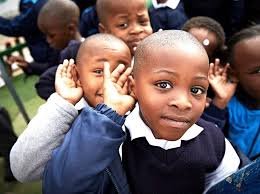
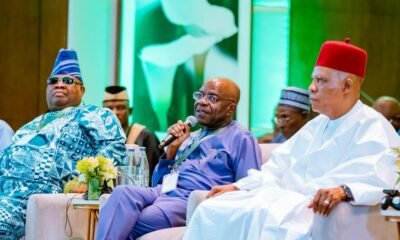
In many Nigerian classrooms, a child struggling to hear may be silently slipping behind, not because they lack intelligence, but because no one detected the problem early enough. On World Hearing Day 2026, the Federal Government took a bold step to change that narrative. Commemorating the global initiative spearheaded by the World Health Organization, the Federal Ministry of Health and Social Welfare marked the day in Abuja with a renewed commitment to tackling childhood hearing loss across the country.
This year’s theme, “From Communities to Classrooms: Hearing Care for Every Child,” underscores the urgency of linking grassroots awareness with school-based health interventions to ensure that no Nigerian child is left behind. According to the Minister of State for Health and Social Welfare, Dr Iziaq Adekunle Salako, preventable factors such as untreated ear infections, excessive noise exposure, maternal infections during pregnancy and limited early screening services continue to fuel hearing impairment among Nigerian children.
Citing global data, the Minister noted that over 34 million children worldwide live with disabling hearing loss, with a significant number in low- and middle-income countries like Nigeria. He stressed that up to 60 per cent of childhood hearing loss is preventable through timely vaccination, early detection and proper ear care.
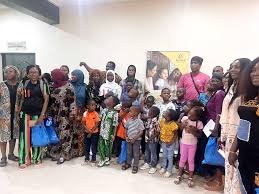
In a major policy shift, Dr Salako announced the expansion of the National Eye Health Programme. It will now operate as the National Eye, Ear and Sensory Health Functions Programme, broadening its mandate to coordinate ear, hearing and other sensory health services nationwide. Eye Health Desk Officers across all 36 states and the Federal Capital Territory have also had their responsibilities expanded to cover hearing health. The Ministry is currently developing governance structures, policies and national guidelines to fully integrate sensory healthcare into Nigeria’s health system.
Beyond policy, the government is pushing for practical action. Plans are underway to scale up newborn hearing screening, introduce routine hearing checks in primary schools, train teachers to detect early warning signs and promote inclusive, hearing-friendly classrooms. Dr Salako called on parents, educators, healthcare providers, civil society groups, development partners and the media to join the campaign, emphasizing that simple measures, protecting children from excessive noise, ensuring timely vaccinations and seeking prompt medical attention, can prevent most cases of childhood hearing loss. The Federal Government, he assured, envisions a Nigeria where every child can hear clearly, from the sounds of their communities to the lessons in their classrooms.