Government
Tinubu Launches Taskforce to Overhaul Nigeria’s Petroleum Sector

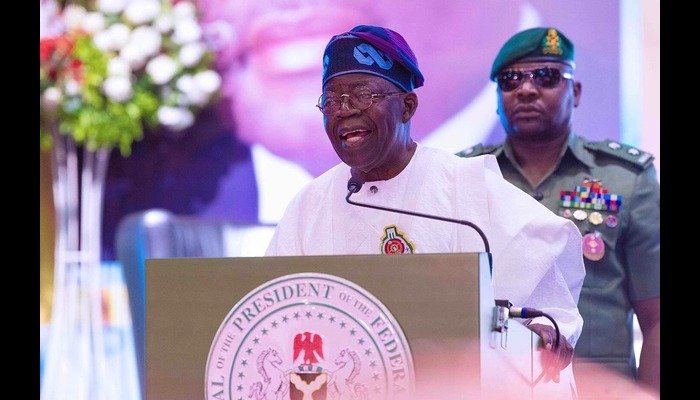
President Bola Ahmed Tinubu has approved the formation of a Presidential Petroleum Reform & Value Optimisation Taskforce to spearhead the next phase of structural reforms in Nigeria’s petroleum industry.
The Taskforce, chaired by Mr Fola Adeola, co-founder of Guaranty Trust Bank and founder of the Fate Foundation, is mandated to produce actionable reform blueprints aimed at consolidating ongoing initiatives, unlocking capital, and positioning Nigeria as a global energy investment hub.
Other members include Ademola Adeyemi-Bero, Osagie Okunbor, Abubakar Suleiman, Adaeze Aguele, Farouk Gumel, Phillipa Osakwe-Okoye, and Seyi Bella, with Mofoluwasho Fadayomi serving as secretary.
According to the President’s Special Adviser on Information & Strategy, Bayo Onanuga, the Taskforce will operate as a technical reform body, consulting industry operators, regulators, investors, and civil society, with a focus on designing and implementing effective policies rather than representing stakeholder interests.
The group is expected to report directly to the President, submitting monthly progress updates, an interim report after three months, and a final blueprint within six months.
President Tinubu has outlined three key deliverables for the Taskforce:
Implementation Toolkit for Immediate Structural Fixes – draft legislative amendments, executive instruments, and institutional restructuring proposals.
Capital & Liquidity Acceleration Blueprint – a strategy to unlock $5–10 billion in sectoral liquidity while safeguarding Nigeria’s sovereign interests.
National Energy Transformation Strategy – a ten-year roadmap with targets for production, GDP contribution, foreign exchange earnings, and cost competitiveness.
The President has directed all Ministries, Departments, Agencies, regulators, and relevant institutions to provide technical support and align their existing initiatives with the Taskforce’s mandate. Existing committees and working groups in the sector are also expected to coordinate with the Taskforce to prevent duplication and ensure cohesive reform implementation.
The creation of the Taskforce is seen as a strategic move to accelerate petroleum sector reforms, optimise national energy assets, strengthen governance, and transform Nigeria’s oil and gas industry into a long-term driver of economic growth.
The Taskforce will automatically dissolve once its final report is submitted and approved.