
International
Unstoppable’ Mushroom Threatens Forest Biodiversity in North America

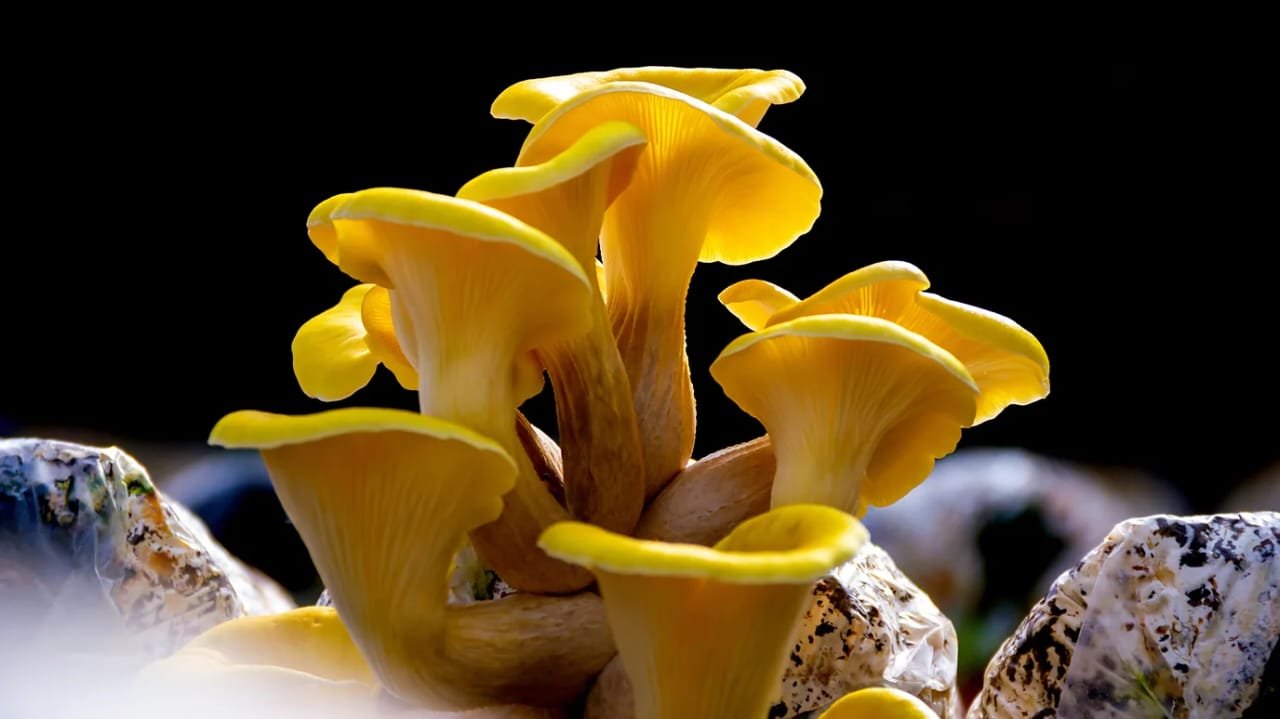
An invasive species of mushroom is rapidly spreading across forests in North America, alarming scientists and prompting fungi enthusiasts to step in with mitigation efforts.
The species, known as the golden oyster mushroom (Pleurotus citrinopileatus), is native to Asia but has in recent years established itself widely across parts of the United States and beyond. Researchers say its rapid expansion is disrupting local ecosystems by outcompeting native fungi.
Studies show that trees colonized by the mushroom can experience a significant drop in fungal diversity, sometimes hosting only about half the number of native fungal species compared to unaffected trees.
This shift could have broader ecological consequences, as fungi play a critical role in breaking down organic matter, recycling nutrients, and supporting forest health.
Scientists warn that the mushroom’s aggressive growth may alter how wood decomposes in forests and could even impact carbon cycling, raising concerns about long-term environmental effects.
The spread has been partly linked to human activity, particularly the popularity of home mushroom-growing kits. Spores released into the environment may have allowed the species to escape cultivation and establish itself in the wild.
Despite its ecological risks, the golden oyster mushroom is edible and widely appreciated for its taste, complicating efforts to control its spread. Experts say that simply harvesting or eating the mushroom is not an effective solution, as its main network; the mycelium remains embedded in wood and soil.
In response, fungi enthusiasts and conservationists are promoting awareness campaigns, encouraging responsible cultivation practices, and advocating for the protection and propagation of native fungal species. However, researchers admit that there are currently no reliable methods to fully contain or eliminate the invasive mushroom once it becomes established.
The situation highlights a growing recognition that fungi, like plants and animals, can become invasive and significantly alter ecosystems, an issue scientists say has been largely overlooked until now.