
International
Chilean Researchers Name Rare Parasitic Wasp After Sir David Attenborough

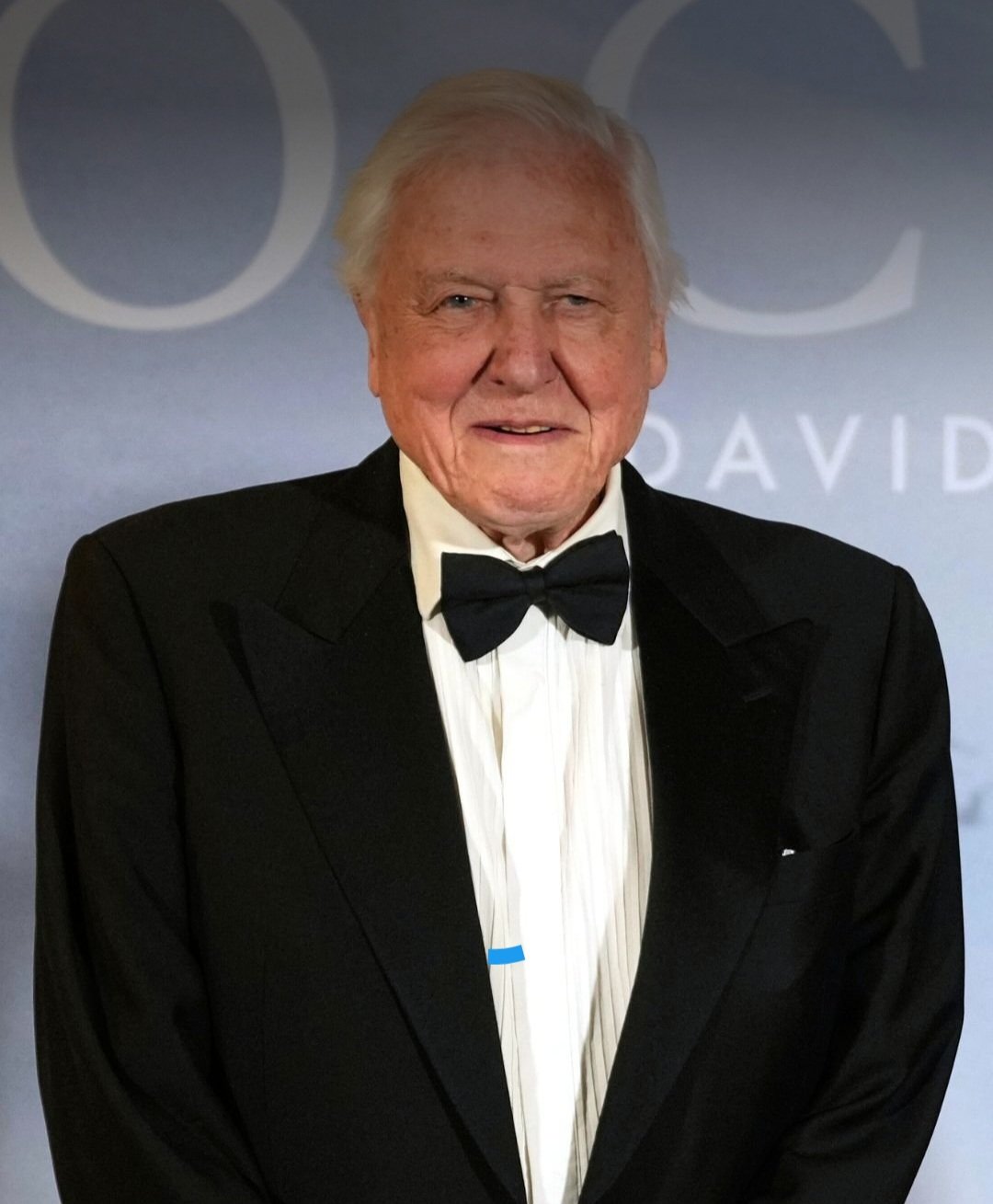
Scientists in Chile have named a newly discovered parasitic wasp species after veteran British naturalist and broadcaster Sir David Attenborough as tributes pour in ahead of his 100th birthday celebrations.
The insect, discovered in Chile’s native forests, was officially named in recognition of Attenborough’s decades-long contribution to wildlife education, environmental awareness and global conservation efforts. Researchers said the naming honors his role in inspiring generations of scientists and nature enthusiasts around the world.
The tiny parasitic wasp belongs to a group of insects known for laying their eggs inside or on other insects, eventually using the host for nourishment during development. While the species is small and largely harmless to humans, scientists described it as ecologically important because parasitic wasps help regulate insect populations and maintain ecosystem balance.
Researchers involved in the discovery said Attenborough’s documentaries and environmental advocacy have significantly influenced scientific curiosity and public appreciation for biodiversity. They noted that naming species after respected naturalists is a long-standing tradition in science aimed at recognizing major contributions to the understanding of nature.
The tribute comes as institutions, conservation groups and media organizations across the world prepare to celebrate Attenborough’s centenary. Over a career spanning more than seven decades, the broadcaster has become one of the world’s most recognizable voices in natural history through acclaimed documentaries including Planet Earth, Blue Planet and Frozen Planet. His work has also increasingly focused on climate change, habitat destruction and the urgent need to protect biodiversity.
Environmental groups praised the gesture, saying Attenborough’s storytelling transformed public engagement with science and conservation by bringing remote ecosystems and endangered species into millions of homes globally. Many described him as one of the most influential environmental communicators of modern times.