Featured
Nigeria Needs a True Political Party: A Defining Moment for Labour and the Rise of a New Order

By Francis Onabis
After a careful and honest assessment of Nigeria’s political landscape, one truth stands out with uncomfortable clarity: the major political parties no longer represent the Nigerian people but a narrow, entrenched elite.

The All Progressives Congress (APC), under the leadership of Bola Ahmed Tinubu, has firmly established itself as the dominant political force in the country. While political dominance is not inherently undemocratic, the growing reality suggests something more troubling: a steady drift toward a de facto one-party state. Power is becoming increasingly centralized, and the space for dissent, both within the party and across the broader political system, continues to shrink.
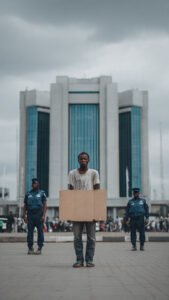
Yet the deeper crisis is not APC’s strength. It is the weakness of alternatives.
The Peoples Democratic Party (PDP), once the primary counterweight in Nigeria’s democracy, now struggles under the burden of internal divisions and conflicting ambitions. The outsized influence of figures like Nyesom Wike and the party’s inability to maintain cohesion have eroded public confidence. A party that cannot manage itself cannot credibly promise to manage a nation.
The African Democratic Congress (ADC), on the other hand, increasingly appears to be a refuge for politically displaced actors rather than a movement anchored in ideology. A platform built on convenience rather than conviction will always struggle to inspire trust or loyalty among the people.
Now, a new entrant—the National Democratic Congress (NDC)—is beginning to reshape the conversation. Its emergence signals a growing hunger among Nigerians for a fresh political identity. But whether it evolves into a genuine people-driven movement or becomes yet another vessel for recycled ambitions remains to be seen. Nigeria has seen “new parties” before; what it has rarely seen is a new political culture.
Amid this shifting terrain, the Labour Party stands at a historic crossroads.
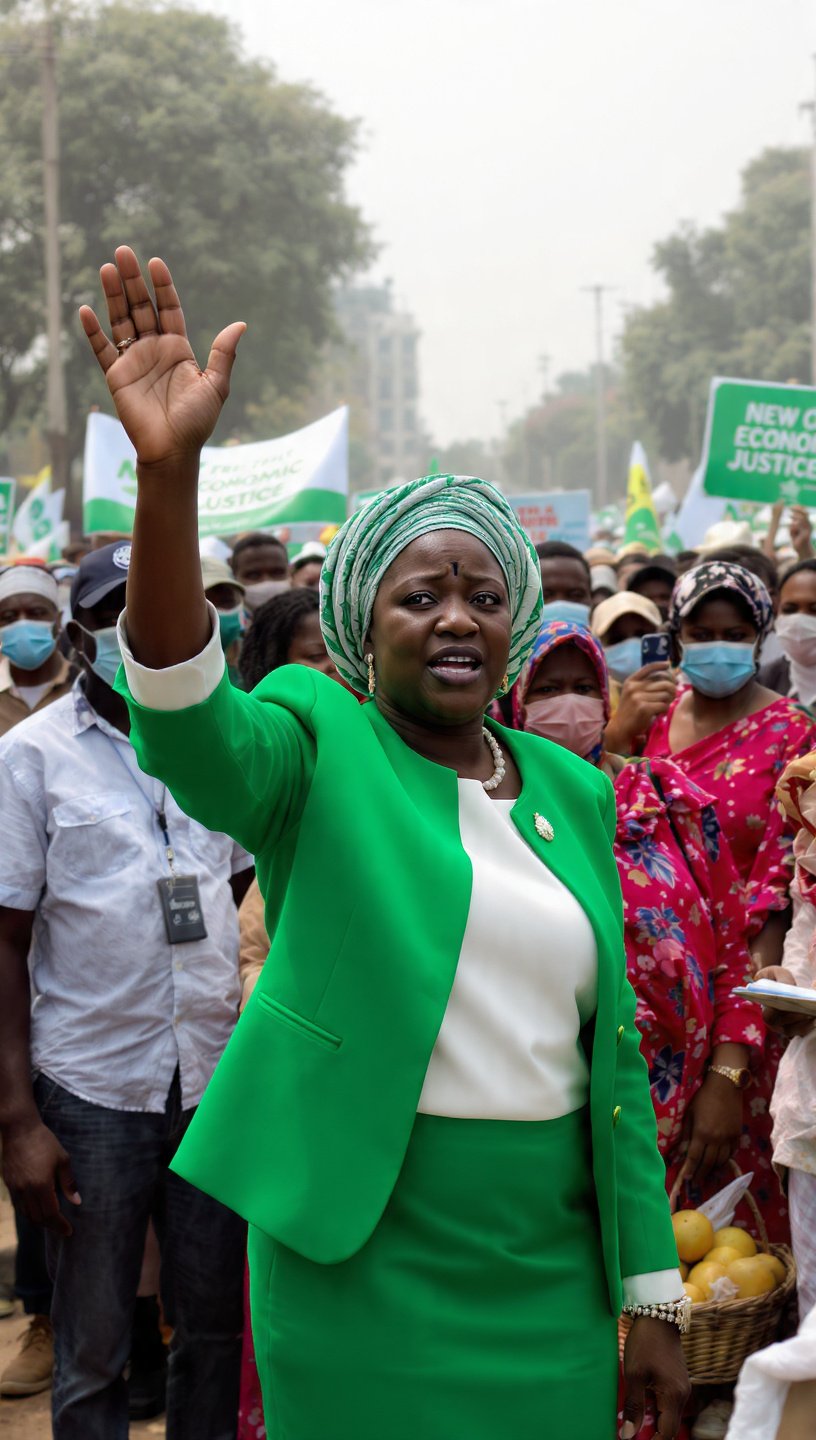
Recent developments within the party have introduced a powerful symbol of change. The emergence of Nenadi Usman as the National Chair marks a defining moment—not only for the Labour Party but for Nigerian politics as a whole. As the first woman to hold such a position in any major political party in Nigeria, her leadership represents both a break from tradition and an opportunity to reset the party’s direction.
But symbolism alone will not save Labour.
If the party is to rise to the moment, it must go beyond personalities and reclaim its ideological foundation. It must become, in both word and action, the true party of the people—the farmers, artisans, traders, young professionals, and millions of Nigerians whose daily labor sustains the nation.
Labour must resist the all-too-familiar temptation of becoming a sanctuary for opportunistic politicians seeking relevance. It must avoid the fate of older parties that traded their principles for power and lost both in the process.
Instead, it must stand firmly on a clear and uncompromising vision: economic justice, social equity, institutional accountability, and people-centered governance.
This vision must not live only in manifestos—it must be visible in structure. Labour must build a formidable grassroots presence across Nigeria, engaging consistently with the lived realities of its citizens—not just during elections, but in the everyday struggles of hunger, unemployment, insecurity, and inequality.
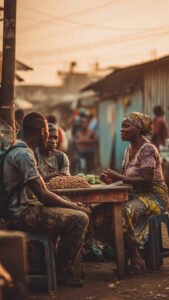
Nigeria does not simply need another political party. It needs a true political party—one rooted in the people, accountable to the people, and disciplined enough to resist the corrosive pull of power without purpose.
Labour Party now has both the opportunity and the test of history before it. The rise of new political actors like the NDC and the historic leadership of Nenadi Usman have created a rare opening to redefine opposition politics in Nigeria.
But history is unforgiving.
The choice before Labour is stark: transform into a principled, people-driven movement capable of reshaping Nigeria’s future—or fade into irrelevance as just another missed opportunity in the nation’s long and troubled democratic journey.
The future of Nigeria may well depend on what happens next.

Francis Onabis is an Italy-based Nigerian businessman, politician, and public affairs commentator.