Africa
African Nations Issue Safety Warnings to Citizens as Xenophobic Violence Spreads in South Africa

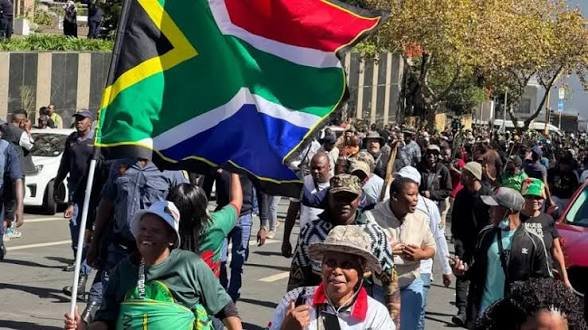
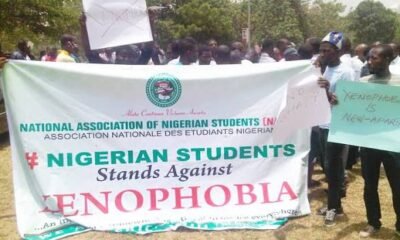
Several African countries, including Kenya, Malawi, Lesotho, Zimbabwe, and Ghana, have issued urgent safety advisories to their citizens living in South Africa following a resurgence of violent attacks targeting foreign nationals. The wave of anti-immigrant protests, which have spread across major cities including Johannesburg, Pretoria, Durban, and Cape Town, has prompted governments to urge their nationals to remain indoors and avoid high-risk areas as vigilante groups demand the expulsion of all foreigners from the country.
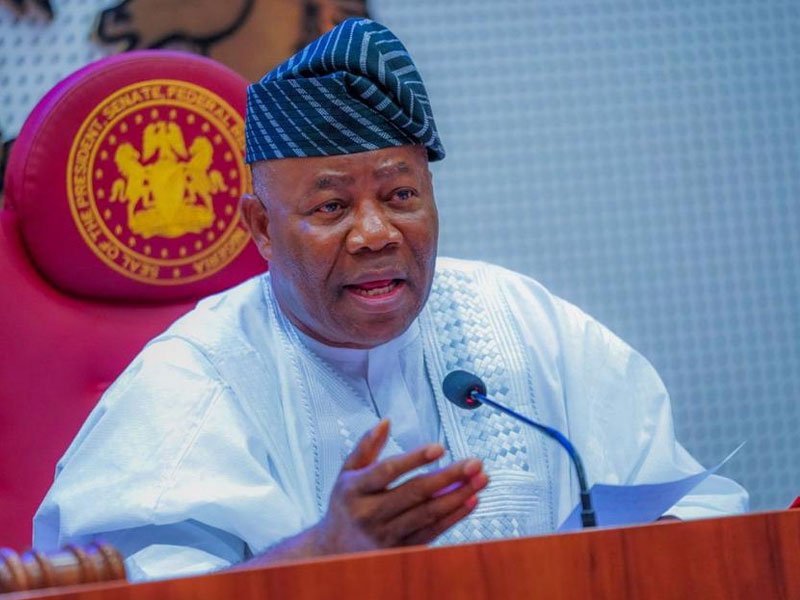
The warnings come amid escalating tensions fueled by protests against undocumented immigration, with some groups specifically targeting black African nationals. Nigeria has taken the most aggressive stance, with the House of Representatives condemning the attacks and recommending a temporary suspension of business permits for South African companies operating in Nigeria. The Nigerian Senate has resolved to send a high-level delegation led by Senate President Godswill Akpabio to address the crisis, while the Federal Government confirmed that at least 130 Nigerians have registered for voluntary evacuation following the deaths of two Nigerian citizens.
In a formal diplomatic escalation, Ghana has petitioned the African Union to place the recurring xenophobic violence on the agenda of the upcoming Eighth Mid-Year Coordination Meeting scheduled for June 24 to 27, 2026, in El Alamein, Egypt. The letter, signed by Ghana’s Foreign Affairs Minister Samuel Okudzeto Ablakwa, described the attacks as a matter of urgent continental interest requiring collective African action. “The Government of Ghana remains deeply concerned by the recurrence of xenophobic incidents in the Republic of South Africa,” the letter stated, arguing that targeting fellow Africans undermines the principles of African solidarity, brotherhood, and continental unity.

Ghana also facilitated the emergency return of Emmanuel Asamoah, a citizen who was seen being harassed in a viral social media video. In the footage, a crowd of people demanded to see his legal documents, with one woman heard saying, “We don’t want you here” and telling him to “fix his country.” Harold Agyeman, Coordinating Director at Ghana’s Ministry of Foreign Affairs, confirmed the evacuation, stating, “Under the instructions of the minister, Emmanuel Asamoah has been relocated to Ghana to ensure that he is in a safe space,” adding that “the government is very much conscious and strongly committed to protecting our nationals abroad”.
The Zimbabwean Consulate has similarly issued precautions after confirming that its offices in Johannesburg and Cape Town had received disturbing reports of demonstrations targeting foreign nationals. “These reports pose a serious risk to the safety and wellbeing of Zimbabweans residing in South Africa,” the consulate stated. Zimbabwean nationals have been advised to remain vigilant, avoid areas where demonstrations are taking place, stay indoors, limit unplanned movements, and keep essential documents with them at all times. According to South Africa’s 2022 Census, approximately 1.1 million Zimbabweans live in South Africa, representing 45 percent of the foreign-born population.
Malawi’s Ministry of Foreign Affairs spokesperson, Charles Nkhalamba, confirmed that embassy offices in Johannesburg and Pretoria have been receiving reports from affected Malawians. “Malawi and South Africa have had a long-standing relationship, and through this relationship we discuss various issues including matters like these,” Nkhalamba said, advising Malawians to follow safety guidelines and report to embassies if affected.
Nigeria’s Minister of Foreign Affairs, Bianca Odumegwu-Ojukwu, has raised concerns about the specific nature of the unrest, arguing that the violence appears to target black Africans rather than foreigners in general. “What is worrisome to our citizens both in Nigeria and those resident in South Africa is that the demand that all foreigners leave South Africa appears to be targeted only towards black Africans, which makes one wonder whether what is happening should not be more accurately defined as ‘Afriphobia’ rather than xenophobia,” she stated.
The South African government has condemned the violence while also acknowledging citizens’ frustrations over illegal immigration. Minister in the Presidency Khumbudzo Ntshavheni addressed the media following a recent cabinet meeting, stating that “the fake videos and images are not only fake, but they are intended to undermine the good reputation of South Africa internationally and undermine the country’s pursuit of a better Africa agenda.” A cabinet statement further noted that “South Africans are within their right to protest against the spiralling illegal immigration challenge, but violence linked to those protests is not acceptable and law enforcement must deal with the instigators of such violence”.
President Bola Tinubu has directed Nigerian missions in South Africa to establish a crisis notification unit to support affected citizens. Odumegwu-Ojukwu confirmed the directive following talks with her South African counterpart Ronald Lamola, emphasizing that “the evacuation of our citizens who want to return home remains our government’s priority at this time”. Mozambique’s President Daniel Chapo met South Africa’s President Cyril Ramaphosa on Tuesday and called for calm, while Ghana has established a 24-hour consular hotline in South Africa to ensure the immediate safety of its citizens.
Migrant rights groups argue that foreign nationals are being scapegoated for South Africa’s economic problems, particularly high unemployment which hovers at over 30 percent and disproportionately affects the black population. Vigilante groups including Operation Dudula have led campaigns against undocumented migrants, at times blocking them from accessing public health facilities. South Africa’s immigrant population has seen a steady rise over the past few decades, increasing from 2 percent of the total population in 1996 to 4 percent in 2022, according to Stats SA.
The African Union has consistently condemned xenophobia and violence against migrants, describing such acts as contrary to the vision of African unity and integration. Ghana’s petition to the AU calls for strengthening monitoring mechanisms, establishing a fact-finding mission to investigate the root causes of the violence, and initiating dialogue and reconciliation efforts aimed at promoting tolerance and inclusion across the continent.