
International
Federal crime enforcement in Minneapolis weakens despite Trump’s pledge

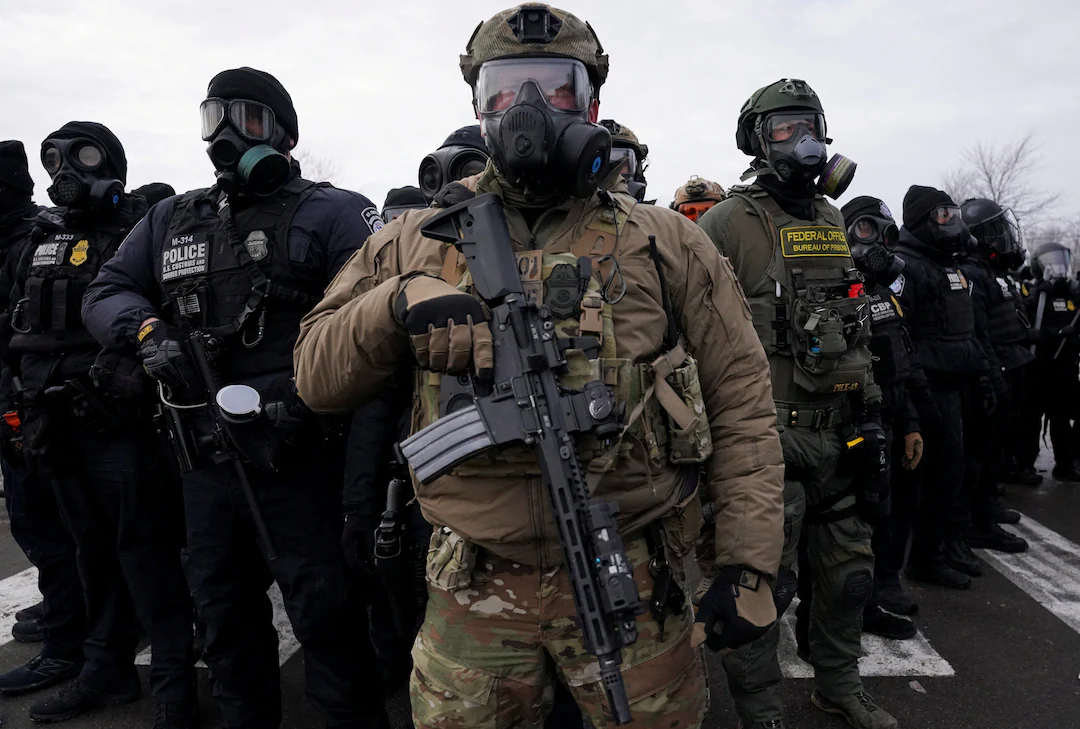
A federal crime crackdown in Minneapolis under the Trump administration has coincided with a significant drop in prosecutions for gun, drug, and other serious offenses, according to federal court records and multiple law enforcement accounts.
While President Donald Trump has repeatedly vowed to “restore law and order” in Minneapolis and credited federal enforcement operations with reducing crime, official data reviewed by Reuters indicates that prosecutions have instead fallen sharply in recent months.
Between January and April this year, federal prosecutors charged just eight people in gun and drug-related cases, compared to 77 during the same period last year. Overall felony prosecutions dropped by roughly half, falling to about 90 cases, according to court records.
The decline comes amid a sweeping immigration enforcement surge in Minnesota, where thousands of federal agents were deployed under “Operation Metro Surge.” The operation shifted significant resources toward immigration-related arrests, with some prosecutors and agents reassigned away from traditional criminal investigations.
Reports also indicate that staffing shortages worsened the situation, with several senior federal prosecutors leaving their posts and some ongoing investigations being handed over to state authorities due to limited federal capacity.
Despite the drop in prosecutions, the Trump administration has maintained that its approach has improved public safety, pointing to broader declines in some crime categories. However, critics argue that the focus on immigration enforcement has weakened the federal government’s ability to pursue violent offenders, drug traffickers, and fraud cases effectively.
Local officials in Minneapolis have expressed concern over the strain on the justice system, warning that reduced federal involvement in complex crime cases could shift more pressure onto already stretched state law enforcement agencies.
As the situation develops, questions remain over whether the crime-fighting strategy is achieving its intended outcomes or unintentionally disrupting core prosecutorial functions.