
Tech news
Alibaba Joins Race to Build AI Agents Capable of Real-World Tasks

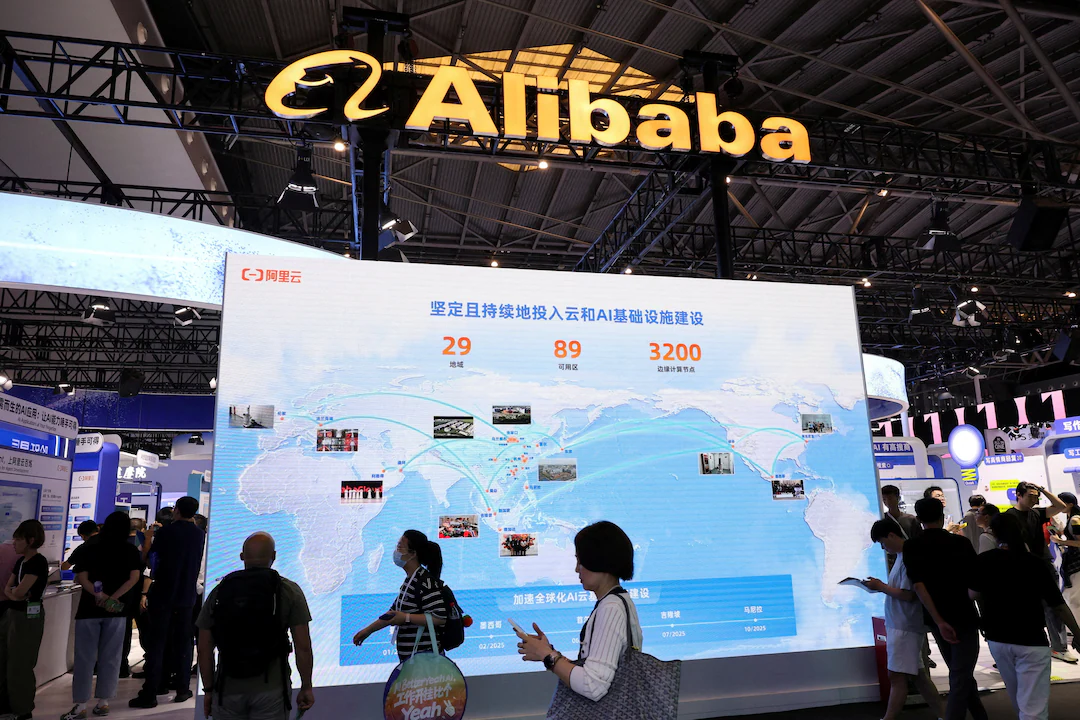
Chinese technology giant Alibaba Group has unveiled a new suite of artificial intelligence models designed for robots, marking its latest push into the rapidly evolving field of AI agents and embodied intelligence.
The company announced that the new models are intended to help robots understand, reason, and interact more effectively with the physical world. The move reflects a growing shift across the technology industry from traditional chatbots toward AI agents capable of performing real-world tasks autonomously. Recent advances in generative AI have accelerated efforts by major technology firms to develop systems that can move beyond conversation and take action in physical environments.
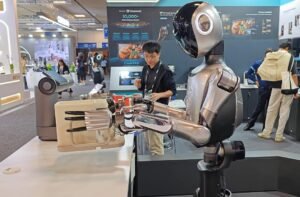
Alibaba said its robotics-focused AI models are designed to process multiple forms of data, including text, images, video, and environmental information. This would allow robots to better understand their surroundings, make decisions, and carry out complex instructions in homes, factories, warehouses, and other settings.
The company is positioning the technology as part of a broader trend toward “embodied AI” systems that combine advanced reasoning capabilities with physical actions. Industry experts believe embodied AI could become one of the next major frontiers in artificial intelligence, extending the technology’s reach beyond digital applications into everyday physical tasks.
Alibaba’s announcement comes amid intense competition among global technology companies. Firms including OpenAI, Google, NVIDIA, and several Chinese rivals have been investing heavily in AI agents and robotics platforms capable of operating with increasing levels of autonomy.
According to Alibaba, the new models aim to reduce the gap between understanding language and executing tasks in the real world. For example, a robot equipped with the system could potentially interpret spoken instructions, identify relevant objects, navigate its environment, and complete requested actions without requiring step-by-step programming.
The launch also highlights China’s growing ambitions in artificial intelligence and robotics. Chinese policymakers have identified both sectors as strategic priorities, encouraging investment and innovation to strengthen the country’s technological competitiveness.
Analysts say the transition from chatbots to AI agents could reshape industries ranging from manufacturing and logistics to healthcare and customer service. While chatbots primarily generate responses and provide information, AI agents are designed to make decisions, interact with software and hardware systems, and complete tasks on behalf of users.
Despite rapid progress, experts caution that significant challenges remain. Safety, reliability, regulatory oversight, and the ability of AI systems to operate consistently in unpredictable real-world environments continue to be major hurdles for the industry.
Nevertheless, Alibaba’s latest announcement underscores the accelerating race among global technology companies to develop the next generation of AI systems, with robotics and autonomous agents increasingly viewed as the future of artificial intelligence.