
General News
Ahead of 2027, Media and CSOs Push for Journalist Protection Pact, Electoral Transparency Reforms …as stakeholders Calls for Fact-Checking Desks

Stakeholders in Nigeria’s media and civil society sectors have called for sweeping reforms to strengthen election reporting, safeguard journalists, and improve transparency in the country’s electoral process ahead of future polls.
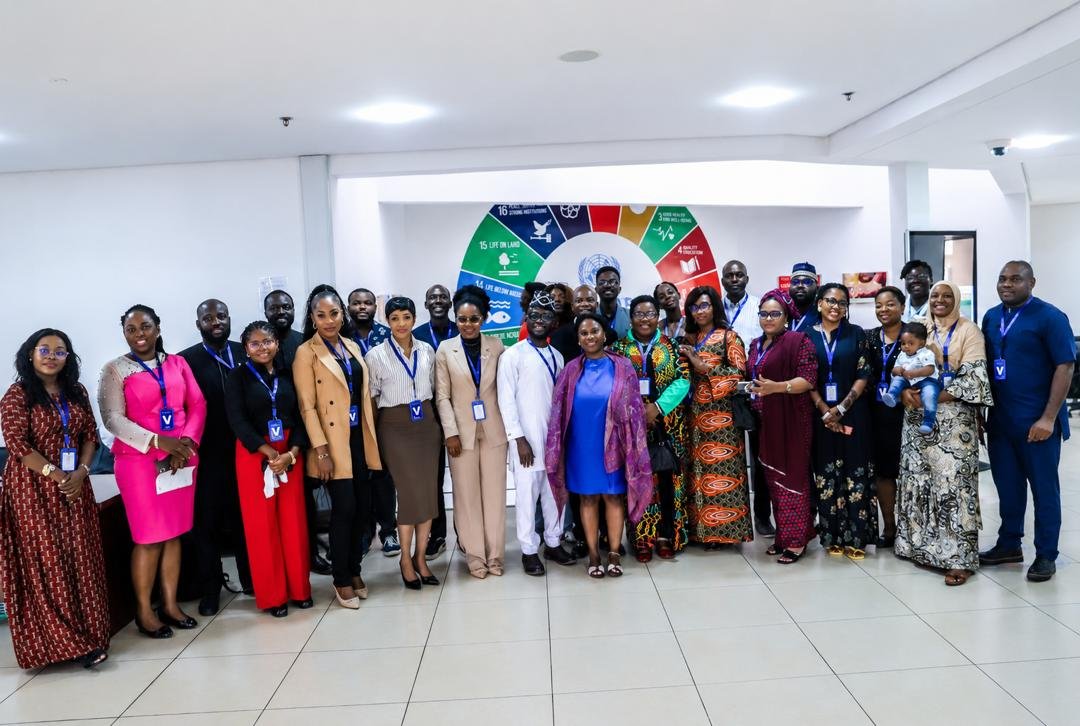
The recommendations emerged from a Media-CSO Roundtable on Building Stronger Media-CSO Partnerships for Credible, Peaceful and Inclusive Elections held Tuesday at the United Nations House in Abuja.
The forum, convened by Journalists for Human Rights (JHR) and the United Nations Office of the High Commissioner for Human Rights (OHCHR), brought together media executives, civil society organisations, election observers, broadcast professionals and communication experts to examine challenges confronting election coverage and identify practical solutions.
At the end of the meeting, participants adopted a communiqué containing far-reaching recommendations aimed at creating a safer, more transparent and better coordinated information ecosystem during elections.
A major highlight of the resolutions was the call for the establishment of a formal Security Accord involving media organisations, civil society groups, security agencies and other key stakeholders to guarantee the protection of journalists covering elections.
Participants argued that attacks, intimidation and restrictions faced by journalists during election periods undermine public access to credible information and weaken democratic accountability.
To strengthen coordination, they also recommended the creation of an Inter-Agency Consultative Security Committee with media and civil society representatives as embedded members, while advocating regular pre-election engagements involving INEC, security agencies, media organisations and CSOs.
On electoral transparency, stakeholders urged the Independent National Electoral Commission (INEC) to establish a verified central platform for disseminating timely electoral information to journalists and civil society actors.
The roundtable further called on the electoral commission to conduct mandatory mock tests of election technologies before elections and formally recognize the media as a strategic stakeholder in the electoral process.
Participants also recommended that post-election assessments should specifically document cases of journalist harassment, denial of access to polling units, collation centres and election-related information.
Recognising the need for closer cooperation between the media and civil society, the communiqué proposed the establishment of a joint information-sharing platform to facilitate the exchange of verified content, resources and data.
The participants further advocated the mapping of CSOs according to their areas of expertise to support journalists seeking credible sources and expert analysis, while encouraging civil society organisations to share information directly with media houses for wider public dissemination.
In areas where media presence is limited, stakeholders recommended deploying trained CSO field personnel as information correspondents to bridge reporting gaps.
The roundtable also addressed longstanding concerns about funding constraints affecting election coverage.
Participants proposed structured support mechanisms through civil society partnerships and transparent external funding arrangements to strengthen media capacity without compromising editorial independence.
They equally endorsed the Broadcasting Organisations of Nigeria (BON) proposal for a shared resource pool that would allow media outlets to access verified information, photographs, footage and other election-related content.
On capacity building, stakeholders called for the institutionalisation of continuous election reporting training programmes before, during and after elections.
The recommendation extends to journalism students, young communicators and digital content creators, reflecting the growing influence of online platforms in shaping public discourse.
Participants also stressed the importance of equipping journalists with skills in artificial intelligence, fact-checking and combating misinformation and disinformation.
As part of efforts to curb the spread of false information, the communiqué urged every media organisation to establish a dedicated fact-checking desk and make verification a central component of editorial decision-making throughout the electoral cycle.
The meeting further emphasized the need for robust voter education campaigns to address voter apathy, urging stronger collaboration between media organisations and civil society groups in promoting civic participation and democratic awareness.
Stakeholders also drew attention to the welfare and safety of technical personnel involved in election coverage, recommending insurance protection for journalists and media equipment before deployment.
Videographers, camera operators and other technical staff, they noted, should be fully integrated into accreditation, security planning and operational arrangements.
Significantly, the roundtable highlighted the often-overlooked issue of journalists’ mental health.
Participants called for the establishment of structured psychosocial support systems for journalists covering elections, particularly those deployed to conflict-prone and violence-affected areas.
They urged media organisations, development partners and civil society groups to provide access to trauma counselling, therapy and other mental health services for journalists exposed to violence, intimidation or traumatic experiences in the course of their duties.
The communiqué also recommended incorporating mental health awareness and trauma management into pre-deployment training and newsroom welfare policies.
Participants reaffirmed their commitment to a free, safe, well-resourced and professionally equipped media environment, describing it as essential to credible elections and democratic governance.
They subsequently called on INEC, security agencies, media regulatory bodies, media proprietors, civil society organisations and development partners to act on the recommendations and strengthen the foundations for peaceful, transparent and inclusive elections in Nigeria.