
Religion
Vatican Excommunicates Schismatic Bishops and Priests, Warns Followers Against Joining Breakaway Group

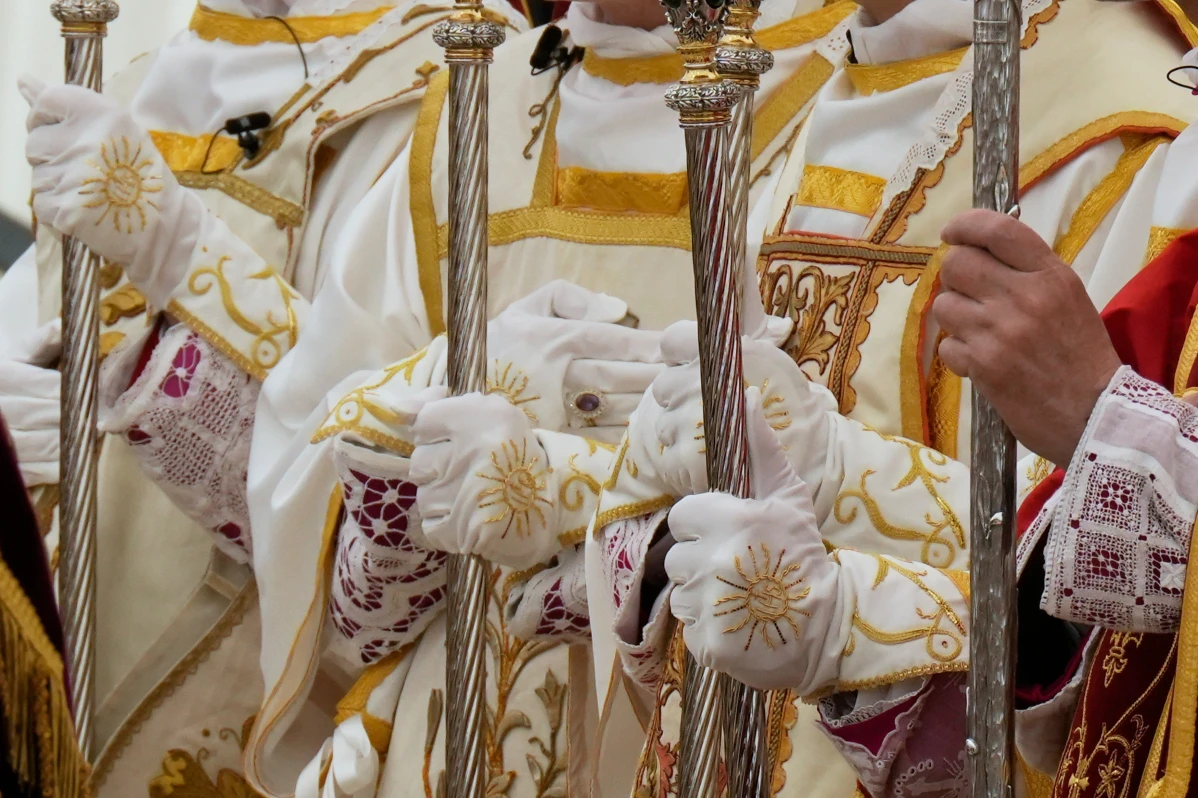
The Vatican has formally excommunicated bishops and priests belonging to the traditionalist Society of Saint Pius X (SSPX), declaring the group to be in schism with the Roman Catholic Church after it proceeded with unauthorized episcopal consecrations in Switzerland despite repeated warnings from Pope Leo XIV. The unprecedented move also warns lay Catholics that formally adhering to the group could result in automatic excommunication.
The decree, issued by the Vatican’s Dicastery for the Doctrine of the Faith and signed by Cardinal Víctor Manuel Fernández, came one day after the SSPX consecrated four new bishops at its seminary in Écône, Switzerland, without the approval of the pope. Under Catholic canon law, only the pope may authorize the consecration of bishops, and carrying out such ordinations without papal mandate is considered a grave offense that incurs automatic, or latae sententiae, excommunication.
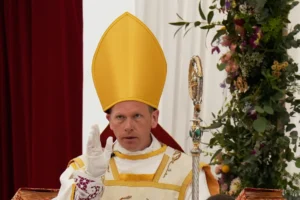
The Vatican declared that the two bishops who presided over the ceremony; Alfonso de Galarreta and Bernard Fellay, and the four newly consecrated bishops, Pascal Schreiber, Michael Goldade, Michel Poinsinet de Sivry and Marc Hanappier, had all incurred automatic excommunication for what it described as “an act of a schismatic nature.”
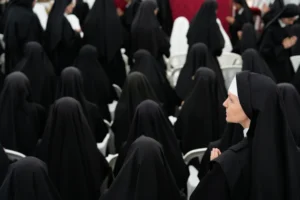
In a further escalation, the Holy See announced that SSPX priests are also regarded as separated from communion with the Catholic Church and warned that lay faithful who formally adhere to the fraternity or participate exclusively in its ecclesial life risk incurring the same canonical penalty. Vatican officials stressed that Catholics should not align themselves with the schismatic movement and urged those involved to seek reconciliation through their local bishops.
The decision follows weeks of mounting tension between Pope Leo XIV and the SSPX leadership. Before the consecrations, the pope made a personal appeal urging the society to abandon its plans, describing the proposed ordinations as a “sin of extreme gravity” that would fracture Church unity. The SSPX rejected the appeal, insisting that the new bishops were necessary to preserve traditional Catholic teaching and ministry.
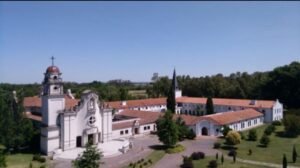
The Society of Saint Pius X was founded in 1970 by French Archbishop Marcel Lefebvre in opposition to reforms introduced by the Second Vatican Council. The group rejects several key post-conciliar changes, including the widespread celebration of Mass in local languages, expanded ecumenical dialogue with other Christian denominations and other faiths, and aspects of the Church’s modern liturgical reforms. It continues to celebrate the traditional Latin Mass and has established seminaries, schools and chapels in dozens of countries.
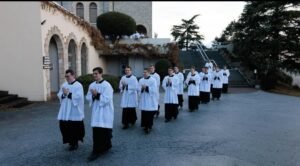
The latest rupture revives a conflict that first erupted in 1988, when Archbishop Lefebvre consecrated four bishops without papal approval, leading to excommunications imposed by Pope John Paul II. Those penalties were later lifted by Pope Benedict XVI in 2009 as part of efforts to restore communion, while Pope Francis granted limited pastoral concessions, including allowing SSPX priests to validly hear confessions and witness certain marriages under specified conditions. Despite those efforts, fundamental theological disagreements remained unresolved.
Vatican officials said the new decree effectively ends those concessions for clergy who remain within the schismatic movement. The Holy See also stated that local bishops worldwide will oversee any future reconciliation efforts for priests and lay members wishing to return to full communion with the Catholic Church.
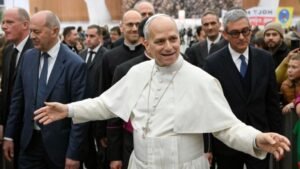
Church observers describe the decision as one of the most significant disciplinary actions taken by the Vatican in decades. While the SSPX has vowed to continue its ministry and rejects the Vatican’s interpretation of the events, the decree marks a decisive response by Pope Leo XIV to preserve ecclesial unity and reaffirm papal authority over the appointment of bishops. The development is expected to have far-reaching implications for traditionalist Catholic communities around the world.